


Plans tied to the AI-driven data center boom in Massachusetts are getting a closer look after the state froze a valuable tax incentive for the industry.
The move could help protect residents from higher utility costs while requiring developers to address energy use, water demand, and community impacts before projects can move forward.
What happened?
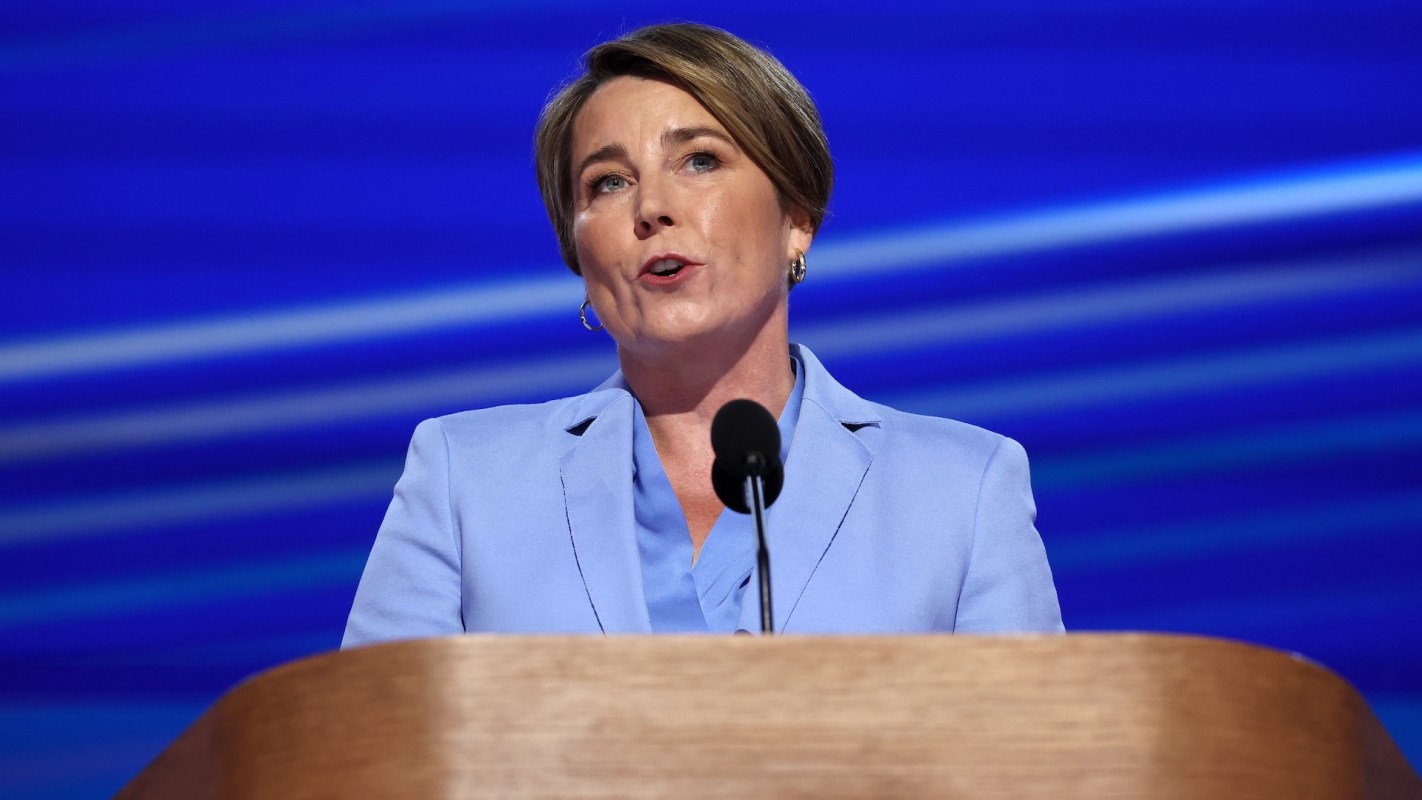
Gov. Maura Healey said Massachusetts will stop taking applications, for now, for a 20-year sales and use tax exemption available to some data centers.
The incentive was created in a 2024 economic development law, and final rules putting it into effect were issued last month, WBUR reported. State officials also said no applications have been submitted yet. The administration also released new guidance for data center projects at the same time it announced the pause, WBUR noted.
Healey said the pause will remain in place "until we have strong protections in place for our residents and communities against higher gas and electric bills."
Alongside the pause, the administration said proposals will be expected to add dedicated clean power, protect environmental and community health, avoid increasing costs for other energy users, refrain from adding environmental or social strain in designated Burdened Areas, and contribute to the local and state economy and clean energy goals.
TCD Picks » Quince Spotlight
💡These best-sellers from Quince deliver affordable, sustainable luxury for all




Why does it matter?
Data centers are becoming a much bigger issue as the artificial intelligence boom fuels demand for electricity-intensive and resource-demanding computing facilities. While these sites can support jobs and innovation, they can also place significant pressure on power grids, water supplies, and nearby communities. Data centers have also been shown to cause unsafe drinking water for communities.
One of the biggest concerns is monthly utility bills. If massive energy users connect to the grid without supplying enough clean power of their own, the cost of new infrastructure or a tighter energy supply can end up affecting households and other customers.
There are also environmental and public health concerns. Heavy electricity use can increase reliance on fossil fuel generation if clean energy is not added quickly enough, and some data centers also require large amounts of water for cooling. Healey has said those tradeoffs are especially important in communities already dealing with pollution and infrastructure burdens.
Officials are already debating how to reduce high energy costs in the state. By pausing the tax incentive, Massachusetts is trying to prevent new data center developments from making an already difficult affordability problem even worse.
What's being done?
Massachusetts is not banning data centers outright. Instead, the state is laying out conditions for how projects would need to move forward if developers want public support.
Under Healey's framework, projects would need to avoid shifting energy costs onto other customers, provide their own clean power, protect community and environmental health, and avoid worsening environmental or social burdens in Burdened Areas.
The administration said it will also use the guidance to review current regulations and permitting processes for better alignment with those goals. In some areas, it added, more legislative authority may be necessary.
"Data centers can support innovation and economic growth, but if developers want to build in Massachusetts, they need to first demonstrate that they can do so without driving up costs or harming our communities," Healey said. Earlier this month, she said in a radio interview, "You can't suck energy off the grid and hurt other ratepayers, and you can't do harm to our environment, especially when it comes to water."

Get TCD's free newsletters for easy tips, smart advice, and a chance to earn $5,000 toward home upgrades. To see more stories like this one, change your Google preferences here.






