


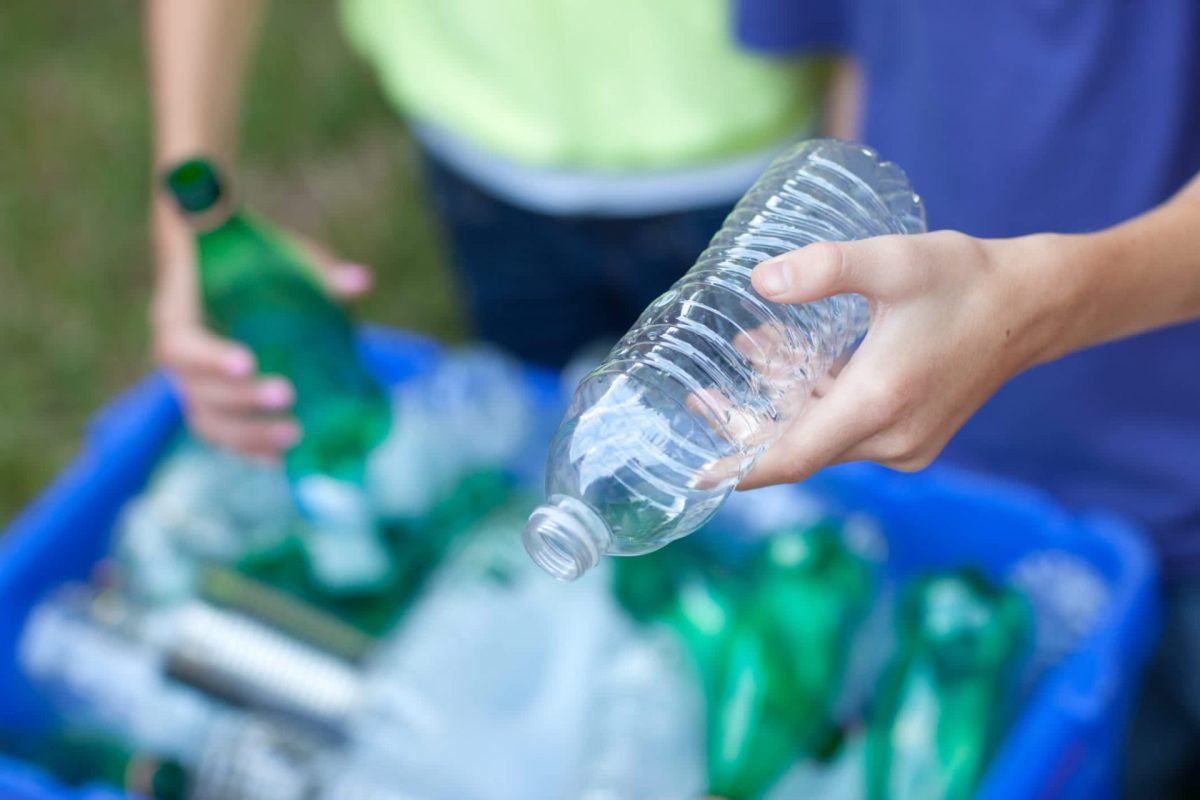
A used plastic bottle might have another life beyond the recycling bin. Researchers at Penn State say discarded plastic of that kind could eventually contribute to batteries used in EVs, phones, and renewable energy storage.
What happened?
Penn State researchers developed a way to turn waste PET plastic into synthetic graphite, a key material used in lithium-ion batteries. This research was led by author Shakshi Sekar, a doctoral student in Penn State's John and Willie Leone Family Energy and Mineral Engineering Department.
As the university reported, the material they produced had such a highly ordered crystal structure that it outperformed commercial natural graphite samples in the team's tests, suggesting it could improve battery performance.
In the process, shredded PET was heated under controlled conditions with a small amount of graphene oxide, allowing the carbon atoms to reform as highly ordered graphite. The best-performing material came from a mixture containing 2.5% graphene oxide by weight.
Graphite is considered a critical mineral by the U.S. Department of Energy, and lithium-ion batteries rely on it as the anode material. Producing that graphite from waste could point to a cleaner supply chain.
Why does it matter?
A cleaner and more scalable way to produce graphite could eventually support batteries for EVs, smartphones, laptops, and backup power systems. It could also bring safety benefits to people, such as making homes more resilient during blackouts or extreme weather.
TCD Picks » Quince Spotlight
💡These best-sellers from Quince deliver affordable, sustainable luxury for all




The method may also offer advantages for both manufacturing and the environment. According to the Penn State team, this process avoids catalyst metals such as iron, nickel, and cobalt, since these can introduce impurities. That could result in less chemical waste and a cleaner end product. If the approach can be scaled, an everyday waste stream might turn into something valuable.
Recycling could become less about downcycling low-value material and more about building next-generation energy infrastructure from what people already throw away.
What are people saying?
Sekar framed the breakthrough in practical terms: "Most people think of a plastic bottle as waste once they're done using it. Our work shows that the same material can become a valuable resource for producing graphite, which is essential for modern battery technologies."
She also described the cleaner production method, saying, "By avoiding metal catalysts, we can produce cleaner graphite while reducing chemical use and waste generation."
She added: "If waste plastic can become a feedstock for advanced energy materials, it changes how we think about recycling." This new scientific breakthrough shows how important it is to find innovative ways to turn everyday waste into valuable materials for clean energy technologies.

Get TCD's free newsletters for easy tips, smart advice, and a chance to earn $5,000 toward home upgrades. To see more stories like this one, change your Google preferences here.






