


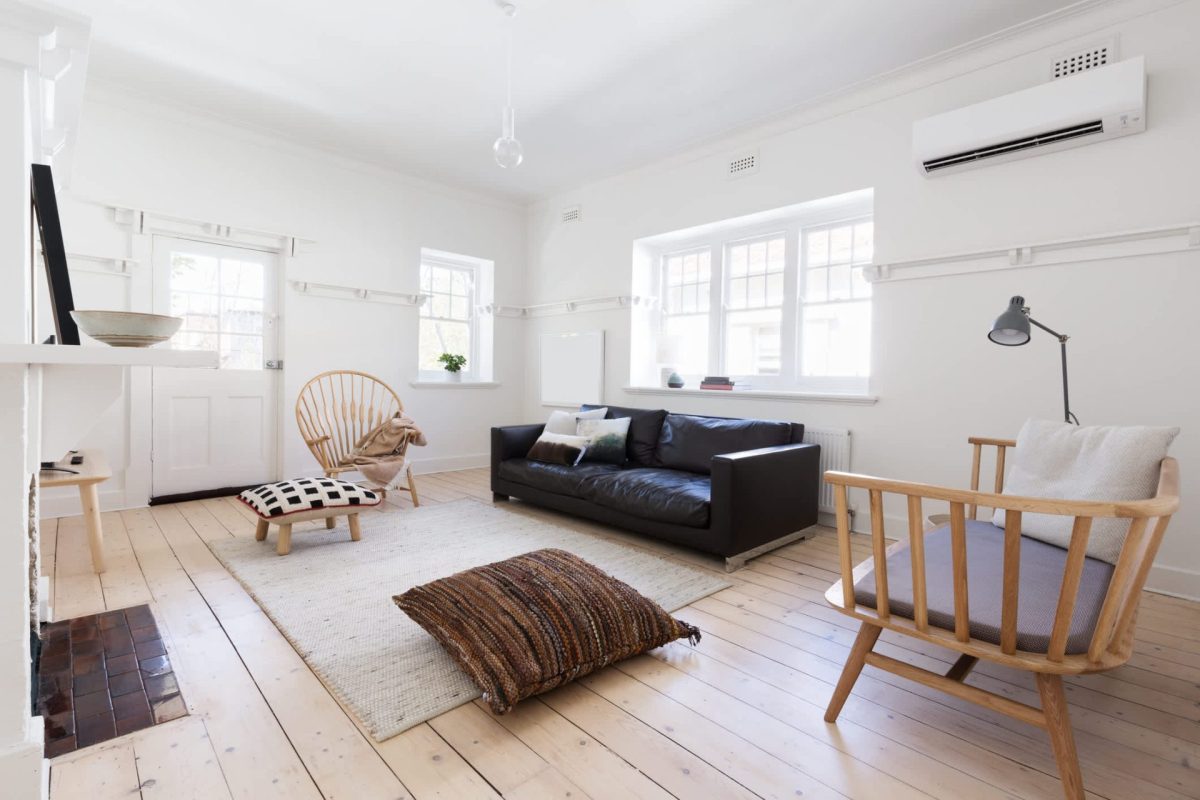
Through Friday, the Kansas City region was in for a punishing stretch of summer weather, with "feels-like" temperatures expected to reach between 100 and 110 degrees.
In conditions like that, many people instinctively head for the thermostat. But turning the air conditioner far below a normal setting can raise cooling costs without making the home cool down any sooner.
What's happening?
According to KCTV, the Kansas City area was under an extreme heat warning until the end of Friday. Actual highs were expected in the 90s, while afternoon heat index values could climb as high as 110 degrees.
The U.S. Department of Energy says one costly mistake is setting the thermostat much colder than usual when you first switch on the air conditioner. According to the agency, that move "will not cool your home any faster and could result in excessive cooling and unnecessary expense."
Its advice instead is to choose a thermostat setting that feels comfortable and keeps humidity under control. The department also says that "the smaller the difference between the indoor and outdoor temperatures, the lower your overall cooling bill will be."
The department instead points to several other basic ways to improve summer efficiency: keep the house a little warmer when you're away, clean or replace air conditioner filters regularly, turn off ceiling fans after leaving a room, and close blinds or other window coverings during daylight hours.
TCD Picks » Quince Spotlight
💡These best-sellers from Quince deliver affordable, sustainable luxury for all




Why does it matter?
When heat warnings stretch across several days, many households see utility bills rise along with the temperature. That can be especially difficult during humid conditions, when people may feel tempted to run the AC as low as possible.
But federal guidance suggests that overcooling is one of the simplest ways to waste money. While the department did not cite an exact dollar amount, it says a colder-than-normal setting will not cool a home faster and can leave households paying more than necessary.
The risks also extend beyond cost. During a heat wave, keeping indoor spaces manageable can be critical for comfort and health, especially for older adults, young children, and anyone without easy access to backup cooling options.

Get TCD's free newsletters for easy tips, smart advice, and a chance to earn $5,000 toward home upgrades. To see more stories like this one, change your Google preferences here.






