


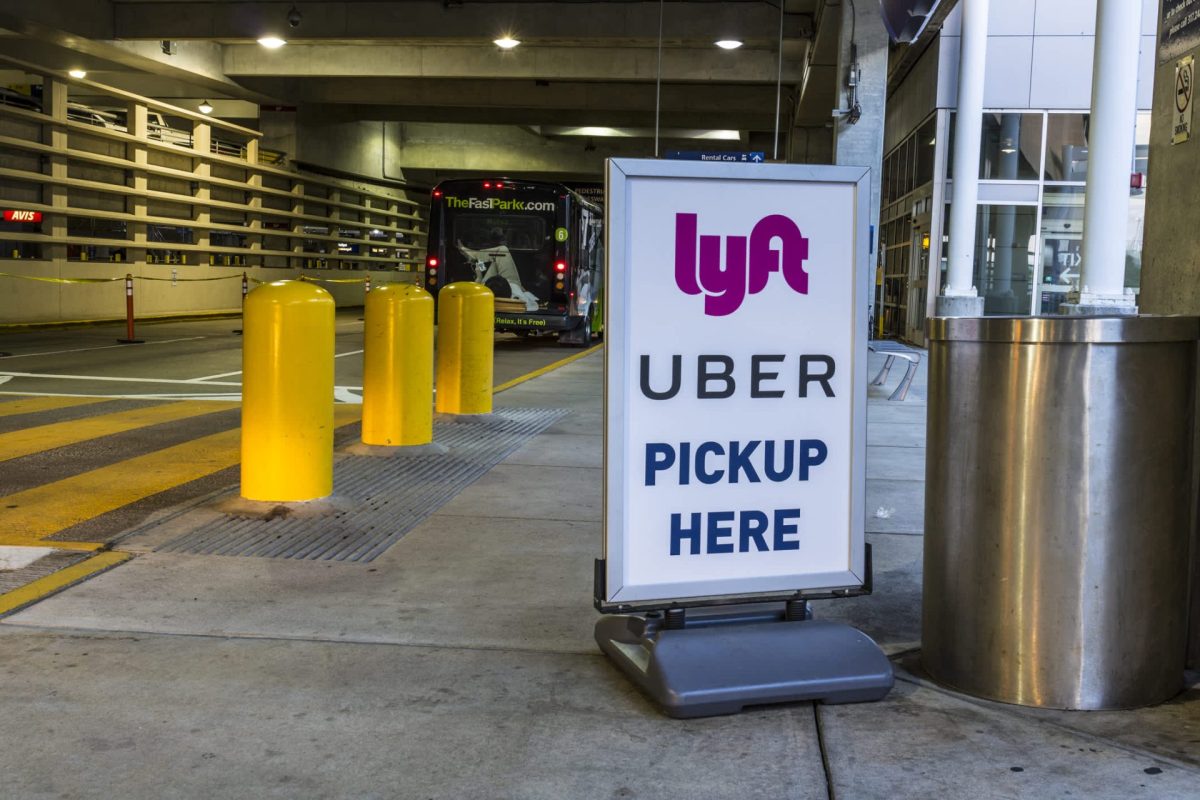
Getting to work, reaching a doctor's appointment, or bringing home groceries could soon carry one less hidden risk for ride-share users in Pennsylvania.
Lawmakers in the state House backed a proposal to bar ride-share firms from tailoring fares to personal data, a practice opponents say can raise costs precisely when riders are under the most pressure.
What happened?
The Pennsylvania Capital-Star reported that the approved bill would prohibit transportation network companies from using information drawn from personal devices or other sources to charge riders different prices.
With a 198-4 vote, the measure cleared the House and moved to the Senate.
"These are not luxury trips for many people," said Andre Carroll, a Philadelphia Democrat who introduced the bill. "Ride-share services have become an important part of daily life and necessary means of transportation."
Unlike surge pricing, which reflects demand, the proposal looks to ward off what lawmakers call "surveillance pricing" — using personal data to determine what an individual rider will pay.
TCD Picks » Quince Spotlight
💡These best-sellers from Quince deliver affordable, sustainable luxury for all




The bill would still allow discounts for clearly defined groups, such as veterans or teachers.
According to the Capital-Star, state Sen. Lindsey Williams plans to introduce separate legislation that would address surveillance pricing across a wider set of industries.
Why does it matter?
If companies are allowed to use personal data to decide who pays more, consumers could face higher prices in stressful situations — such as when their phone battery is low, when they urgently need transportation, or when an algorithm determines they have limited alternatives.
That could have an outsized impact on people already dealing with tight budgets, unreliable public transit, disability-related transportation needs, or urgent medical appointments.
"No one believes the grocery store clerk should be allowed to add 10% to your bill because of what you wore to the store. But that's exactly what happens in surveillance pricing. You're being charged more because of who you are, not because the item is more valuable," Williams said in a news release, per the outlet.
There are critics of this approach, however. Some free-market advocates and tech companies argue that pricing tools can support innovation and help match supply with demand.
Uber has disputed findings from Consumer Reports that riders were routinely shown different prices, saying the analysis used a flawed methodology and non-representative samples and showed 'a fundamental misunderstanding of how an open and dynamic rideshare marketplace works,'" according to the Capital-Star.
What's being done?
The bill draws a distinction between standard market pricing and the use of personal data to single out customers.
That narrow approach would let companies continue adjusting prices based on demand while barring what lawmakers say are discriminatory or manipulative pricing practices.
Republican state Rep. Jeremy Shaffer of Allegheny County said the legislation intends to create guardrails without shutting down innovation.
"This bill prevents egregious behavior from charging extra for rides based on a low battery that you might have on your cell phone or even what type of cell phone that you might have," he said.
According to the Capital-Star, Williams said Maryland, Connecticut, California, and New York already ban surveillance pricing and that similar measures are being weighed in 20 other states and by the U.S. Congress.

Get TCD's free newsletters for easy tips, smart advice, and a chance to earn $5,000 toward home upgrades. To see more stories like this one, change your Google preferences here.






