


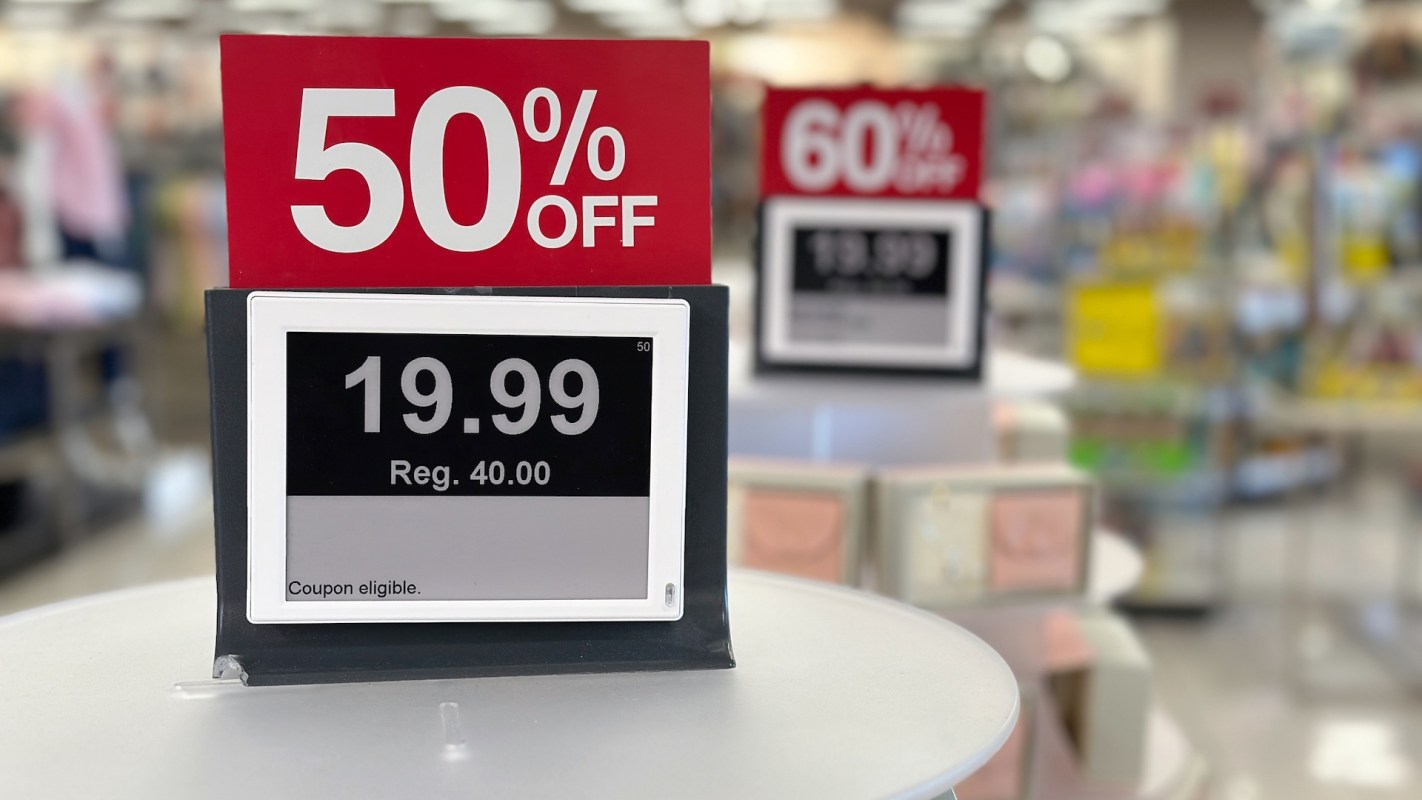
Pennsylvania lawmakers are pushing back against a pricing tactic that critics say could make everyday essentials even more expensive for families already stretched thin.
Under the proposal, companies could not use information collected through electronic surveillance to tailor prices to individual shoppers, the Bucks County Beacon reported.
What's happening?
In Pennsylvania, House Bill 1942, the Surveillance Pricing Act, would make it illegal for businesses to set individualized prices using personal data. The bill covers information gathered about consumers, including details such as location, browsing habits, race, and weight.
George Slover, senior counsel for competition policy at the Center for Democracy and Technology, said the practice relies on "vast amounts" of personal data, along with AI-generated assumptions about consumers.
Supporters say the bill takes on "surveillance pricing," a growing practice in which companies use artificial intelligence and other tools to predict the highest price a particular customer may pay.
State Rep. Jim Prokopiak, who co-sponsored the measure, said the bill is intended to protect working families from being squeezed by invasive technology and corporate greed.
TCD Picks » Quince Spotlight
💡These best-sellers from Quince deliver affordable, sustainable luxury for all




The legislation was introduced by state Rep. Danilo Burgos, with support from state Rep. Mary Isaacson. It awaits hearings and votes.
Why does it matter?
Supporters cast the issue as one of fairness.
They argue that hidden data collection should not determine that one customer pays more for the same product than another customer in the same store.
The concern comes as many households are already grappling with inflation, rising grocery costs, and greater credit use. Prokopiak said families in Bucks County and beyond are being "squeezed." That kind of financial stress can ripple outward into broader community problems, from mental health struggles to domestic violence and crime.
Companies often say variable pricing is tied to market conditions such as supply and demand.
But supporters of HB 1942 say the bill is not meant to ban public markdowns or transparent discounts. As Slover noted, open deals for seniors, veterans, students, and club members differ from hidden, individualized prices driven by surveillance.
What's being done?
HB 1942 is part of a wider push by state and federal officials to take a look at AI-driven pricing systems, particularly when they depend on personal consumer data.
Supporters say acting now could prevent a future in which algorithmic pricing becomes routine in grocery aisles, big box stores, and online shopping carts.
"Every consumer should pay the same price in the same store for the same item," Prokopiak said. "... We don't believe that especially in these times of rising costs that consumers in the same store at the same time should be getting different pricing."

Get TCD's free newsletters for easy tips, smart advice, and a chance to earn $5,000 toward home upgrades. To see more stories like this one, change your Google preferences here.






