


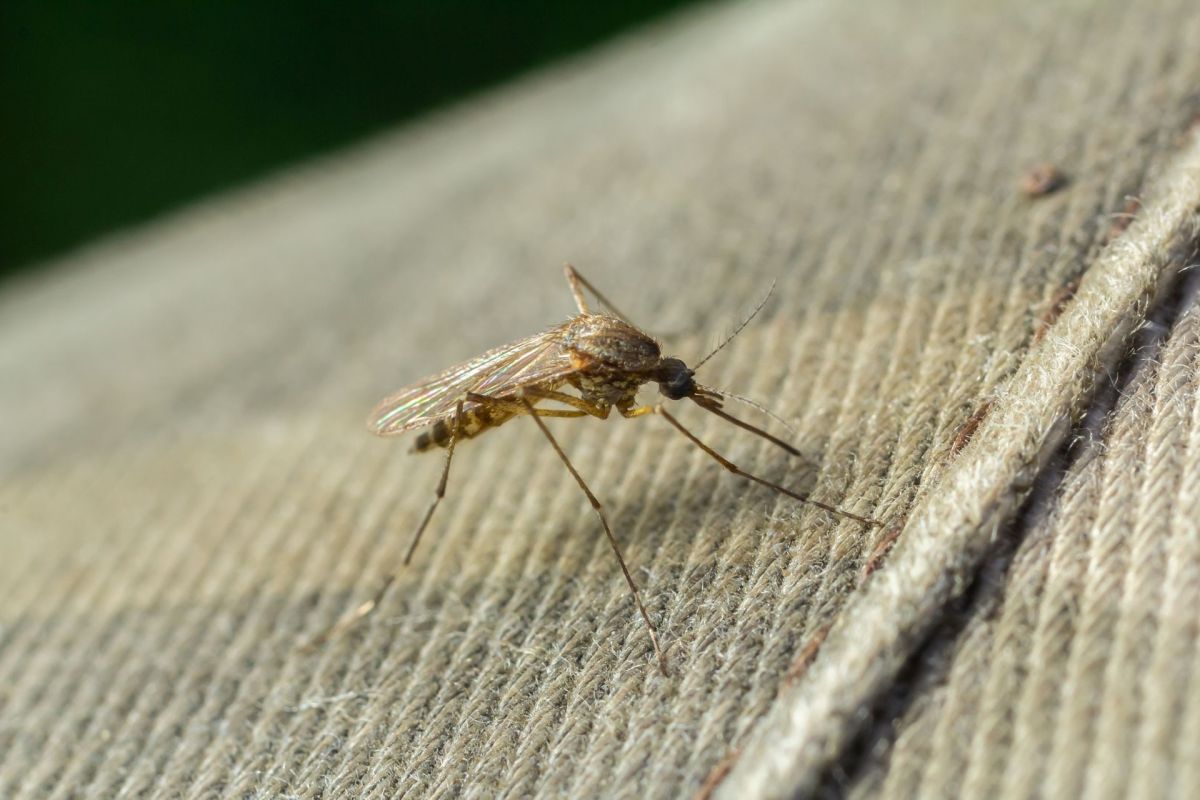
Across Saskatchewan, mosquito counts are already unusually high — well above the 10-year average and roughly double what they were at the same point last summer.
Researchers say the wet conditions driving the surge could also raise concerns about mosquito-borne illness, especially West Nile virus, MedicalXpress reported.
What's happening?
Scientists at the University of Saskatchewan and the University of Alberta say the combination of frequent rain and warm weather has created strong breeding conditions. Extra standing water expands the places mosquitoes can lay eggs, and heat can shorten the time it takes them to turn from larvae into adults.
Whether those elevated numbers persist will depend in part on what the weather does next. As Dr. Sean Prager explained, "Mosquitoes need water to reproduce because they have aquatic stages in their life cycle." He said a sustained dry period could change the trajectory.
Data from Saskatoon and Regina already show mosquito counts — including West Nile-linked species — many times higher than average. At the same time, researchers say intense rainfall can sometimes wash larvae out of places like storm drains and stagnant pools, which may knock back certain species in some locations.
Why does it matter?
The main public health concern goes beyond itchy bites.
TCD Picks » Quince Spotlight
💡These best-sellers from Quince deliver affordable, sustainable luxury for all




As Dr. Jumari Snyman put it, "The biggest mosquito-borne disease risk in Saskatchewan is West Nile virus, which remains a consistent public health concern during mosquito season."
Beyond West Nile, Snyman said Jamestown Canyon virus and Snowshoe Hare virus are also worth noting, despite being less familiar to many people. Infections often cause no symptoms, but when illness does occur, it can include fever, headache, fatigue, and muscle aches, and a smaller share of cases can become severe neurological disease.
Because most mosquito-borne viruses lack specific treatments, the best defense is to avoid getting bitten in the first place.
Experts are also keeping watch for mosquito-borne parasites such as canine heartworm. It is not circulating in Saskatchewan at present, but it can cause serious disease in dogs and cats and, more rarely, affect humans.
What can I do?
Major Saskatchewan cities are already conducting mosquito surveillance to measure population levels and identify species that may be more likely to transmit West Nile virus. Researchers say that work becomes even more important as mosquito distributions change and additional species gain a foothold.
For people spending time outdoors, the advice is to use repellent, wear long sleeves, and be extra cautious later in the day.
Dr. Emily Jenkins said, "Avoid being outside after dark, especially at dusk," noting that mosquitoes active around that time include some of the province's main West Nile carriers.

Get TCD's free newsletters for easy tips, smart advice, and a chance to earn $5,000 toward home upgrades. To see more stories like this one, change your Google preferences here.






