


A new conservation effort in the U.S. is drawing attention for its sci-fi-like approach to a very old problem: how to keep endangered species from disappearing forever.
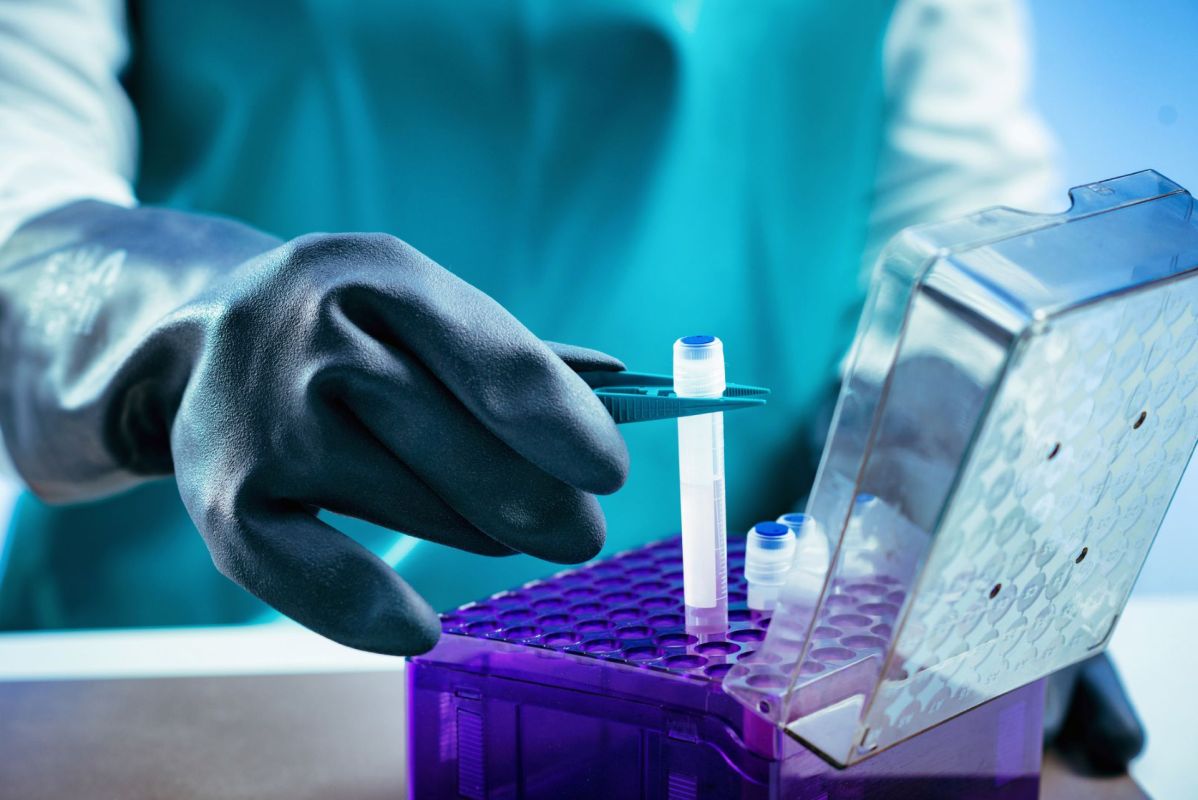
Reuters reports that the planned "BioVault" would keep genomic DNA, reproductive material, and cell samples from roughly 2,300 plants and animals protected under the Endangered Species Act at minus-321 degrees Fahrenheit.
What happened?
According to Reuters, Texas-based Colossal Biosciences said it had struck an agreement with the Fish and Wildlife Service to build a cryogenic repository containing biological material from every species covered by the Endangered Species Act.
Colossal says the BioVault is intended to become a permanent public resource, with standardized samples and genomic data available to scientists around the world. The material would be stored in liquid nitrogen at the company's Dallas headquarters and at other sites, with the goal of collecting it before populations decline beyond recovery.
Ben Lamm, CEO and cofounder of Colossal Biosciences, told Reuters, "The materials support assisted reproduction, genetic management of wild populations and future restoration if a species is lost entirely. For the first time, we have the technology to make that possible at scale."
Why does it matter?
Protecting biodiversity is about far more than saving individual species. When a species disappears, communities can lose part of the natural system they depend on. It has a ripple effect on the rest of the ecosystem, and losing too many species, or even just one particularly important one, can devastate the ecosystem and make it significantly tougher to save.
TCD Picks » Quince Spotlight
💡These best-sellers from Quince deliver affordable, sustainable luxury for all




Cryogenically preserving cells and DNA could give researchers and wildlife managers more tools to support struggling populations, strengthen breeding programs, and possibly restore genetic diversity lost over time.
Colossal told Reuters it expects to spend tens of millions of dollars to build and operate the BioVault. While frozen samples alone will not solve habitat destruction, pollution, or climate-related threats, they could give future scientists a better chance to help species recover instead of simply watching them vanish.
What are people saying?
Lamm framed the effort in sweeping terms, telling Reuters, "The Noah's Ark metaphor is about preserving the blueprint of life before it's lost, not waiting until a species is on the brink to start paying attention."
"Noah didn't build the ark after the flood. The whole point was preparation, preservation and the option to restore what might otherwise disappear forever," he continued.
Matt James, Colossal's chief animal officer, added, "This is also a call to the broader conservation community — zoos, universities, government agencies, NGOs and research institutions around the world. The Colossal BioVault is built to be complementary, not competitive … If you're doing this work, we want to work with you."

Get TCD's free newsletters for easy tips, smart advice, and a chance to earn $5,000 toward home upgrades. To see more stories like this one, change your Google preferences here.






