


Resistance to data centers appears to be a rare area of broad agreement among Minnesota voters, as The Minnesota Star Tribune explored.
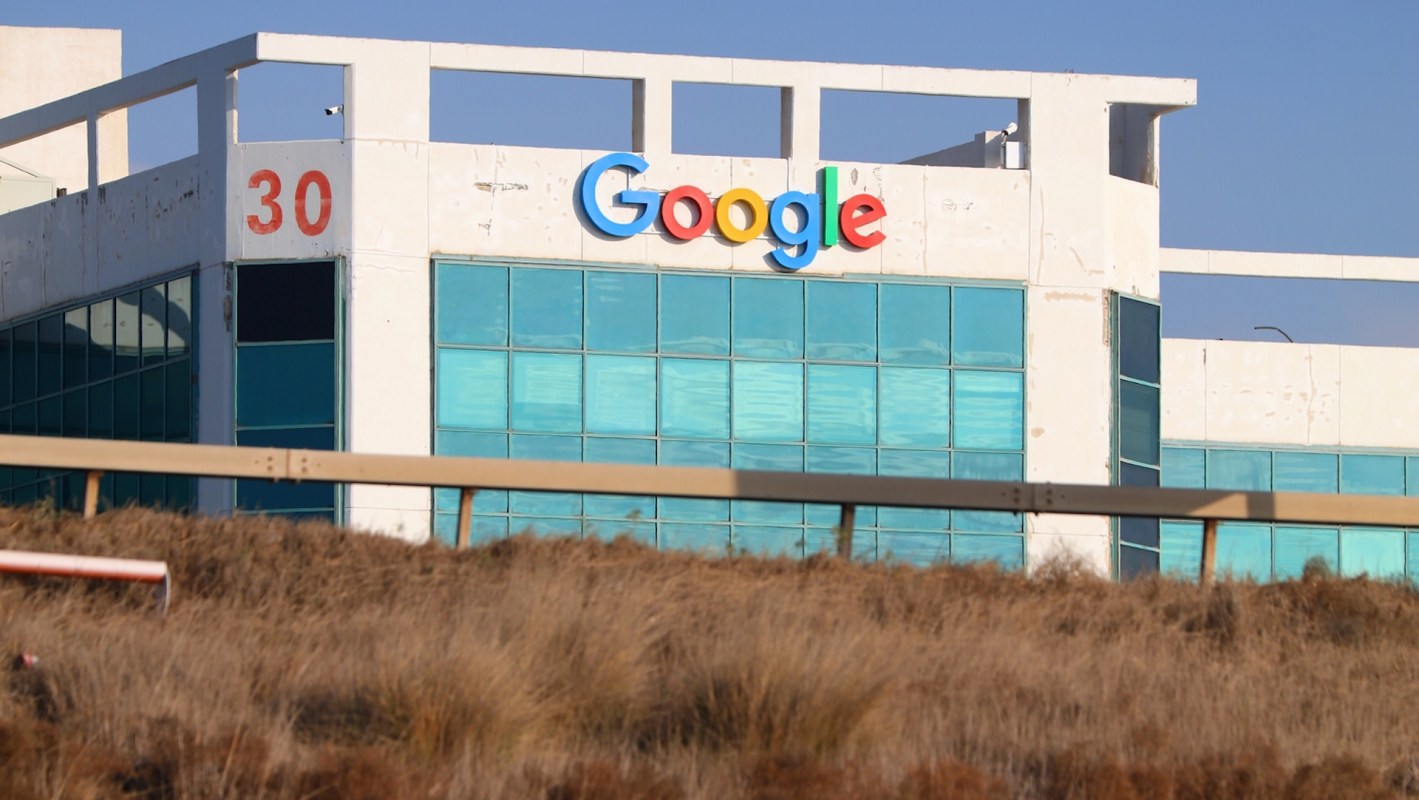
That sentiment is emerging just as Google moves forward with new projects in the state and residents consider whether they want one nearby, the paper noted.
What's happening?
In reporting on the latest Minnesota Poll, the Star Tribune said 63% of respondents opposed having a data center built where they live. The publication observed it was the most one-sided finding in the survey, exceeding several of the state's biggest political flashpoints.
While the divide remained partisan, opposition extended across both parties. Democrats were more strongly opposed, but 51% of Republican respondents also said they would not support a data center in their community, the Star Tribune observed.
The same poll also found broader unease about artificial intelligence, the paper revealed. Forty-two percent of respondents said they were somewhat concerned about "the increasing use of artificial intelligence in everyday life," while 35% said they were very concerned.
That skepticism is far from limited to Minnesota. A Reuters/Ipsos poll of 4,500 people similarly found that 57% of respondents would oppose having a data center in their community, with a similar divide between Democrats and Republicans, the Star Tribune added.
TCD Picks » Quince Spotlight
💡These best-sellers from Quince deliver affordable, sustainable luxury for all




The survey lands as Minnesota faces a surge of large development proposals, the paper noted.
Why does it matter?
Data centers are essential to AI tools, cloud computing, and many digital services people use every day, but the newest facilities can consume enormous amounts of electricity and water.
On one hand, the technology can help utilities forecast electricity demand, improve grid reliability, and better manage clean energy systems such as wind, solar, and battery storage.
On the other hand, AI can also drive power demand sharply higher, strain local utilities, contribute to rising energy costs, and deepen concerns about water use, cybersecurity, misuse, and job displacement.
That fear around jobs may be part of the politics behind the backlash. As the Star Tribune shared, venture capitalist Paul Kedrosky argued in The New York Times that some people may see opposition to data centers as a way of pushing back against the economic disruption AI could bring.
Developers' demands for secrecy can create lasting suspicion, particularly when communities are being asked to host facilities on an unprecedented scale, the paper added.
What's being done?
One response to that backlash appears to be more public outreach, which is an approach championed by Mark Cuban.
The Star Tribune reported that Google's open house in Hermantown about a large data center project drew several hundred attendees, with some people protesting outside while company representatives answered questions in small groups instead of giving a formal presentation.
Hermantown is just one project, with roughly a dozen other major data center proposals statewide, and the Star Tribune reported that Google's proposal is not even the largest in Minnesota by physical scale or energy demand.
The polling suggests public support may depend on greater transparency about what communities stand to gain, the tradeoffs involved, and how impacts on the grid and water systems will be handled.
"It's no wonder people are nervous, suspicious and even angry," the Star Tribune concluded of the climate around data centers.

Get TCD's free newsletters for easy tips, smart advice, and a chance to earn $5,000 toward home upgrades. To see more stories like this one, change your Google preferences here.







