


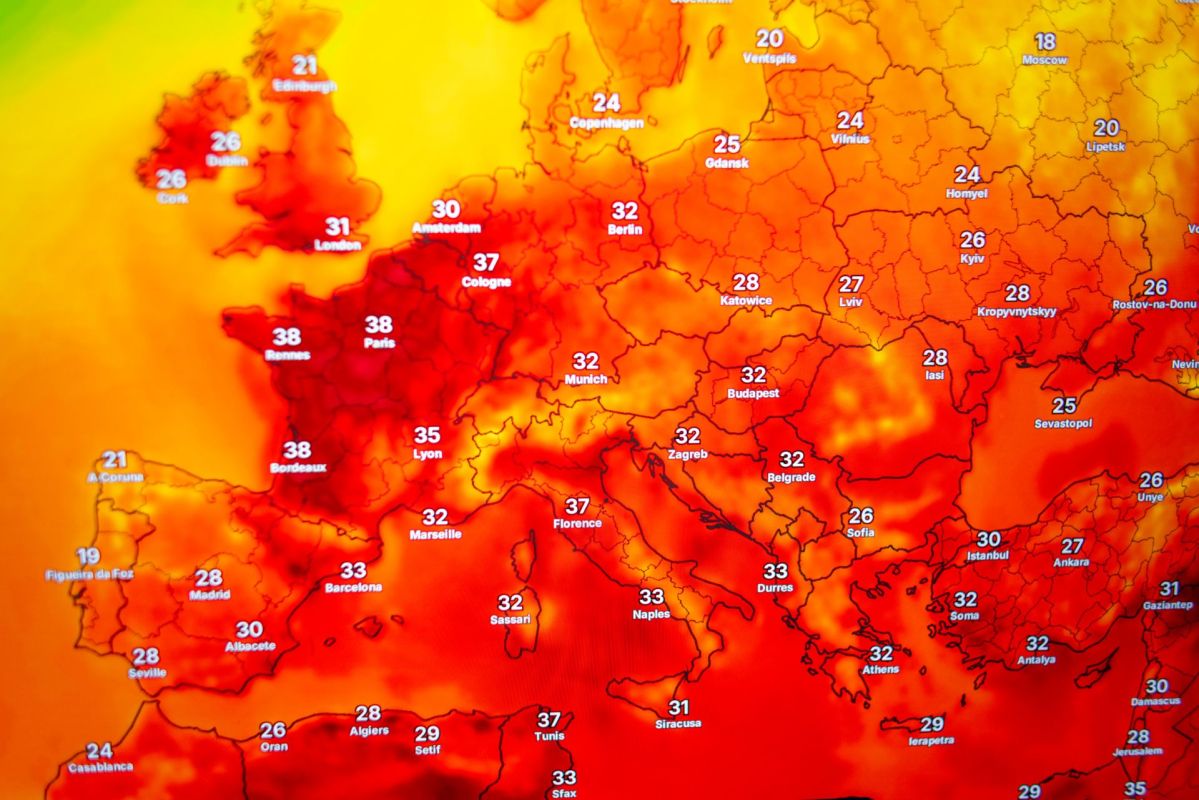
A tiny bird on a Berlin sidewalk has become an unsettling symbol of just how dangerous extreme heat can be.
What looked like an ordinary summer day became a reminder that record temperatures can turn deadly for people and wildlife alike.
What's happening?
In a YouTube short, climate scientist Adam Levy (@ClimateAdam) said, "It is incredibly, dangerously, quite unbearably hot here in Berlin right now."
He said the danger of the heat wave became concrete when he noticed something alarming on the street.
"I just saw something that really brought home how intense and how dangerous this time actually is, which was a tiny little bird just looking completely healthy, everything good, except it was just dead on the sidewalk," he said.
He stressed that he did not know why the bird had died.
TCD Picks » Quince Spotlight
💡These best-sellers from Quince deliver affordable, sustainable luxury for all




"And of course, I don't know what caused it to drop dead and fall down on the ground," he said, noting record-breaking temperatures "might well have something to do with it."
Commenters said the image lined up with reports from other parts of Europe.
"Yep, a friend in rural France has been collecting dead birds every morning this heat wave," one wrote. Another added: "I live far more west (North Rhine-Westphalia) and we had 40 C [104 F] too. It was unbearable at some points."
Why does it matter?
Extreme heat is not just uncomfortable. It can pose a serious public health threat, and it can harm animals, which have far fewer ways to escape sweltering conditions.
Levy pointed to the people least protected during periods of extreme heat: older adults, children, people living in poor conditions or without housing, and people with disabilities or health conditions.
Those groups often face the greatest danger when temperatures stay high for long stretches, especially overnight.
"The impacts of extreme temperatures on wildlife, plants, and entire ecosystems is so heartbreaking and under reported on in the media," one viewer wrote.
Much of the damage from dangerous heat happens out of public view, building quietly instead of unfolding as a single dramatic event.
As the changing climate brings more frequent and hotter heat waves, a dead bird on a sidewalk can signal broader strain affecting both communities and ecosystems.
What can I do?
Check local forecasts and heat alerts, limit strenuous outdoor activity during the hottest parts of the day, drink water regularly, and seek out air-conditioned or shaded spaces.
Check in on older neighbors, young children, and anyone who may not have reliable cooling. If you care for pets or spend time outdoors, make sure animals have access to shade and fresh water too.
As one commenter put it: "Guys, please take good care of yourself. Hydrate!"

Get TCD's free newsletters for easy tips, smart advice, and a chance to earn $5,000 toward home upgrades. To see more stories like this one, change your Google preferences here.






