


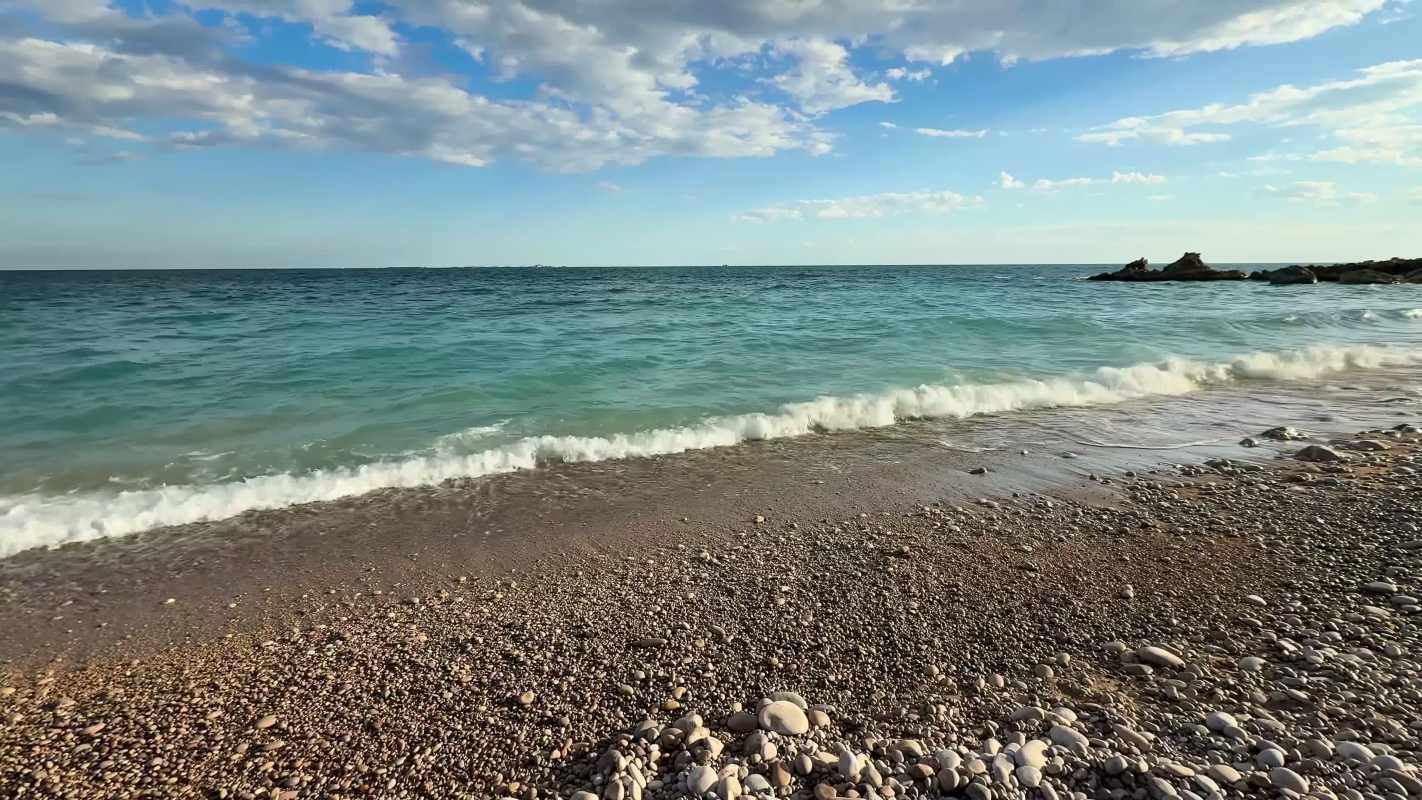
Swimming was halted and New York beachgoers were put on alert Thursday morning after a 9-foot shark was seen near a crowded Long Island shoreline.
The sighting came as marine wildlife and packed coastlines overlapped on a busy summer day at the shore.
What happened?
According to CBS News, lifeguards spotted the shark near Town Park Point Lookout at about 10:30 a.m. Thursday, and a news release said the animal was in the beach's most crowded area.
Officials quickly raised red flags at that beach and nearby stretches. After other lifeguards and beachgoers also reported seeing the shark, the Town of Hempstead shark patrol began checking the area by drone and watercraft.
Local protocol calls for stopping swimming for about an hour in a zone extending roughly 1 mile on both sides of where a shark is seen, CBS News reported. On a busy summer day, that can disrupt several popular parts of the shoreline at once.
Just before 1 p.m., New York City Emergency Management told beachgoers to expect intermittent closures at Rockaway Beach after multiple shark sightings.
TCD Picks » Quince Spotlight
💡These best-sellers from Quince deliver affordable, sustainable luxury for all




Why does it matter?
The immediate effect was interrupted swim time and red-flag warnings at some of the region's busiest beaches. Even brief closures can disrupt heavily used beaches on hot summer days.
Sharks have long lived in these waters, but encounters can seem more frequent when people crowd into coastal habitats. Human activity can also shape the situation in other ways, from shifting ocean conditions to changes in prey movement that may draw large marine animals close to shore.
That does not necessarily mean sharks are becoming unusually aggressive toward humans. As Culum Brown, a fish biologist at Macquarie University, previously put it, per The Guardian, "We do know that sharks don't like to eat people."
Instead, it means humans are sharing space with wildlife during peak beach season.
Sharks play a crucial role in marine ecosystems. Healthy shark populations are part of a functioning ocean food web, even as communities work to reduce the risk of dangerous encounters.
What's being done?
Officials moved quickly after the sighting, closing the water and monitoring the area. That kind of layered surveillance helps crews track animals without relying only on what can be seen from shore.
Under that response plan, the water was closed for about an hour, giving the shark time and space to move away.
Beachgoers are instructed to follow directions when areas are red-flagged or lifeguards clear the water. Staying near staffed beaches, avoiding swimming during closures, and remaining alert to warnings can reduce the risk of a dangerous encounter.

Get TCD's free newsletters for easy tips, smart advice, and a chance to earn $5,000 toward home upgrades. To see more stories like this one, change your Google preferences here.







