


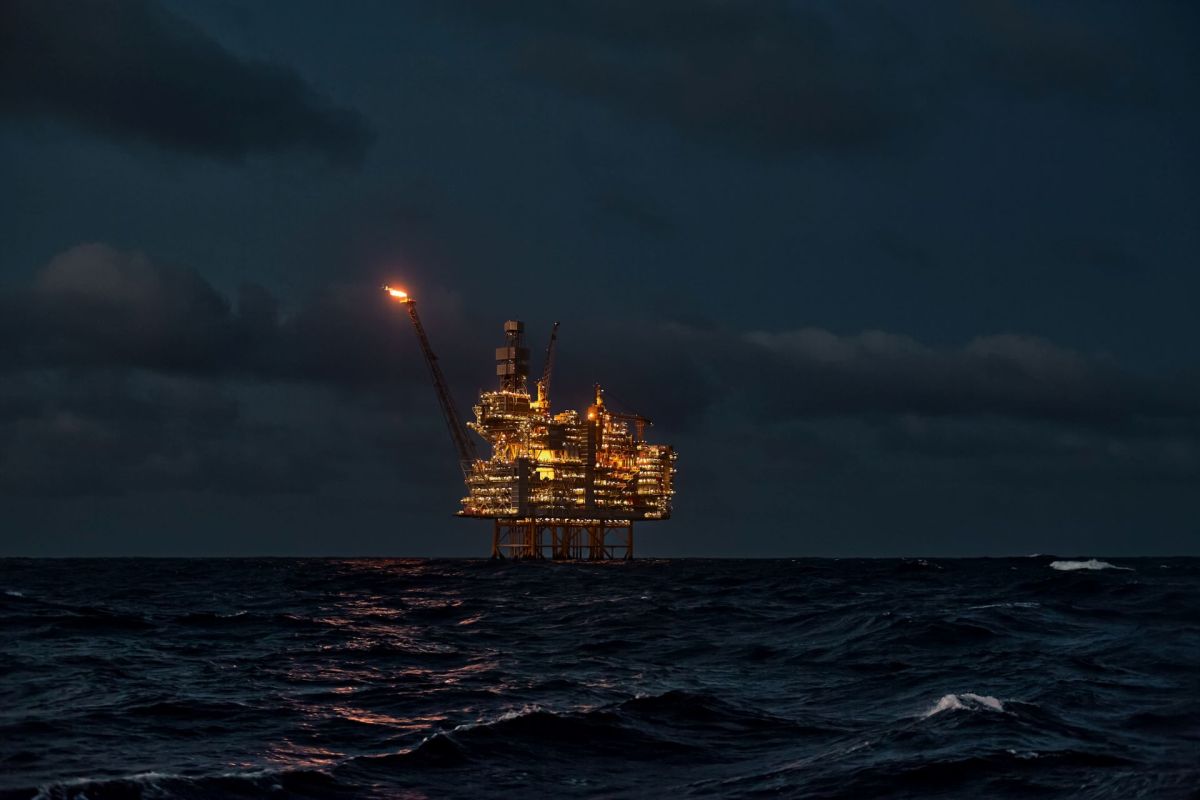
A California hearing examiner gave Sable Offshore temporary relief after emissions from a long-idled oil platform exceeded permitted levels soon after the site returned to service.
The five-day variance comes amid a broader dispute over who has the authority to regulate the company's offshore operations and how much additional pollution nearby communities should be expected to tolerate during the restart.
What happened?
According to The Santa Barbara Independent, Terrence Dressler, the Air Pollution Control District's quasi-judicial hearing examiner, signed off on a five-day waiver for Sable Offshore's Platform Heritage, about eight miles off the California coast.
The platform had been offline for about nine years before restarting in March, and Sable said equipment malfunctions and production problems during the relaunch caused unplanned flaring.
Sable's permit caps unplanned flaring emissions at 1 ton every 3 months. Citing papers filed by company representative Patrice Surmeier, The Santa Barbara Independent reported that the company had already crossed that 90-day threshold on May 22.
Without the variance, the company could have faced permit violations, fines, or other enforcement measures.
TCD Picks » Quince Spotlight
💡These best-sellers from Quince deliver affordable, sustainable luxury for all




Dressler said he was persuaded by Sable's claim that the problems could be fixed before the next 90-day permit period begins.
"In my experience, this is not unusual for a start-up," Dressler said, adding, "This is not a simple problem. It's a complex problem. They [Sable] seem to be confident they have found a solution."
Why does it matter?
The company said that scaling back production now could require the platform to be fully depressurized, which Dressler said would be "a whole lot worse" than the current exceedances.
He also said the district had not received complaints indicating that the emissions were creating a nuisance or health threat.
Environmental groups, however, objected to the waiver. Linda Krop, chief counsel for the Environmental Defense Center, said Sable had offered only "conclusory" claims that a fix was imminent and that the company would lose $1.75 million per day if production were cut back.
The Santa Barbara Independent reported that the dispute comes just ahead of a July court hearing over whether federal officials or state agencies have final authority over Sable's operations.
Fossil fuel infrastructure can harm people and communities through pollution and rising costs. Coal and natural gas power plants are major sources of air and water pollution linked to asthma, heart disease, cancer, and premature death, while also keeping many households dependent on costly fuel-based energy instead of cheaper, abundant power from sunlight and wind.
What are people saying?
Dressler said he tried to treat the legal question separately from the broader controversy around Sable.
"I had to ask myself, 'If this was not Sable, would I have made the same decision?' The answer is yes," he said.
Krop, meanwhile, argued that the evidence did not justify the waiver and that Dressler needed more than Sable's "conclusory" language before approving it.
Dressler ultimately defended the decision, saying, "We don't have a special set of requirements for Sable because they're Sable. Sable gets equal protection."

Get TCD's free newsletters for easy tips, smart advice, and a chance to earn $5,000 toward home upgrades. To see more stories like this one, change your Google preferences here.






