


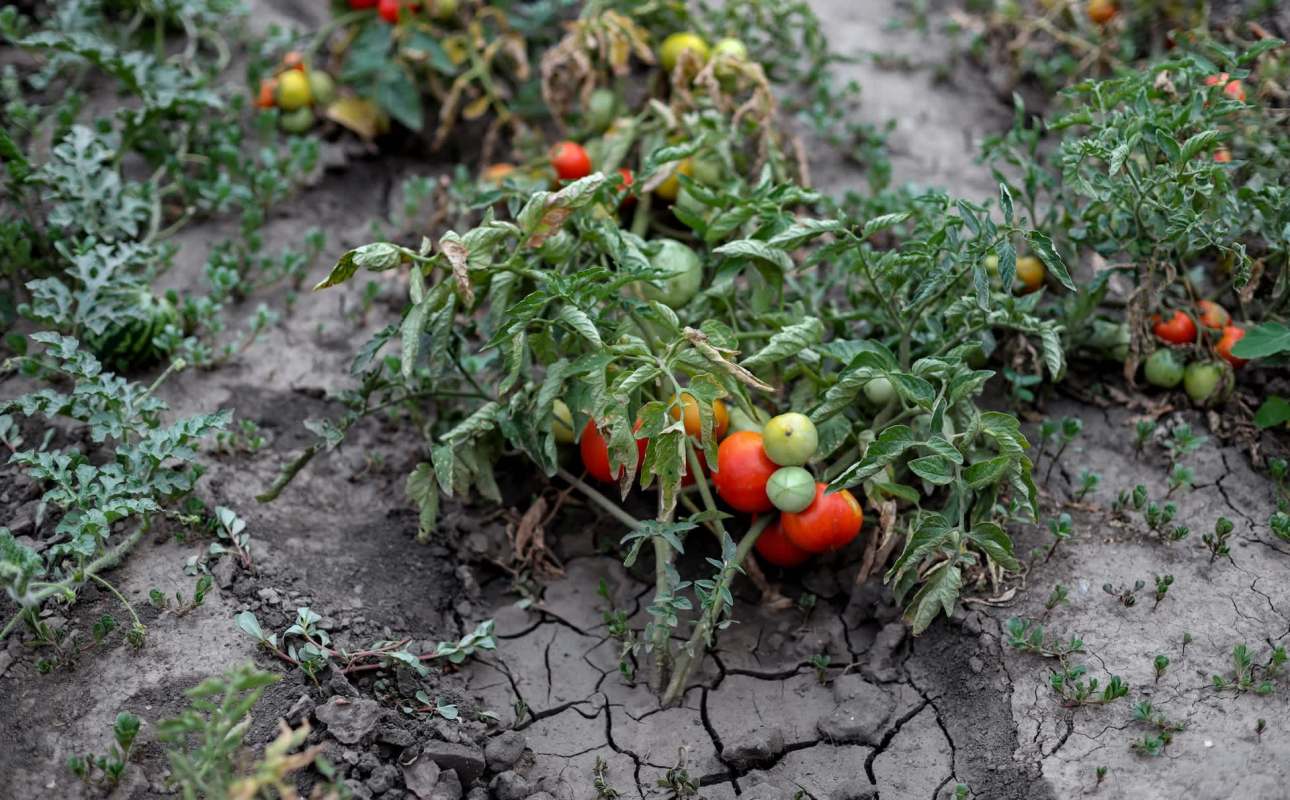
The damage from Europe's summer droughts becomes visible in the heat, but the setup may begin far earlier.
What's happening?
According to research published in the journal Communications Earth & Environment, one of the earliest clues for drought can emerge in winter, when North Atlantic air pressure patterns shift months before dry conditions peak.
Led by HU Berlin ecohydrologist Cong Jiang, the study tied Central Europe's dry summers to the wintertime North Atlantic Oscillation, or NAO, which influences the paths storms take across Europe.
As Earth.com detailed, during the NAO's positive phase, the pressure contrast between the Azores high and the Icelandic low becomes stronger. That usually gives northern Europe a milder, wetter winter, yet the study found that it can also coincide with drier summer conditions later on in Central Europe.
To examine how that pattern plays out on the ground, the team analyzed Demnitz Mill Creek, a lowland basin east of Berlin with long-running records of soil moisture, groundwater, and streamflow.
Researchers said the area gets about 22 inches of rain in a typical year, but more than 35 inches can be lost through evaporation and plant water use, which leaves it especially exposed to drought.
TCD Picks » Quince Spotlight
💡These best-sellers from Quince deliver affordable, sustainable luxury for all




A reconstruction of a 2018 drought showed a slow-moving drying process that spread downward through the landscape over time. Rainfall reached its minimum in August, while the topsoil was driest in October. Deeper soils hit their lowest point in February, and streams and groundwater did not bottom out until June 2019.
Why does it matter?
Because of that long lag, summer drought may be more predictable than it seems. Instead of treating water shortages as a sudden warm-season crisis, farmers, utilities, and communities may have months of additional time to prepare.
The findings also help explain why recent drought years, including 2018 and 2022, have been so damaging across Europe. Dry soils can cut crop yields, stress forests, shrink rivers, and strain drinking water supplies and hydropower systems.
Researchers identified two likely pathways behind the connection, as Earth.com detailed.
One affects how much rain reaches Central Europe, as winter atmospheric patterns and reduced Arctic sea ice may alter spring winds and steer precipitation elsewhere.
The other affects how quickly water is lost, since warmer winters and an earlier spring can cause vegetation to leaf out sooner and start drawing moisture from the soil earlier in the year.
Researchers also found that this relationship has grown stronger since 2000, suggesting that a warming climate may be intensifying it, Earth.com noted.
What's being done?
A positive winter NAO could therefore serve as an early warning for water managers. With that signal months in advance, Earth.com suggested they may be able to adjust reservoir operations, monitor groundwater more closely, or prepare irrigation strategies before conditions worsen.
That extra lead time could help farmers as well. Earlier warnings can help guide decisions about crop selection, planting schedules, and water use, especially in regions where hotter summers and drier soils are becoming more common.
The research does not suggest drought can be prevented, and the authors noted that the findings come from one especially well-studied catchment. It offers a forecasting clue that could be tested in other lowland regions across Central Europe, as Earth.com noted.

Get TCD's free newsletters for easy tips, smart advice, and a chance to earn $5,000 toward home upgrades. To see more stories like this one, change your Google preferences here.






