


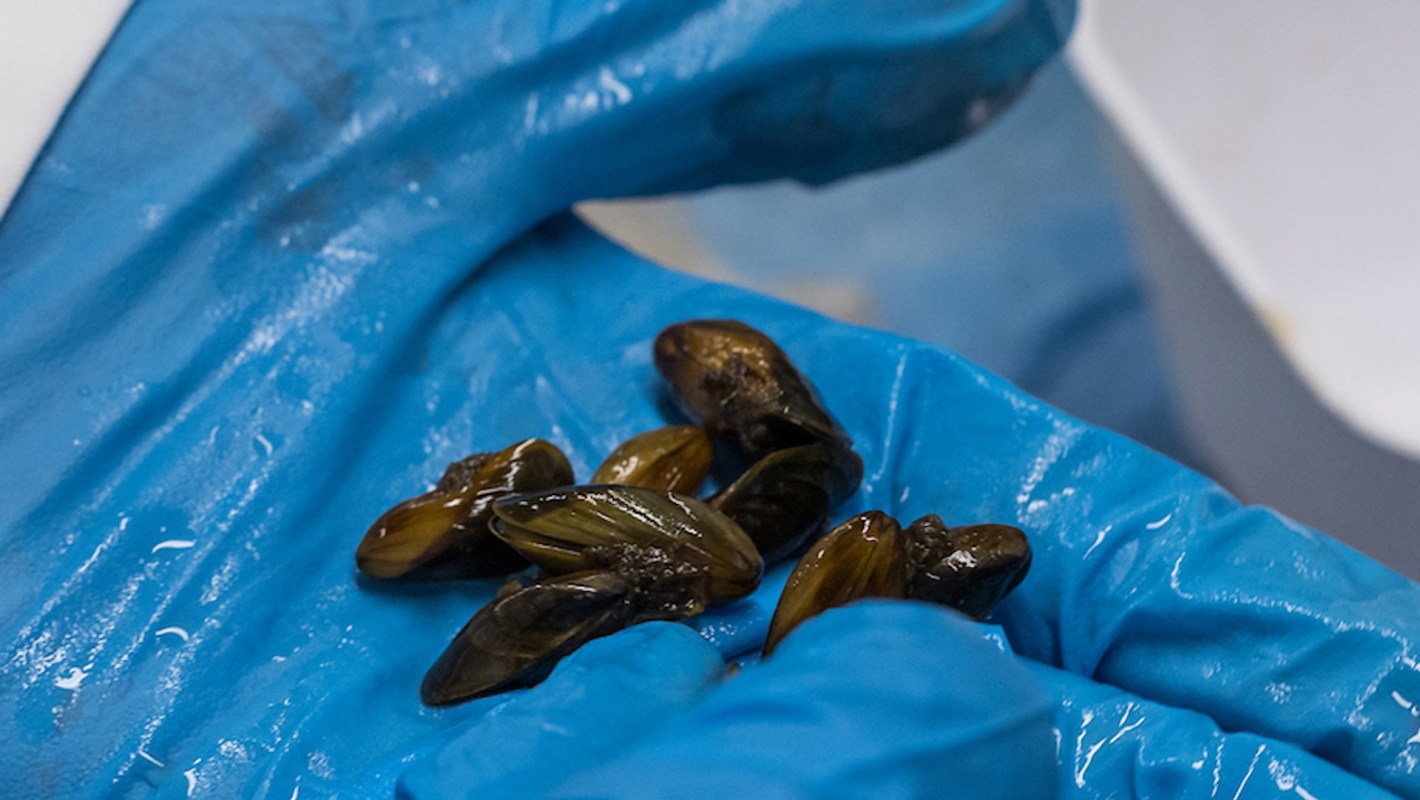
California's fight against invasive golden mussels has moved farther north, raising fresh concerns for boaters, anglers, and communities that rely on the Sacramento-area water system.
The latest detection near West Sacramento is another sign that a tiny species hitching a ride can create major problems for local ecosystems and critical infrastructure alike.
What happened?
State wildlife officials have said the invasive golden mussel has now turned up as far north as the Port of West Sacramento, marking the northernmost confirmed sighting in California to date.
According to the California Department of Fish and Wildlife, the new finding comes after golden mussels were first identified in California in 2024 at the Port of Stockton in the Sacramento-San Joaquin Delta.
The confirmation followed the collection of two specimens in the port area: one near the Jefferson Boulevard overpass and west lock, and another by Boathouse Road and Stone Boulevard. CDFW said its genetics lab verified on June 25 that both were golden mussels.
Additional CDFW surveys around the Washington Lake docks found more mussels, suggesting the West Sacramento detection likely came from a nearby source population. Officials are now warning boaters and other people using Delta and Sacramento-area waterways to avoid moving the species on vessels or equipment, whether upstream or over land.
TCD Picks » Quince Spotlight
💡These best-sellers from Quince deliver affordable, sustainable luxury for all




Why does it matter?
Even though they are tiny, golden mussels can create outsized problems. CDFW said they are "harmful to aquatic ecosystems, water conveyance systems and water infrastructure," meaning the risks extend from habitat health to public works.
Water infrastructure is closely tied to drinking water delivery, agriculture, recreation, and local budgets. Invasive mussels can clog pipes, attach to underwater equipment, or alter habitat, and communities often end up paying the price.
Their ability to spread is part of the problem. CDFW said golden mussels can stick to "almost any underwater surface," including boats, ropes, buoys, and aquatic plants snagged on anchors and trailers, making accidental transport from one waterway to another much easier.
What can I do?
The state's main advice for boaters and paddlers is simple: use the "Clean, Drain, Dry" routine whenever you leave the water.
CDFW said boaters and paddlers should inspect "watercraft, kayak, life vests, paddles and anything that touched the water." The agency has also advised draining water from bilges, ballasts, and live wells, and allowing equipment to dry completely until no moisture remains.
The guidance is intended to reduce the chances of transporting mussels to lakes, reservoirs, and rivers that have not yet been affected.
Anyone who spots a suspected golden mussel can also report it to CDFW's Invasive Species Program online, by email at invasives@wildlife.ca.gov, or by phone at (866) 440-9530, along with a clear close-up photo, the location, and contact information.
CDFW is repeating the "Clean, Drain, Dry" message and said that "through the continued efforts by boaters and others recreating on California's waters, golden mussel can be prevented from spreading to waters not connected to the Delta."

Get TCD's free newsletters for easy tips, smart advice, and a chance to earn $5,000 toward home upgrades. To see more stories like this one, change your Google preferences here.







