


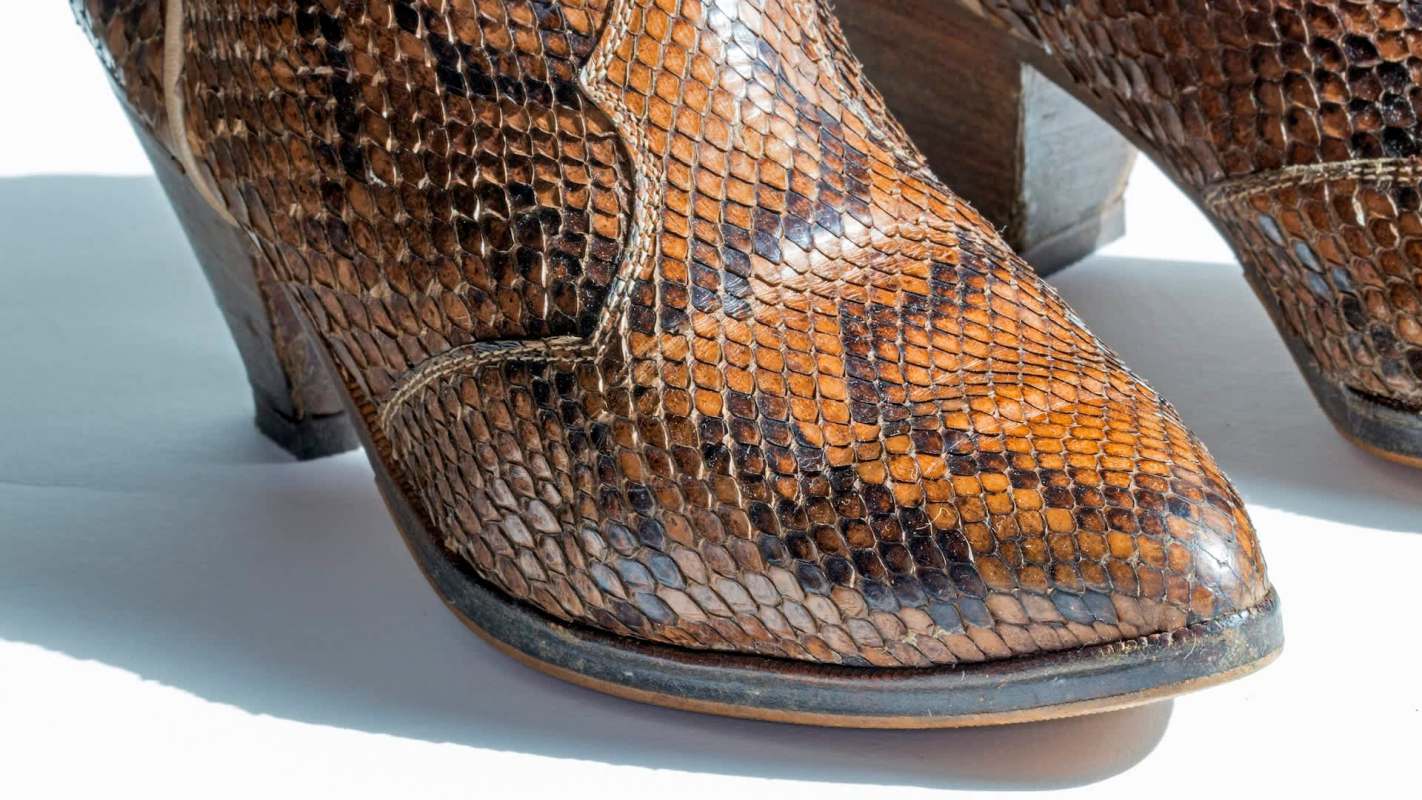
Florida's python problem is getting fresh attention because after some of the massive snakes are taken from the Everglades, their hides are later made into bags, wallets, belts, and boots.
But for the hunters involved, commercial use is not the main point. They say the work is really about helping protect the Everglades, one of the country's most fragile ecosystems.
What happened?
Hunters in South Florida are drawing renewed interest online for showing the grueling process of breaking down Burmese pythons after removing them from the Everglades, according to the Naples Daily News. The species arrived through the exotic pet trade years ago and has since become a top predator threatening native wildlife across the region.
Zach Hoffman, a South Florida hunter originally from Boston, told the outlet that catching the snake is only the beginning. Skinning, scraping, salting, and preparing the hide can take days.
"I would say it's pretty tough, even with a razor knife when you're cutting that snake down the middle," he says. "It's still quite a bit."
As the Naples Daily News described, hunters rely on items such as ropes, spoons, box cutters, and even tennis balls to help remove the hide.
TCD Picks » Quince Spotlight
💡These best-sellers from Quince deliver affordable, sustainable luxury for all




Amy Siewe, a full-time python hunter and guide, said the work is intense, per the Naples Daily News.
"It's actually a lot of core. When I'm scraping that, my whole body is tense."
Why does it matter?
Burmese pythons have devastated native animal populations in the Everglades, preying on rabbits, raccoons, opossums, birds, and even bobcats.
Removing them can give local ecosystems a better chance to recover while helping preserve biodiversity in the Everglades.
For hunters like Hoffman and Siewe, taking pythons out of the wild is conservation work, and using the animals afterward means they do not simply go to waste.
Siewe sells hides by the foot, and, according to the Naples Daily News, the biggest and cleanest ones can bring in more than $45 per foot.
"They're not good to eat. They're very chewy and full of mercury, and so that's never a good thing. But their skin is beautiful … it's not their fault that they're here, but they really do have to go," Siewe said.
What are people saying?
"Might as well honor their existence and admire their beauty," Siewe said.
Hoffman said, "I try to consume as much of the animals as I can. I try to respect the harvest even though it's an invasive creature."
He also noted that the challenge facing the Everglades goes beyond snakes alone, warning that overdevelopment is carving up habitat faster than hunters can fully undo the damage.

Get TCD's free newsletters for easy tips, smart advice, and a chance to earn $5,000 toward home upgrades. To see more stories like this one, change your Google preferences here.







