


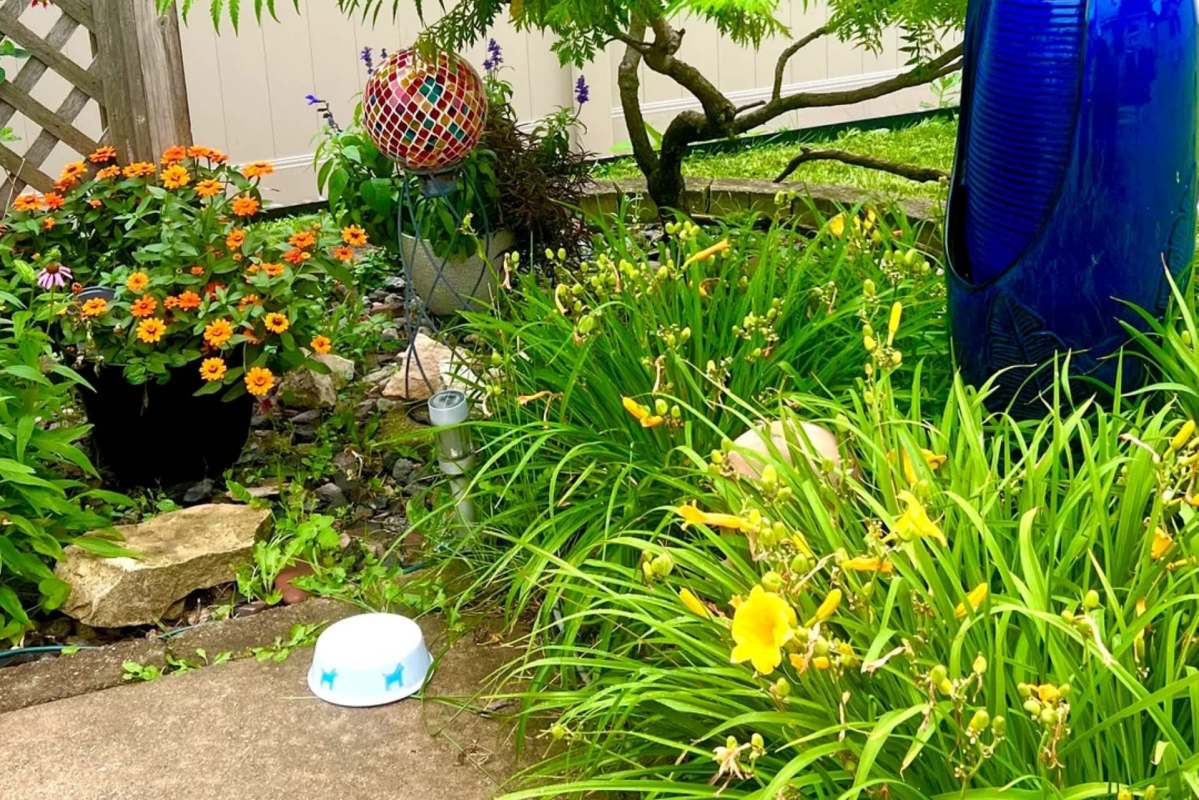
Some gardens are packed with wild dill, bee balm, zinnias, butterfly weed, and milkweed this season — but the usual bee and butterfly traffic still isn't showing up.
That disconnect is prompting a familiar question: If the blooms are there, where are the pollinators?
What's happening?
In a post on Reddit, one gardener said the lack of pollinators persisted despite skipping lawn pesticides and mixing clover into the yard.
"Where are the bees?" they asked above photos of their pollinator-friendly garden.
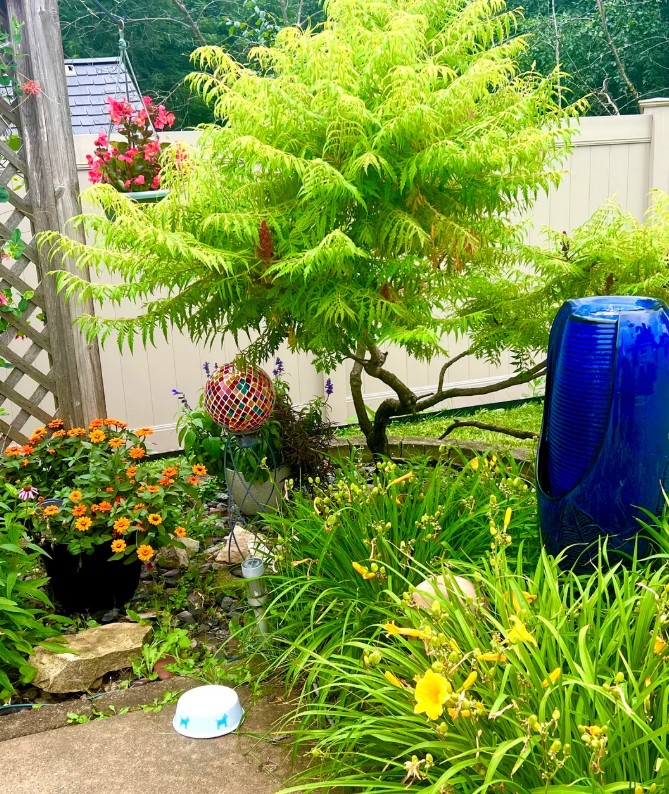
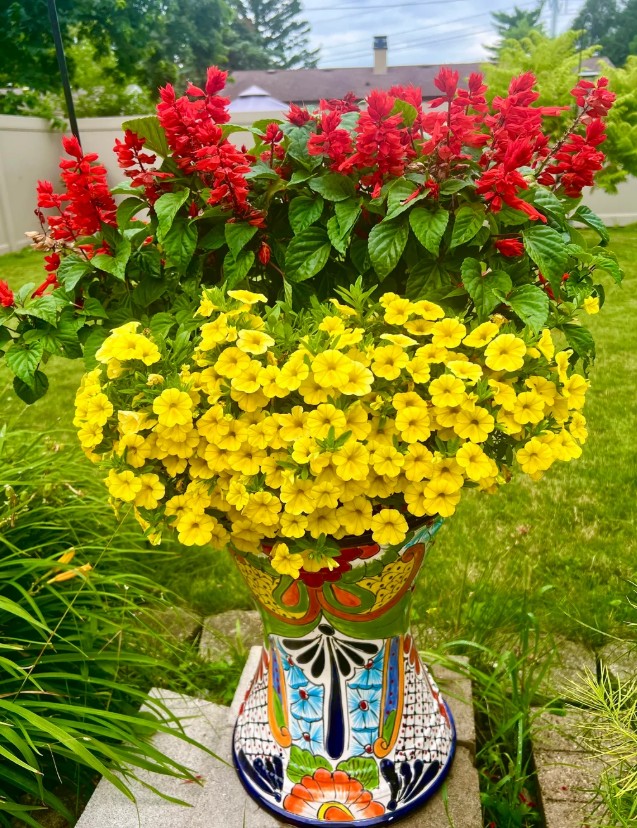
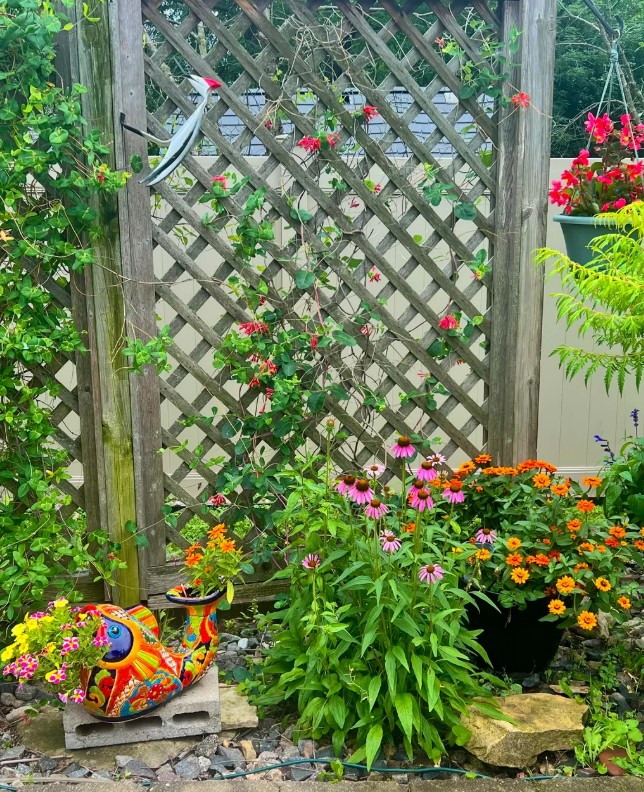
"I have wild dill; lots of bee balm; zinnias; butterfly weed, etc growing like crazy but have only seen a giant bumblebee," the poster wrote, adding there were "still no bees."
The gardener said swamp milkweed was blooming too, but it had brought only a single monarch sighting on one day. Comparing this year with the past, the poster wrote, "I used to have so many caterpillars; butterflies and bees."
TCD Picks » Quince Spotlight
💡These best-sellers from Quince deliver affordable, sustainable luxury for all




Hundreds of comments followed, with other gardeners saying they were noticing the same kind of decline. The conversation also turned to a larger issue: flowering plants alone may not be enough if everyday yards are missing the rest of the habitat pollinators depend on.
Why does it matter?
"What people don't understand about this problem (and I'm not criticizing you specifically so please don't take it that way) is that it's not just a matter of giving them food in the form of flowers," one commenter wrote. "You have to give them all of the supportive ecosystems where they breed, live, can find water."
Neat, heavily managed lawns may look tidy, but they often remove the leaf litter, dead wood, and cover pollinators rely on to survive and reproduce.
"People plant these beautiful flowers they find at box stores and not even investigating if they are good for the insects or animals they are trying to attract," another added. "So many of the box flowers are now being bred to be sterile so they dont spread, which doesnt provide any benefit to anything."
What can I do?
Homeowners do not have to completely redo their yards to make them more welcoming. Even a partial lawn replacement can help. Swapping out sections of turf for native plants, clover, buffalo grass, or xeriscaping can save money and time on lawn maintenance, lower water bills, and create more useful habitat for bees, butterflies, and other beneficial insects.
Leaving some dried leaves in place, keeping a small brush or log pile, and adding a shallow water source can make a yard more livable for pollinators.
If you're looking for practical next steps, rewilding your yard or upgrading to a natural lawn can help homeowners explore lower-maintenance yard options that support wildlife while cutting back on mowing and watering.

Get TCD's free newsletters for easy tips, smart advice, and a chance to earn $5,000 toward home upgrades. To see more stories like this one, change your Google preferences here.






