


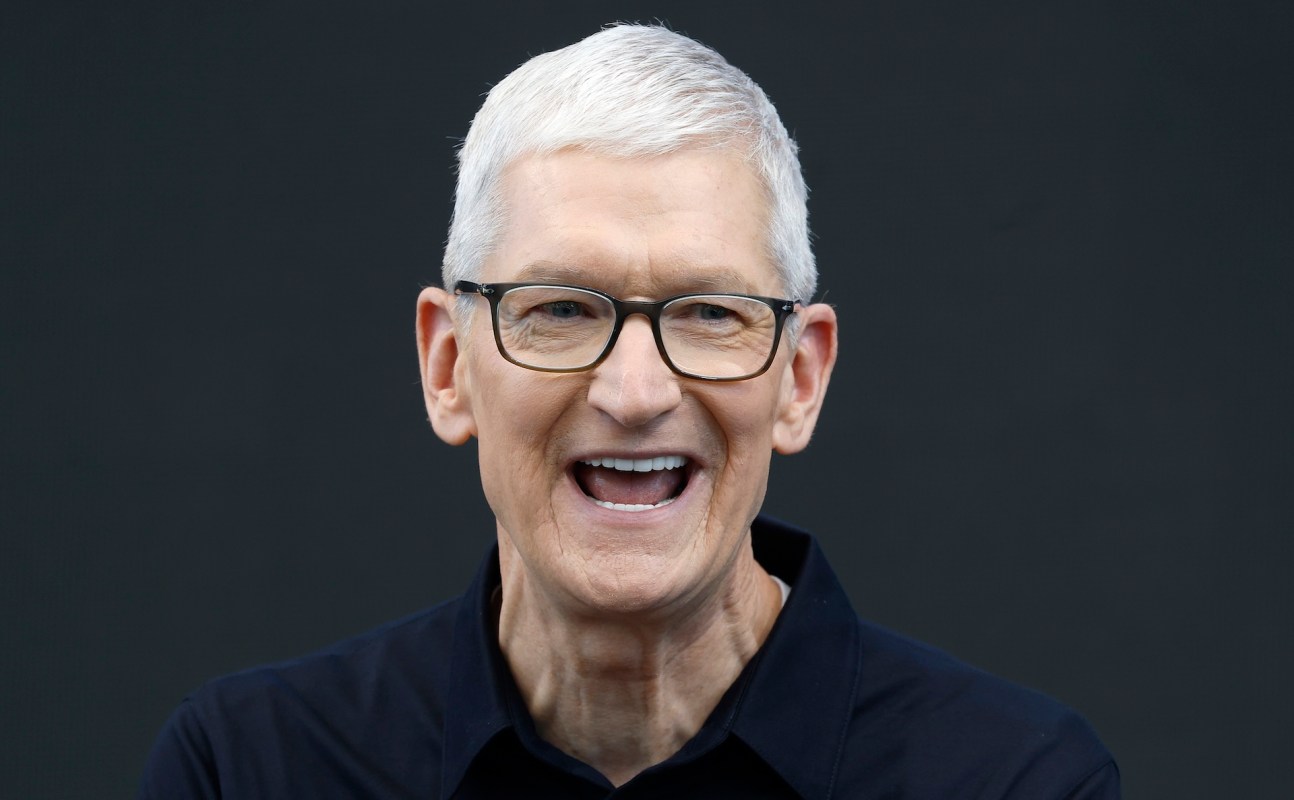
Just after Apple logged the biggest annual profit in its history, some Mac and iPad buyers are seeing higher prices — a shift that has drawn a sharp rebuke from Sen. Bernie Sanders.
Sanders called out CEO Tim Cook for "corporate greed" in response to the latest increases on several Apple devices, according to International Business Times UK.
What happened?
The IB Times reported that, after Apple raised prices on several Mac and iPad products, Sanders took to the social platform X to condemn the decision.
In his post, Sanders wrote, "Corporate greed is Tim Cook, the billionaire Apple CEO, claiming that hiking prices on Apple products by over $200 is 'unavoidable' after it made $112 billion in profits last year & spent $310 billion on stock buybacks. These price hikes aren't unavoidable. They're unacceptable."
Financially, Apple had room to absorb costs. The IB Times reported that net income for the fiscal year ending Sept. 27, 2025, hit a record $112 billion, up from $93.7 billion a year earlier. Over the same period, it also distributed $15.4 billion in dividends.
The increases did not hit every product line. The iPhone, Apple Watch, and AirPods kept their existing prices. The entry-level MacBook Neo now costs $699, and the 1 TB MacBook Pro costs $1,999.
TCD Picks » Quince Spotlight
💡These best-sellers from Quince deliver affordable, sustainable luxury for all




Sanders also said Apple spent $310 billion on stock buybacks in the last year, but the IB Times reported that Apple's SEC filing lists $89.3 billion in share repurchases for that fiscal year. A community note under his post pointed out the discrepancy.
Why does it matter?
These price hikes affect products that are usually everyday tools for work, school, and communication.
A few hundred dollars can make a major difference for someone trying to upgrade a laptop for class, replace a failing device for remote work, or decide whether they can afford a new purchase at all.
When a company posts record profits and still raises prices, critics see it as a sign that a company is using customer loyalty to extract more from buyers.
Sanders has long argued that this kind of pricing reflects a pattern in which corporations reward investors while passing higher costs on to consumers.
Wall Street was not thrilled either. Apple stock dropped about 5% after the announcement, wiping out around $200 billion in market value, according to the IB Times.
Still, not everyone saw the move as a serious threat. On X, Deepwater Asset Management managing partner Gene Munster said the sell-off "feels like an overreaction," arguing that Apple customers may continue to buy despite higher prices.
What's being done?
Apple says the higher prices reflect mounting costs for parts, particularly memory and storage.
Speaking to The Wall Street Journal on June 17, Cook said "price increases are unavoidable" and explained that Apple had held the line as long as it could amid AI-driven demand for memory and storage chips, according to the IB Times.
If a new device is not urgently needed, waiting may help, especially if prices ease or retailers begin offering discounts.
It may also help to compare storage tiers carefully since the steepest increases appear tied to upgraded configurations.
Shoppers can also consider refurbished products or older models if Apple's new pricing pushes a device out of reach.

Get TCD's free newsletters for easy tips, smart advice, and a chance to earn $5,000 toward home upgrades. To see more stories like this one, change your Google preferences here.






