


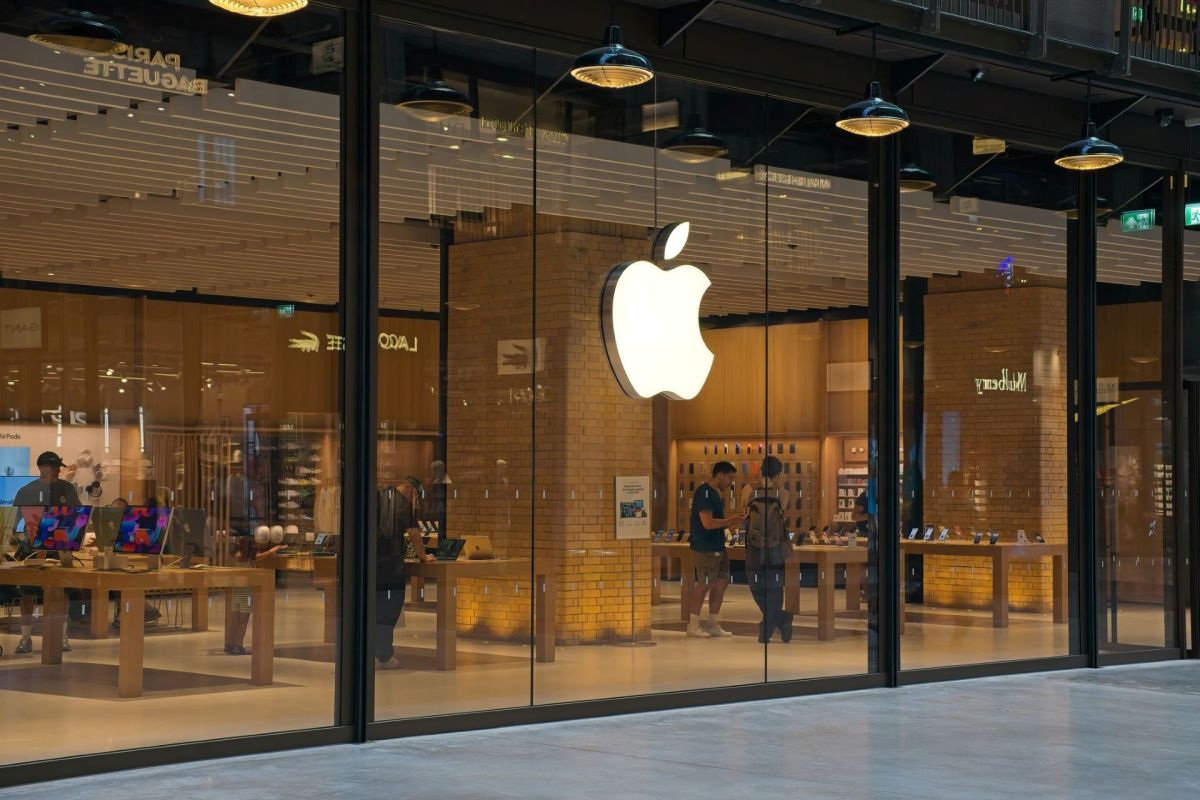
Apple customers are facing higher device prices because of fallout from the AI infrastructure race, according to GuruFocus.
According to Apple, memory and storage components have become too costly for the company to keep absorbing, leading to price increases for several iPad and MacBook models.
What's happening?
On Thursday, Apple raised prices across several product lines, including iPads, MacBooks, HomePods, and Apple TV devices, as reported by GuruFocus.
iPhones were not part of this round of changes, though analysts said that may not remain the case.
Among the bigger adjustments, the 512-gigabyte MacBook Air rose from $1,099 to $1,299, and the 1-terabyte MacBook Pro climbed from $1,699 to $1,999.
Apple said the MacBook Neo, launched in March as a lower-cost option aimed at budget Windows and Chromebook laptops, will now start at $699 instead of $599.
TCD Picks » Quince Spotlight
💡These best-sellers from Quince deliver affordable, sustainable luxury for all




Reuters reported that Apple said in a statement, "We have shielded our customers from these increases so far, but we have now reached a point where we need to begin raising prices on a number of products, including today's increases for iPad and Mac."
Why are these price increases concerning?
For many households, tablets and laptops are not luxury items. They are essential tools for work, school, telehealth, banking, and everyday communication.
Higher prices for MacBooks and iPads could push some consumers to settle for lower storage and memory configurations.
The move is also a reminder that AI has deep ties to the energy grid and the broader economy. Training and running AI models requires enormous computing power, increasing demand for new data centers, electricity, and water for cooling.
AI can also offer real benefits like helping utilities balance energy grids and improving building efficiency.
Still, those gains come with tradeoffs, including heavier energy use and higher operating costs that can trickle down to consumers.
Apple's price increase is one example of how the AI buildout can strain everyday budgets.
How can I save money on tech?
Apple appears to be limiting the hit to certain product lines by leaving iPhone pricing unchanged. That may soften the blow for consumers who were already planning to upgrade a phone rather than a tablet or laptop.
Comparing older models, buying refurbished products, using trade-in credits, and avoiding overbuying on storage or memory can all help lower the final price.
Holding onto a current device longer can also be one of the most cost-effective options while component markets remain volatile.
The broader tech sector will be under pressure to find ways to expand computing capacity without passing so many costs on to consumers at the same time.
In the meantime, Apple's concerning warning remains: "We have never seen a component price increase this much, this quickly."

Get TCD's free newsletters for easy tips, smart advice, and a chance to earn $5,000 toward home upgrades. To see more stories like this one, change your Google preferences here.






