


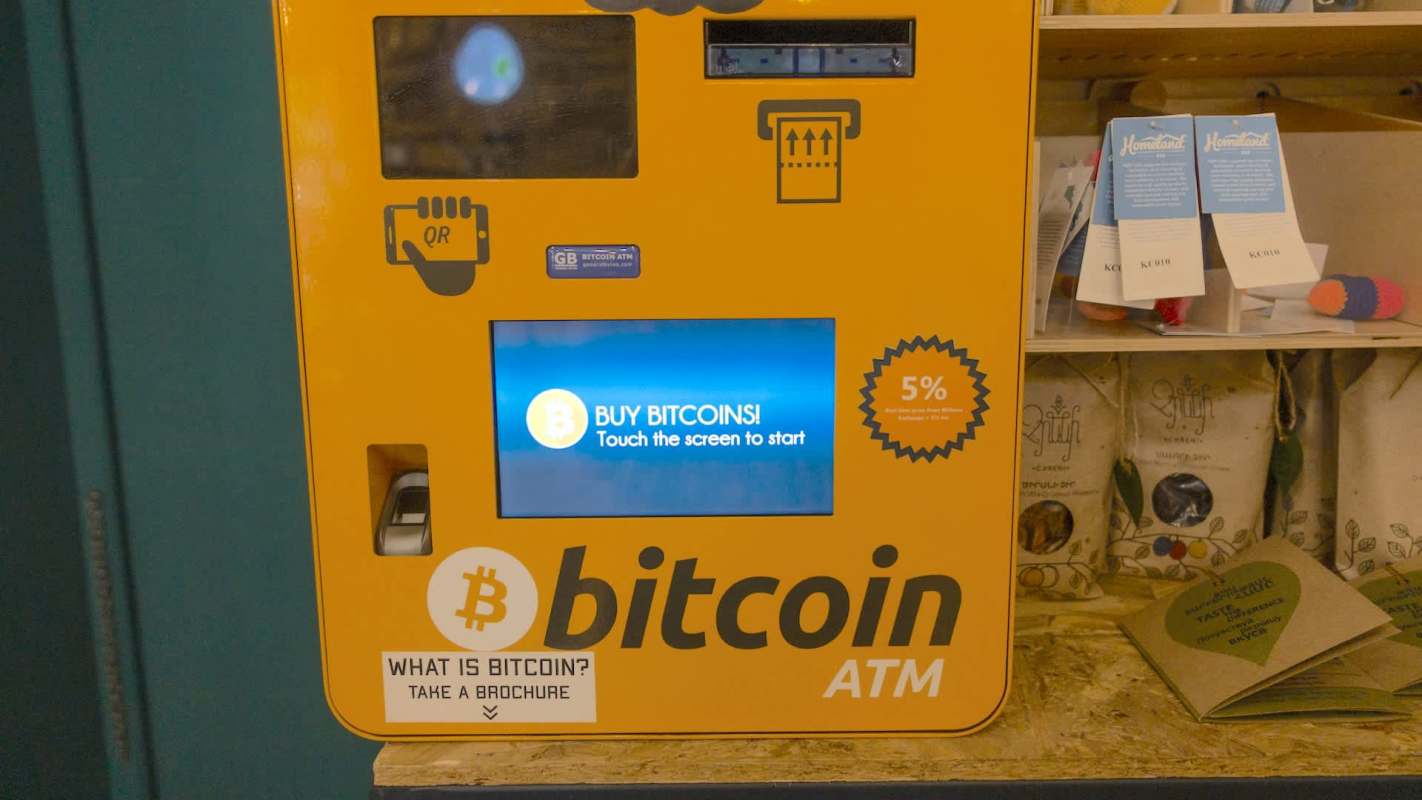
A frightening phone call can quickly turn into a devastating cash loss, especially when a scammer pressures someone to feed bills into a Bitcoin ATM before they have time to think.
To break that chain, Wealth of Geeks reports San Antonio is adding warning signs to cryptocurrency kiosks around the city.
What happened?
The San Antonio Police Department is warning residents about what it describes as a fast-growing scam. Callers pose as police, court personnel, government workers, or utility representatives and then pressure people to make payments through a Bitcoin ATM, Wealth of Geeks noted.
The case for action was backed by local numbers. San Antonio Report revealed information from SAPD presented during the ordinance process showed 660 reports linked to cryptocurrency scams between January 2024 and April 13, 2026, with about $39 million in reported losses.
Victims ranged from teenagers to people in their 90s, but older adults accounted for a significant share, per the outlet. The data showed nearly 38% of identified victims were 66 or older, according to San Antonio Report.
The publication said nearly 88% of cases involved losses below $50,000, though four exceeded $1 million.
TCD Picks » Quince Spotlight
💡These best-sellers from Quince deliver affordable, sustainable luxury for all




San Antonio then approved rules requiring bilingual warning signs on virtual currency kiosks, commonly known as Bitcoin ATMs or crypto kiosks. San Antonio Report also said the city counted 193 known kiosk locations, more than Dallas, Fort Worth, or Austin.
Why does it matter?
These scams work because they create panic, as Wealth of Geeks described.
Callers often say the target will face arrest, fines, utility shutoffs, or other punishment unless money is sent immediately, per the outlet. In many cases, they also insist the victim stay on the phone, leaving little chance to check with family members, store employees, or police before the transfer is completed.
Once cash is turned into cryptocurrency and sent to a scammer's wallet, the payment cannot be reversed. Laura Bravo, an investigative analyst with the U.S. Secret Service, told local network KSAT that crypto may move faster than traditional money and can be harder to recover once it reaches a foreign exchange.
Cryptocurrency and related infrastructure can have benefits in boosting clean energy initiatives. At the same time, crypto has drawn concern over fraud risks and its energy needs.
On the fraud side, the SAPD reiterated that no legitimate government agency or utility company will ask for payment through a Bitcoin ATM.
What's being done?
San Antonio's new ordinance is meant to intervene at the last possible moment before a payment goes through.
According to San Antonio Report, the signs must be posted in English and Spanish using large, color-coded 18-point type. They also have to be visible to anyone standing directly in front of the machine.
SAPD will oversee development of the signage, its distribution, and enforcement. San Antonio Report said businesses that fail to post the warnings can face administrative fines of $100 to $500 per violation, with each day out of compliance treated as a separate offense. The ordinance is expected to take effect July 1.
Mobile phone companies such as Google have also been working on anti-scam software, with Android's native phone app now allowing users to opt in to scam warnings, such as the ability to detect a spoofed Caller ID that claims to be from the government but is actually a fake.

Get TCD's free newsletters for easy tips, smart advice, and a chance to earn $5,000 toward home upgrades. To see more stories like this one, change your Google preferences here.






