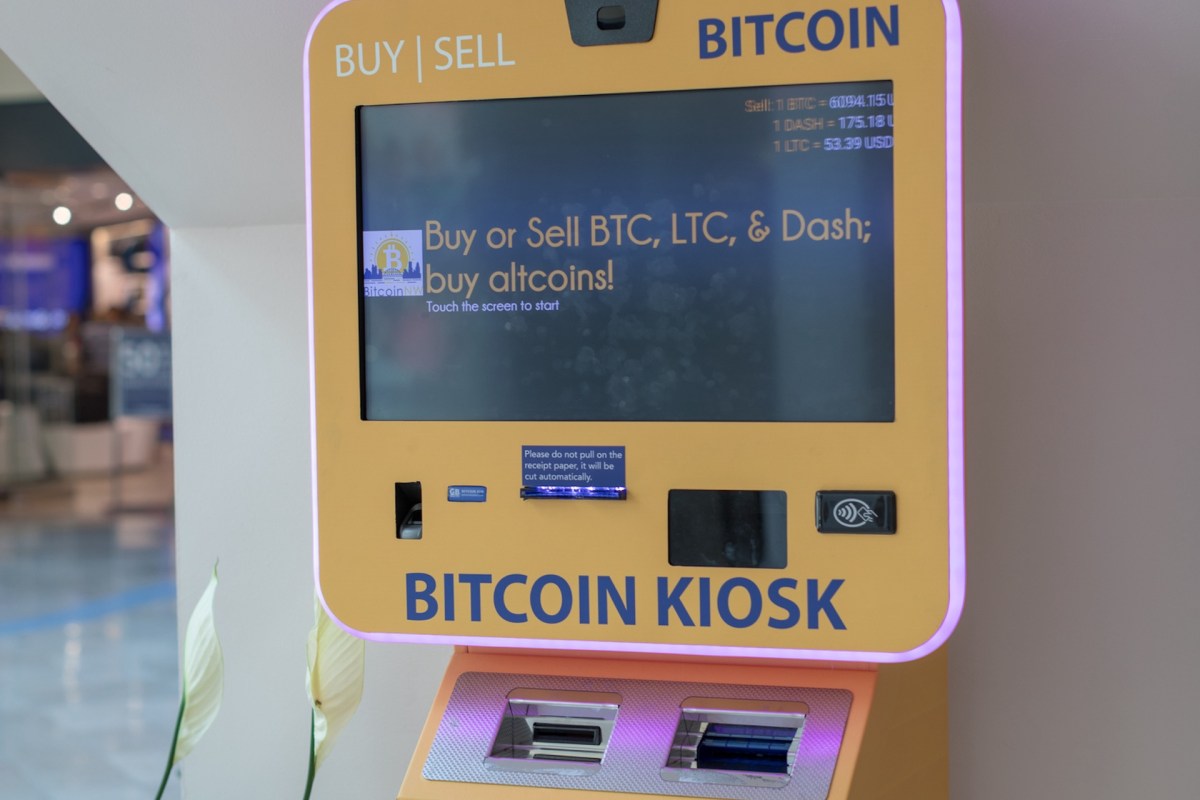
After a string of fraud cases tied to cryptocurrency ATMs, Minnesota plans to phase out the machines.
Authorities have said residents lost nearly $1 million through the scams over several years.
What's happening?
These kiosks allow people to exchange cash for digital currency on the spot. In Minnesota, publicly accessible crypto ATMs will be banned beginning August 1, 2026, and operators must remove them before the end of that year.
As reported by Fox News, state officials have said scammers take advantage of the convenience of these machines, using made-up emergencies, legal intimidation, and romance schemes to push victims toward a transaction.
In 2025 alone, Minnesota recorded 70 crypto-kiosk scam complaints involving more than $540,000 in losses.
From 2023 through 2025, the state's total reached 134 complaints and nearly $1 million reported lost.
TCD Picks » Quince Spotlight
💡These best-sellers from Quince deliver affordable, sustainable luxury for all




The state had previously put warnings and transaction limits in place, but investigators said the tactic changed little because scammers stayed on the phone and guided victims through each step.
Why does it matter?
Victims are often told they missed jury duty, need to protect a bank account, or must urgently help a loved one. They are then instructed to withdraw cash and feed it into a kiosk.
Once that money is converted to crypto, recovering it can be extremely difficult. Unlike a credit card payment or bank transfer, the funds can move quickly through digital wallets and across borders before anyone has a chance to intervene.
Nationally, the FBI said its Internet Crime Complaint Center received more than 13,400 complaints involving cryptocurrency kiosks last year, with reported losses above $388 million, per Fox News.
People over 50 made up more than half of those cases and lost more than $302 million.
What's being done?
Minnesota's response is to eliminate the ability to turn cash into crypto in a matter of minutes at a convenience store, gas station, or shopping center.
Residents will still have access to regulated online exchanges for buying and selling cryptocurrency, but the state hopes removing public kiosks will slow scams enough for people to stop and recognize what is happening.

Get TCD's free newsletters for easy tips, smart advice, and a chance to earn $5,000 toward home upgrades. To see more stories like this one, change your Google preferences here.