


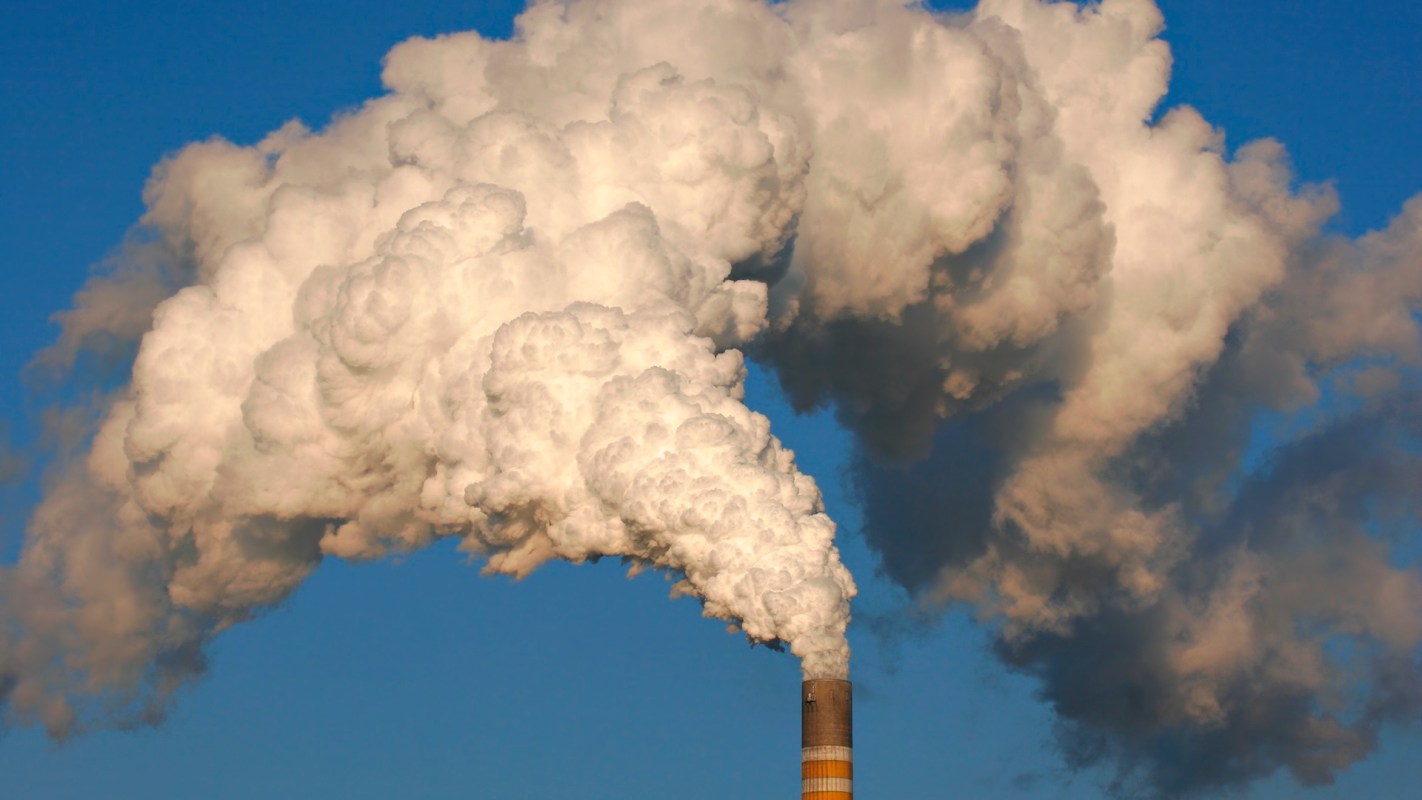
A major climate policy shift on the West Coast and in Canada could reshape how some of the region's biggest polluters operate — and eventually affect energy prices, public health, and clean energy funding.
What happened?
By 2027, California, Quebec, and Washington state plan to connect their separate carbon-trading programs into one cross-border market for emissions permits.
If the plan moves ahead, businesses covered by the programs could buy and sell allowances throughout all three jurisdictions rather than staying within their local markets, KUOW reported.
That would bring together three major economies in what officials say will become the "world's largest subnational carbon market" once it launches.
Washington's cap-and-invest program already requires large emitters to pay for the greenhouse gases they release, with the cap tightening over time.
California and Quebec, meanwhile, have long operated a linked system. According to KUOW, their most recent joint auction sold permits at a much lower price than Washington's latest sale, a gap that has helped fuel interest in what this new linkage could mean for future costs.
TCD Picks » Quince Spotlight
💡These best-sellers from Quince deliver affordable, sustainable luxury for all




Officials also described the move as a sign of regional cooperation at a time when climate policy is facing political resistance.
"While Washington, D.C., is really abandoning our country's commitment to move forward on climate and addressing such an urgent and existential issue, I'm thankful to be governor of a state that does exactly the opposite," said Washington Gov. Bob Ferguson.
David Ruiz with the Québec Government Office in Seattle said the combined linked system will represent the equivalent of the world's fourth largest economy.
Why does it matter?
A larger market could help steady Washington's higher carbon prices, which can influence fuel and energy costs.
Peter Godlewski with the Association of Washington Business said, "We're hopeful that, once this agreement is in place, we're going to see some sort of leveling out of those future price increases."
Todd Myers with the Washington Policy Center was even more direct, saying, "Joining California will help fix our broken system."
Money raised through carbon auctions has already gone toward clean-energy projects and assistance for low-income communities.
If the policy succeeds in cutting climate pollution, it could also help reduce risks tied to worsening heat waves, water stress, and other costly climate-related impacts.
As Ferguson put it, "Snowpack is no longer a reliable water supply."
Still, critics warn that carbon trading systems do not automatically improve air quality in every neighborhood.
Because companies can buy permits rather than cut emissions, people living near refineries, power plants, or pulp mills may still face concentrated pollution.
What are people saying?
Supporters are calling the agreement a landmark.
Ruiz said, "Our linked market, once operational in 2027, will be the world's largest subnational carbon market," adding, "At a time when cross-border cooperation and environmental policy are being challenged more than ever, our teams demonstrated remarkable dedication to work together and bring this vision to life."
Others say the details will matter most for residents living near pollution sources.
Christina Estela Brown with the environmental justice group Front and Centered said, "Washington state must deliver real greenhouse gas reductions, reduce the unfair share of pollution that frontline communities continue to face, and ensure that cap-and-trade revenue delivers benefits where they're needed most."

Get TCD's free newsletters for easy tips, smart advice, and a chance to earn $5,000 toward home upgrades. To see more stories like this one, change your Google preferences here.






