


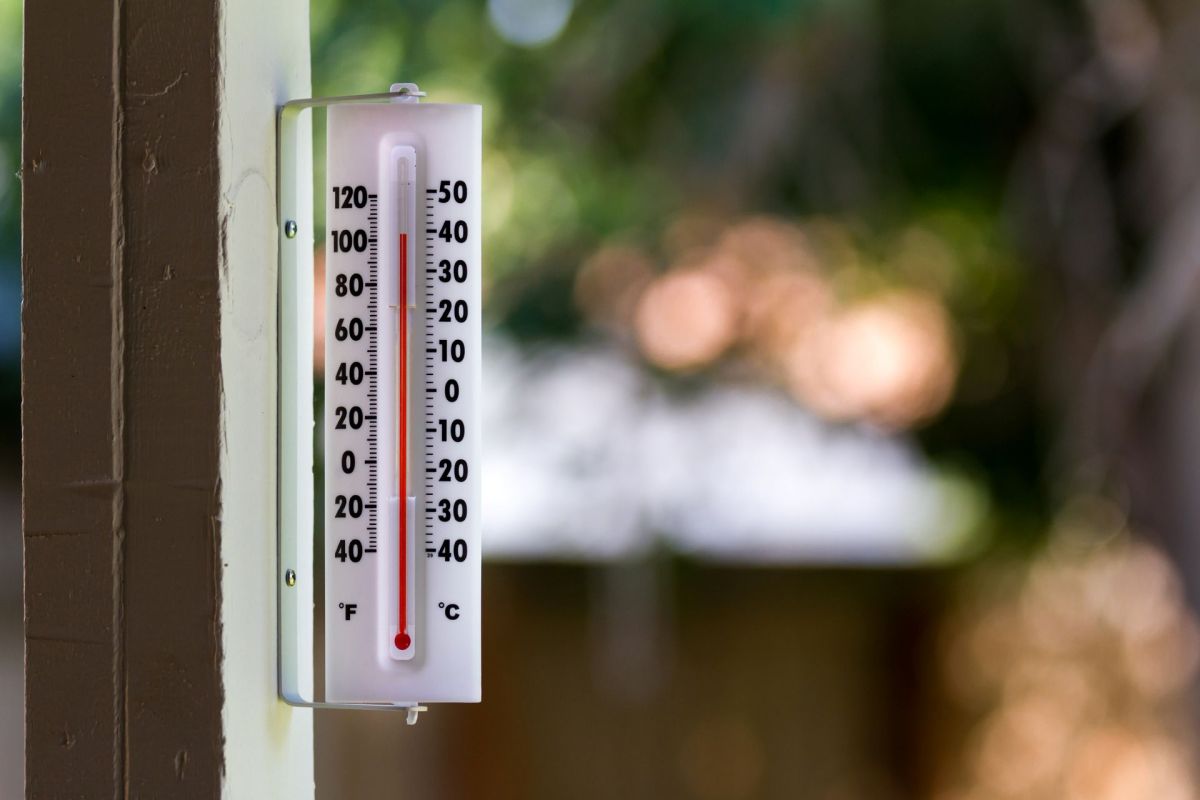
A major heat threat is building in both Europe and the United States, though the forecasts are turning severe in different ways.
Germany could approach 109 degrees Fahrenheit, while parts of the U.S. may experience feels-like temperatures of 115 this week.
What's happening?
A TikTok by the Weather Professor (@WeatherProfessor) set the two forecasts against each other, stating: "Dueling heat waves! Europe vs. the USA in a match no one wants! It's Europe's most severe heat wave in history, with Germany highs up to 109 this weekend vs. the USA, where next week will be sweltering, with feels-like temps up to 115!"
The first figure referred to the forecast high, while the second factored in humidity, which can make conditions feel significantly worse than the air temperature alone. Both can create dangerous conditions.
Why does it matter?
When temperatures climb this high, daily life can become more than uncomfortable — it can be dangerous. Outdoor workers, older adults, young children, and people with health conditions are especially vulnerable to heat exhaustion and heat stroke.
Feels-like temperatures can be especially concerning because humidity makes it hard for the body to cool itself through sweating. Even when the thermometer reading is lower than the headline figure, the strain on the body can still be severe, particularly during long stretches of hot afternoons and warm nights.
TCD Picks » Quince Spotlight
💡These best-sellers from Quince deliver affordable, sustainable luxury for all




Paved streets, buildings, and limited tree cover can trap heat and keep neighborhoods warmer than surrounding areas. Some people may face harsher conditions than a regional forecast suggests, particularly if they live in densely built areas without reliable cooling.
What can I do?
Take both actual temperatures and feels-like readings seriously. Check local forecasts and alerts, avoid strenuous outdoor activity during the hottest part of the day, and drink water regularly instead of waiting until you feel thirsty.
If you do not have dependable air conditioning, try to identify cool public spaces ahead of time, such as libraries, community centers, or malls. Closing blinds or curtains during the day can reduce indoor heat buildup, though fans alone may not be enough in extreme conditions.
It is also worth checking in on people who may be at greater risk, including older neighbors, relatives who live alone, and anyone working outside. Never leave children or pets in a parked car.
"We are quite literally cooked," one commenter said.

Get TCD's free newsletters for easy tips, smart advice, and a chance to earn $5,000 toward home upgrades. To see more stories like this one, change your Google preferences here.






