


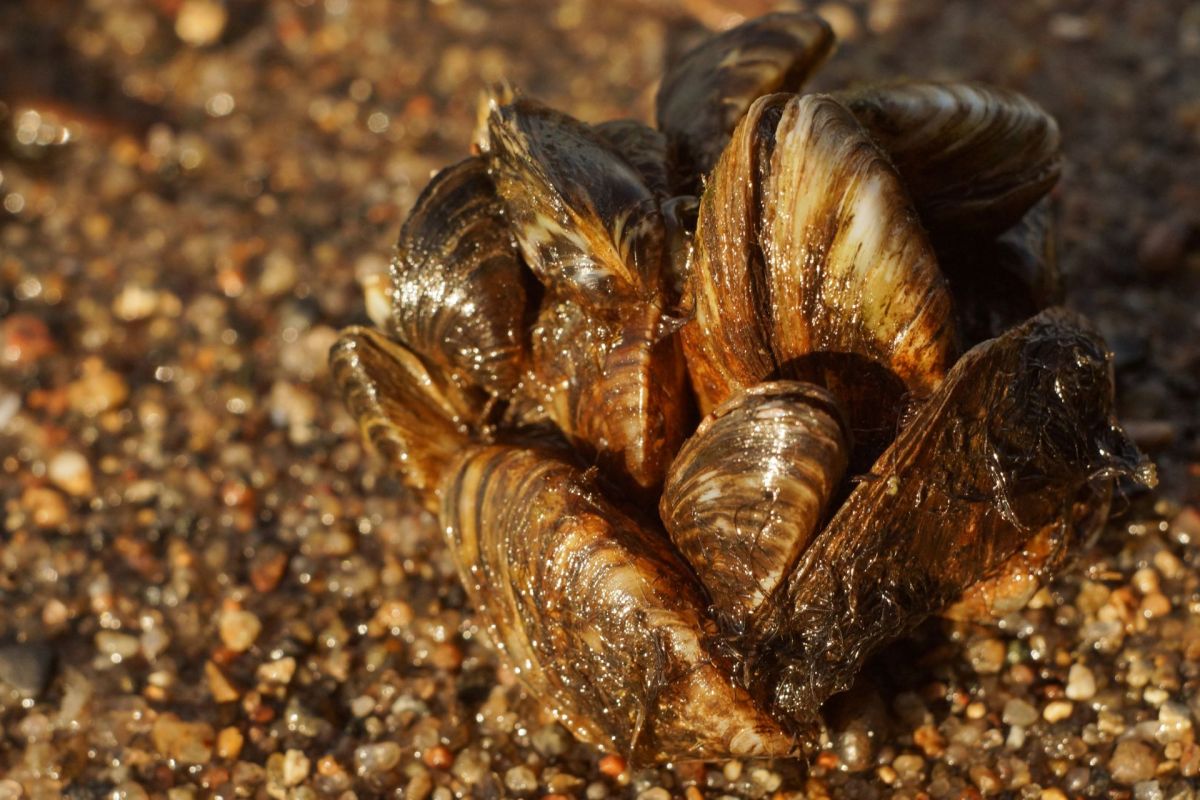
A destructive invasive species has gained a new foothold in the Texas Panhandle, and wildlife officials say the problem could soon get worse.
The discovery of the species in a lake near Amarillo is raising fresh concerns for boaters, anglers, and even other Western states that have so far avoided the destructive animal.
What happened?
According to a report from Fox 4 News, Lake Meredith now has an established population of zebra mussels.
According to the Texas Park and Wildlife Department, cited by Fox 4 News, evidence emerged in two ways: a U.S. Geological Survey monitoring effort detected zebra mussel larvae in late May, and fishermen separately found mussels attached to a chair pulled from the lake and notified the National Park Service.
Afterward, TPWD staff checked several shoreline sites and found settled mussels at each one, showing the species is now reproducing in the lake.
Fox 4 News reported that the mussel species are native to Russia and parts of southeastern Europe but can significantly alter marine ecosystems in the U.S.
TCD Picks » Quince Spotlight
💡These best-sellers from Quince deliver affordable, sustainable luxury for all




"Unfortunately, detection of zebra mussels at Lake Meredith is a continuation of a trend in recent years of westward spread of this highly invasive species to new Texas lakes and this new infestation in a new river basin in the Panhandle provides a particularly concerning steppingstone for further spread to uninvaded western states," Monica McGarrity, TPWD senior scientist for aquatic invasive species, said.
Across Texas, zebra mussels have been recorded in 40 lakes, and 35 of those have been officially classified as infested, Fox 4 News reported.
Why does it matter?
Zebra mussels may be small, but they can cause enormous damage.
In addition to causing harm to native marine species, zebra mussels can also damage water supply systems and boats.
In Texas, the spread of the species could mean tens of millions of dollars going to mitigating the invasive species before it spreads across the West.
What's being done?
Once zebra mussels become established, removing them is extremely difficult.
Officials say the species often spreads when boats or equipment leave infested water without being properly cleaned and then enter another lake.
Officials are urging boaters and anglers to clean boats and equipment before entering another body of water.
"As boaters visit waterbodies anywhere in the state – or visit from other states, it's important they take steps to properly clean, drain, and dry boats, or have vessels stored in invaded lakes professionally decontaminated," McGarrity told Fox 4 News.
"These important steps not only prevent the spread of zebra mussels and other aquatic invasive species but also help anglers avoid facing state fines or even delays for watercraft decontamination as they travel between states," McGarrity added.

Get TCD's free newsletters for easy tips, smart advice, and a chance to earn $5,000 toward home upgrades. To see more stories like this one, change your Google preferences here.







