


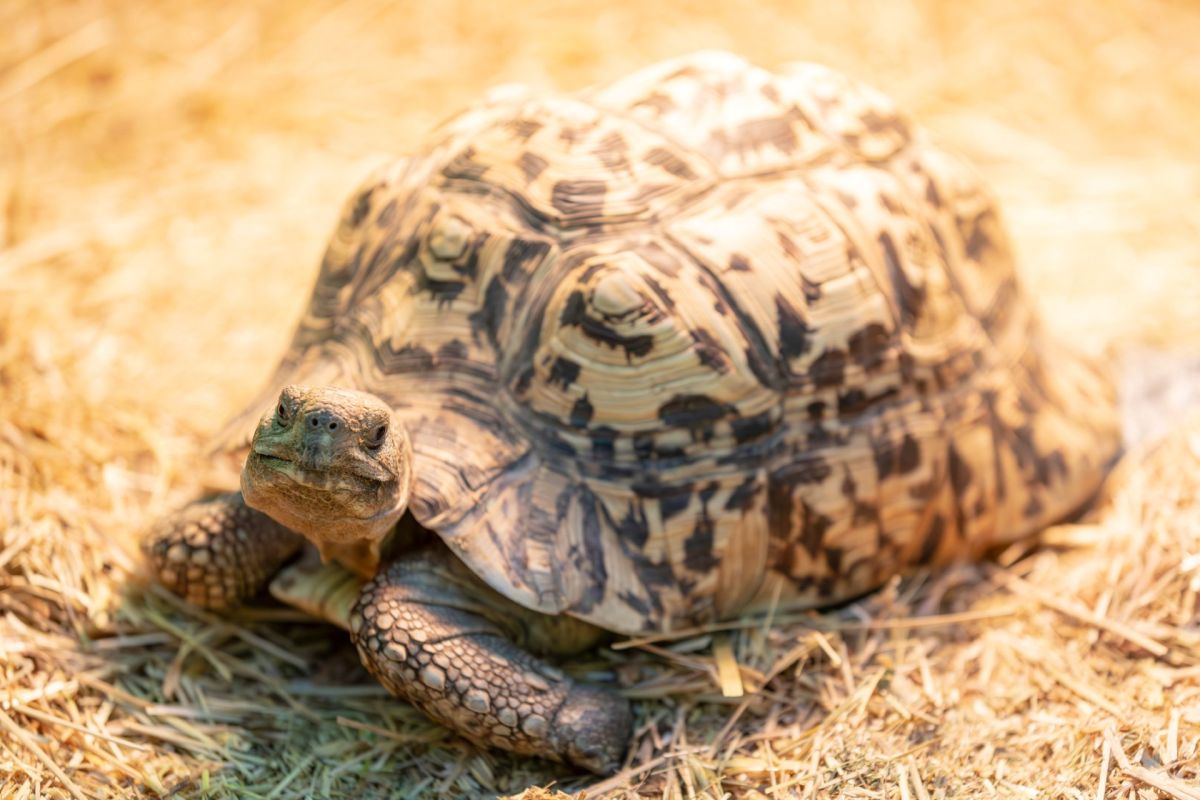
Pet tortoises on Guernsey, an island in the English Channel, are making unexpected journeys as soaring temperatures appear to be turning quiet enclosures into launch pads for escape attempts.
For local animal rescuers, the sudden spike is more than a quirky summer story — it is a reminder that heat can quickly create problems for pets, owners, and already busy community services.
What's happening?
In just one 24-hour stretch this week, the Guernsey Society for the Prevention of Cruelty to Animals took in four stray tortoises — an unusual run of cases that, as UPI reported, has rescuers on Guernsey describing the situation as an epidemic of escapes.
The unusual burst of escapes has come during a spell of hot weather, which is making the reptiles more active than many owners may expect.
During the hotter months, this is a recurring issue: the Guernsey SPCA told UPI it typically deals with about 20 to 30 tortoises that are lost or have broken out each year.
With temperatures still rising, Guernsey SPCA manager Steve Byrne said he expects the problem could continue. "Tortoises are surprisingly good climbers and escape artists, and the warmer weather often encourages them to become more active and travel further than owners might expect," Byrne told the BBC.
TCD Picks » Quince Spotlight
💡These best-sellers from Quince deliver affordable, sustainable luxury for all




He added that male tortoises can be especially prone to roaming, sometimes leaving their enclosures while searching for mates.
Why does it matter?
A missing pet can quickly become a stressful emergency, especially during heat waves, when exposure, dehydration, traffic, or encounters with other animals can put escaped pets at risk.
Every escaped tortoise that needs to be collected, checked, housed, and reunited with its owner adds pressure to local animal welfare groups already managing summer demands. When rescue capacity is tied up by preventable incidents, that can delay help for other animals in need.
Hotter conditions can also change animal behavior in ways people do not always anticipate. Even pets known for moving slowly can become surprisingly determined when temperatures rise, and owners may not realize their current setup is no longer secure.
What can I do?
The Guernsey SPCA is urging tortoise owners to check their setups now, rather than after a pet disappears. That means regularly inspecting enclosure walls and edges, looking for corners that can be climbed, and making sure the space is fully enclosed.
Owners may also want to rethink how heat changes their pet's routine. A tortoise that seemed content in cooler weather may become far more active during warm spells, so barriers that once worked may no longer be enough.
The SPCA also recommends microchipping, which can help a found tortoise get back to its owner faster and cut down on the time rescue organizations spend trying to identify where it belongs.

Get TCD's free newsletters for easy tips, smart advice, and a chance to earn $5,000 toward home upgrades. To see more stories like this one, change your Google preferences here.






