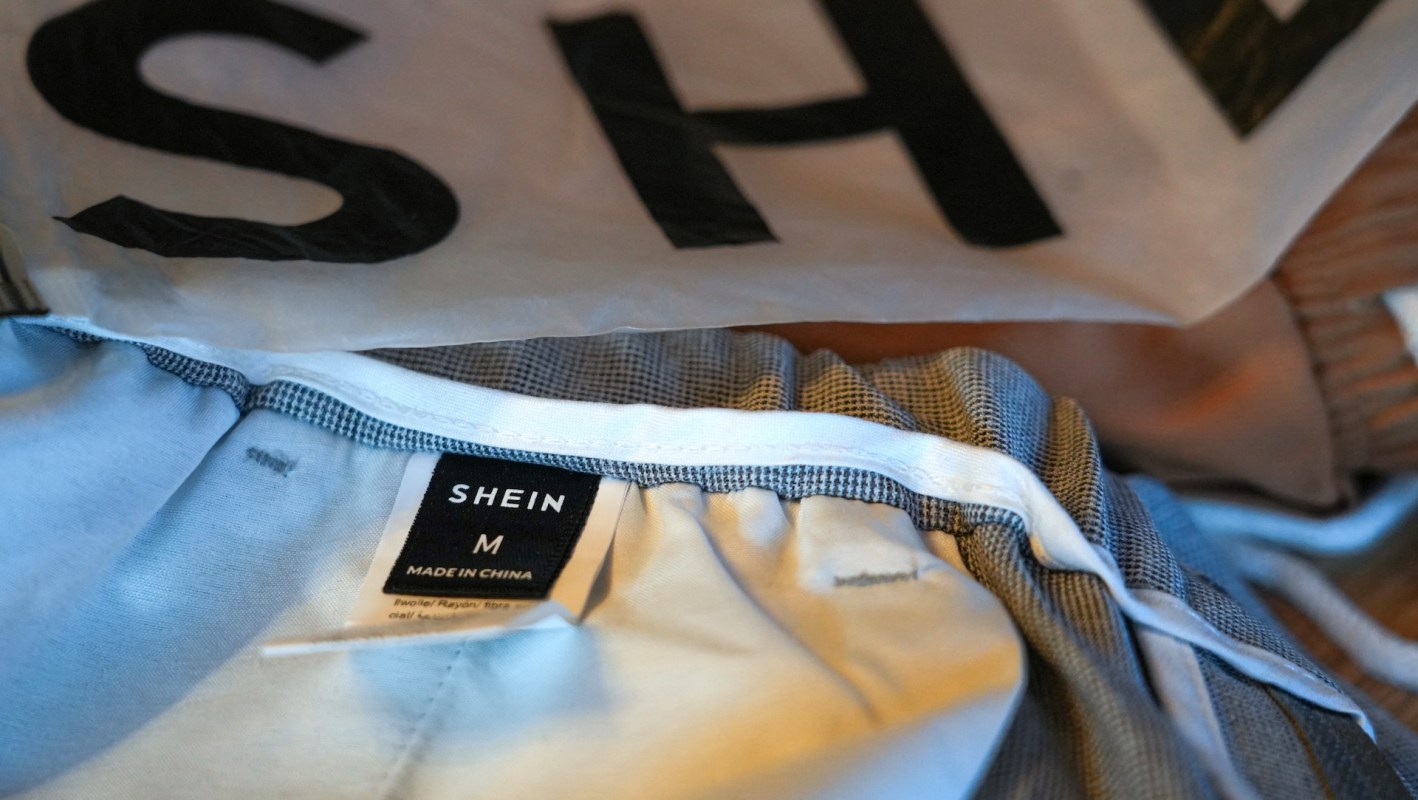
A Reddit post about a coworker's excitement over a Shein order is striking a nerve online for a simple reason: The purchase wasn't just cheap — it was openly treated as disposable.
That "use it once and throw it out" mindset captures much of what frustrates people about fast fashion culture and why so much everyday shopping now feels bound up with a growing waste crisis.
What happened?
In a post on Reddit's r/Anticonsumption, the original poster described an awkward workplace conversation that quickly turned into a debate about fast, disposable shopping.
"My new coworker was telling me how excited she was for her Shein order and before I could respond she told me how it's great because you can use the stuff once and then throw it out," the poster wrote.
"At first I immediately tried to state my case of how terrible it is for the earth and for your own well being but I could tell she didn't care at all and I didn't want to come off annoying or self righteous or anything."
When the order came up again the next day, the OP said they looked through it and saw "$50 of pure junk," including "probably 10 different keychains."
TCD Picks » Quince Spotlight
💡These best-sellers from Quince deliver affordable, sustainable luxury for all




For the OP, the moment highlighted the gap between "someone who knows it's all landfill junk" and "someone who thinks the stuff is cute and cheap."
Why does it matter?
Ultra-cheap accessories and fast-fashion items are often designed to be replaced quickly, which can mean more packaging, more wasted materials, and more items ending up in landfills after little or no real use.
When disposable products become the norm, thoughtful shopping can start to feel inconvenient or even outdated, even though buying secondhand, reusing what you already have, and choosing better-made items can save money over time while reducing waste.
Ideas for stricter regulations came up repeatedly in the replies, with some people arguing that companies should be held more accountable for the waste their products generate and others pointing to trash-based fees or packaging rules as ways to curb single-use goods.
That growing anger reflects a broader demand for systems that do not reward the production of mountains of short-lived stuff.
What are people saying?
The replies were split between encouraging a gentle nudge and questioning why anyone should act excited about the purchase at all.
One wrote, "Plant the seed of doubt - 'they're cute, but I love hunting secondhand bargains on Vinted.'"
Others were far blunter.
"Why did you fake enthusiasm?" another asked, "You can refuse to get excited about something that is gross and bad."
A separate group focused less on the coworker and more on broader waste policy.
"People need to start sorting and paying by weight for all their trash production, there should likewise be an extra tax on every product based on waste and natural breakdown or recycling timelines," one person suggested.
And for at least one reader, the post hit close to home. "I'm ashamed to admit that I was like this too some years ago," they said. "Growing up in an over consuming environment makes you believe that there's nothing wrong with your actions because it's 'normal' and everyone does it."

Get TCD's free newsletters for easy tips, smart advice, and a chance to earn $5,000 toward home upgrades. To see more stories like this one, change your Google preferences here.