


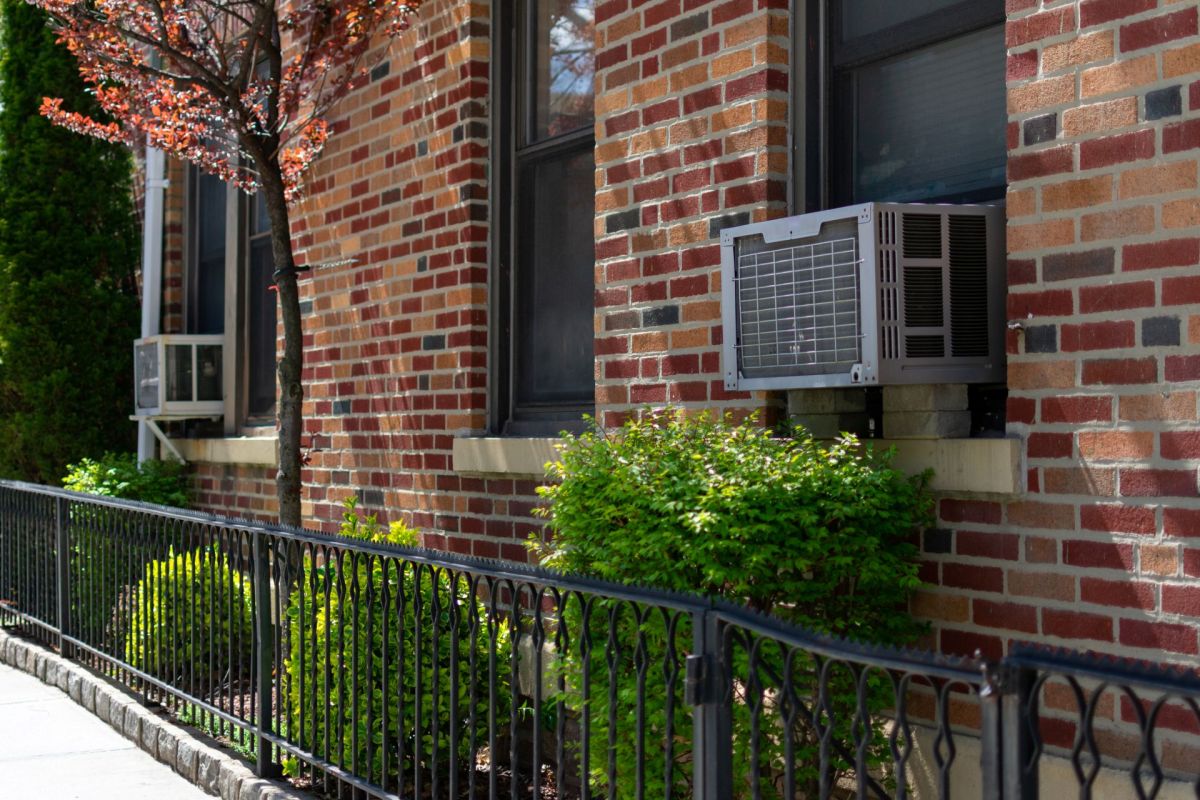
Summer heat in South Carolina is straining more than comfort levels. As temperatures rise, households are also devoting a noticeable share of their income to electricity bills to keep homes cool.
That places South Carolina among the 10 states carrying the highest summer cooling cost burden in the country.
What's happening?
A recent ConsumerAffairs analysis cited by WCBD placed South Carolina 10th nationwide for summer cooling cost burden, a measure based on how much of a household's income goes toward electricity.
In South Carolina, that burden comes to about 3.2% of monthly income, based on an average summer electric bill of $194 and a median monthly household income of $5,994.
The picture has improved since 2020. Researchers said the share of household income going to summer electricity costs fell from 3.8% in 2020 to 3.2% in 2025, the largest drop among the states currently in the top 10.
Across the country, Alabama, Mississippi, and Louisiana had the highest cooling cost burdens. South Carolina trailed Georgia and West Virginia, while Washington, Alaska, and Colorado were among the states with the lowest burden.
TCD Picks » Quince Spotlight
💡These best-sellers from Quince deliver affordable, sustainable luxury for all




Why does it matter?
The impact reaches well beyond South Carolina. Citing the U.S. Energy Information Administration, 7.5 million households said their home was kept at an "unhealthy temperature" in 2024, and 8.2 million said they could not use air conditioning.
The reasons extend beyond hot weather alone.
Alexis Abramson, dean of the Columbia Climate School, said, "In an effort to keep electricity prices low for consumers, maintenance of and upgrades to our electricity grid have long been deferred."
The analysis also pointed to rising demand and swings in natural gas prices as added pressures that can push costs higher for families.
What's being done?
Modernizing the electric grid was described as the primary answer.
Abramson said, "The country needs new transmission lines and significant upgrades to its distribution system. … Utilities are passing those modernization expenses directly to ratepayers."
Better infrastructure is needed to improve reliability and handle intense demand, but those same upgrades can also raise short-term costs for customers. For residents, that can mean paying more now for a system that may still struggle under extreme conditions.
Researchers said, "Since 2020, no state in the current top 10 has seen electricity costs as a percentage of income fall more than South Carolina."
Cooling costs are likely to remain a major summer expense, even as affordability appears to be improving compared with a few years ago.
Researchers added that residents "still face a burden when it comes to summer cooling."

Get TCD's free newsletters for easy tips, smart advice, and a chance to earn $5,000 toward home upgrades. To see more stories like this one, change your Google preferences here.






