


Summer heat can make electric bills feel nearly as brutal as the weather itself. For Virginia households trying to stay cool without overspending, Dominion Energy says the biggest opportunity to cut costs may come from the system doing most of the work.
What's happening?
Dominion spokesperson Cherise Newsome told WAVY that electricity use usually climbs the most in summer and winter, when heating and cooling needs are highest, and bills tend to rise with them.
If an air conditioner seems to be running nonstop, that may explain a lot. HVAC use can account for more than half of a home's energy consumption during peak seasons.
"When you look at it, about 52% of your energy use comes from your HVAC system, so when you're cooling your home in the peak of summer, then the more you use that, then the more your bill is going to be," Newsome said.
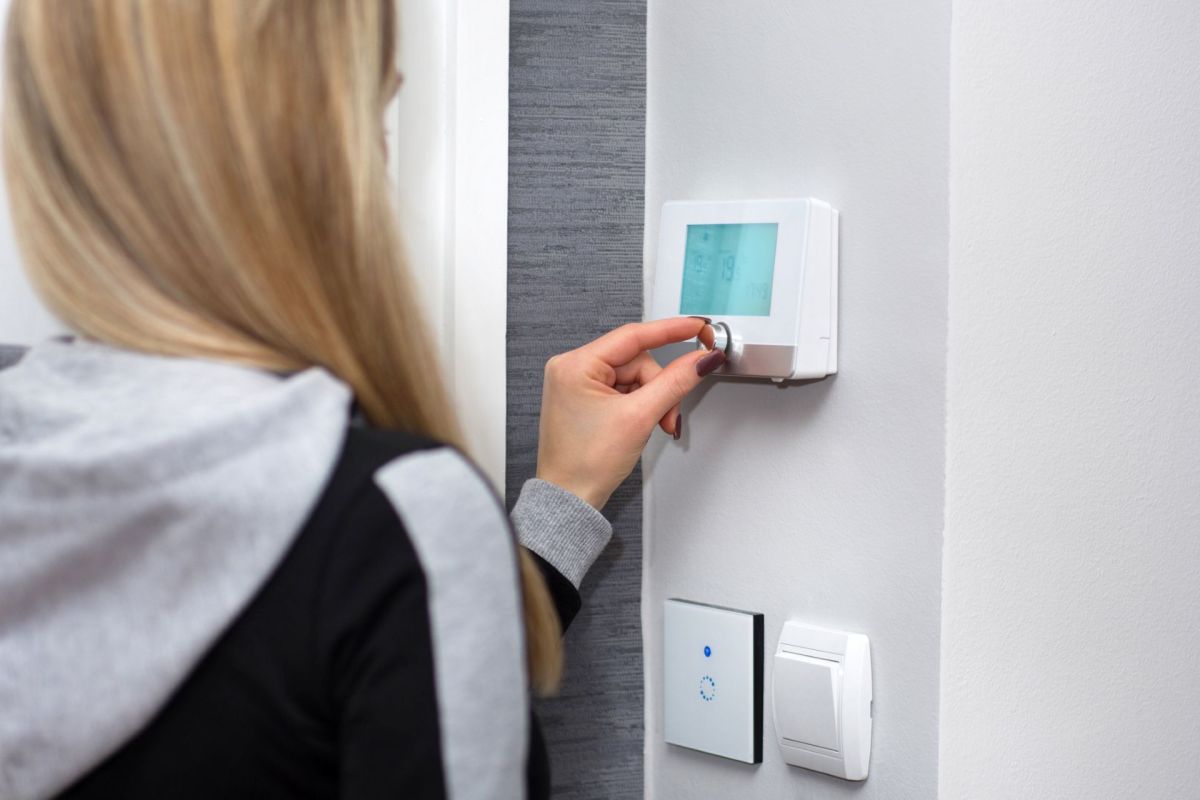
To bring those costs down, Newsome suggested to the network that increasing the thermostat by two or three degrees and sealing gaps around doors and windows would keep cooled air inside. WAVY reported that this kind of weatherization can help an air-conditioning system run less often.
Why does it matter?
If about 52% of household energy use is tied to HVAC, even small changes in how often that system runs can make a more noticeable difference than cutting back on smaller sources of electricity use.
TCD Picks » Quince Spotlight
💡These best-sellers from Quince deliver affordable, sustainable luxury for all




During long stretches of high temperatures, raising the thermostat by a couple of degrees can reduce how hard an AC unit has to work during the hottest parts of the day.
While that will have an impact on comfort, running a fan or using a dehumidifier are other ways to make it feel cooler without straining your unit.
Sealing leaks around windows and doors can also keep cooled air from slipping outside. Reducing unnecessary energy use can also ease strain on the power grid during periods of peak summer demand.
What can I do?
Start with the basics in raising the thermostat by two to three degrees and look for air leaks around doors and windows.
Dominion also noted to WAVY that customers who are struggling have several forms of assistance available. PIPP, the Percentage of Income Payment Program, allows eligible households to make payments based on income, while the crisis program is aimed at people who may be at risk of disconnection, the station said.
Another option is Dominion's Energy Share program. WAVY reported that it is not income-based, meaning anyone facing financial hardship can apply, and it can provide up to $300 in summer bill assistance as well as help with weatherization services.
The network reported that Virginia's state budget recently renewed and expanded Energy Share, extending the program through 2038 with $17 million in annual funding.
"We are able to help more customers in need," Newsome told WAVY. "Because we recognize that costs are rising everywhere and putting a lot of pressure on household budgets, and so we want to be a part of the solution, and Energy Share is one of them."

Get TCD's free newsletters for easy tips, smart advice, and a chance to earn $5,000 toward home upgrades. To see more stories like this one, change your Google preferences here.






