


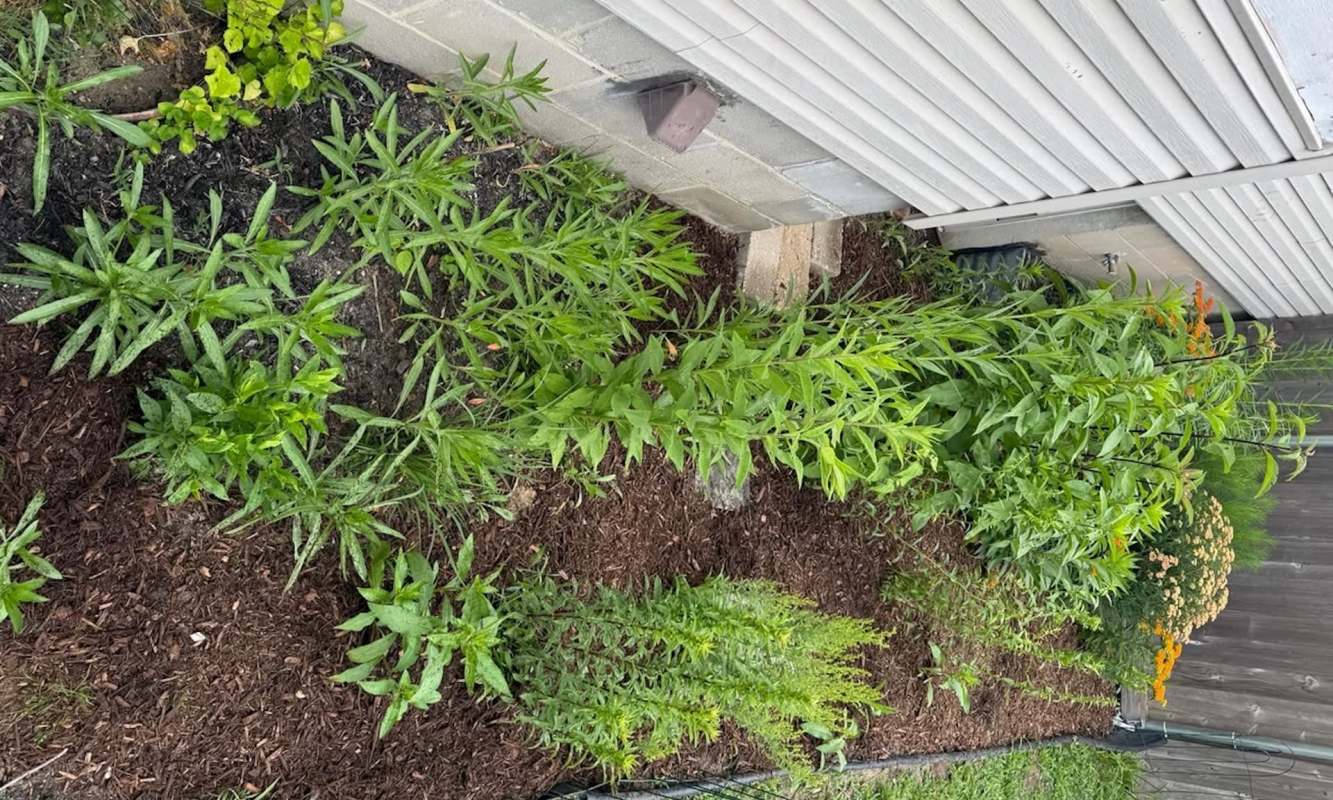
A Long Island gardener discovered that one native flower can multiply fast enough to raise questions.
What started as a single common evening primrose in a side-yard patch soon became a scattering of new sprouts well beyond the original plant, leaving the gardener wondering whether a plant-identification app was making a mistake.
What happened?
On Reddit, the original poster wrote: "I'm on year two of this patch on the side of my house. I planted one common evening primrose last year and I can't believe how many have sprouted up in so many places and pretty far from the original plant."
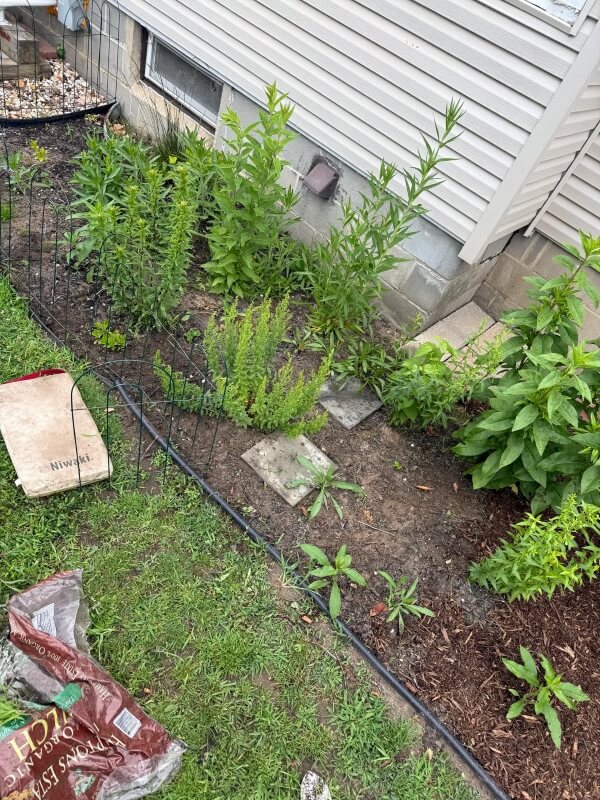
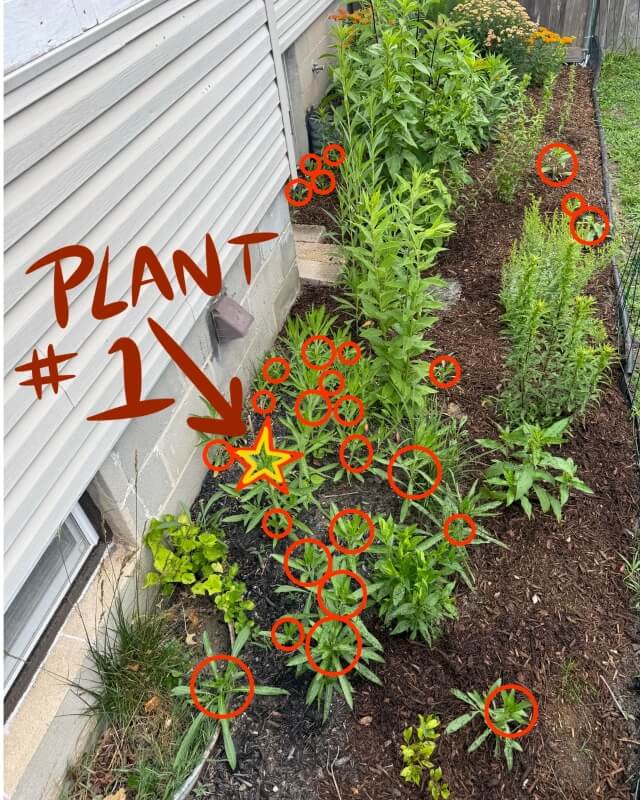
The replies were largely reassuring. Gardeners said this kind of spread is typical for common evening primrose, describing it as a native biennial that readily drops seed into open patches of soil.
One commenter put it simply: "Any bare spot of ground will be colonized. Just replace it over time and enjoy it while it persists as a biennial."
People in the thread also argued that the extra seedlings may be more useful than troublesome.
TCD Picks » Quince Spotlight
💡These best-sellers from Quince deliver affordable, sustainable luxury for all




Commenters highlighted the plant's value for pollinators and birds, and one wrote, "It reseeds like crazy... I've basically been using it as a cover crop... its massive taproot aerates the soil for me... the goldfinches will come swarming!"
Why does it matter?
Because common evening primrose is native, commenters said its spread can bring benefits for local wildlife, providing food and habitat that many ornamental imports do not.
Yards filled with native plants can support pollinators and birds, promote healthier soil, and often reduce the need for extra maintenance.
Plants that quickly fill bare spots can also help crowd out less desirable weeds over time.
Growing plants outdoors can support mental and physical health, provide regular low-impact exercise, and create a calming routine.
And for people who combine native plants with edible beds, a home garden can help save money on produce while delivering fresher, better-tasting fruits and vegetables.
For more on building an edible space, check out TCD's guide to growing your own food.
What can I do?
The thread's advice was to manage the plant, not fear it.
Commenters generally suggested keeping the evening primrose where it is welcome, thinning it where it is not, and remembering that biennials can change from season to season.
For gardeners who want a fuller shape, one commenter suggested cutting stems back partway to encourage a bushier clump instead of "one tall endless stem."
That same commenter also recommended removing unwanted seedlings early, adding: "Better a primrose than invasive weed!"
Hand-pulling, selective thinning, and dense planting can all help keep a garden in balance without chemicals. TCD has more tips for controlling weeds without chemicals and controlling pests without chemicals.

Get TCD's free newsletters for easy tips, smart advice, and a chance to earn $5,000 toward home upgrades. To see more stories like this one, change your Google preferences here.







