


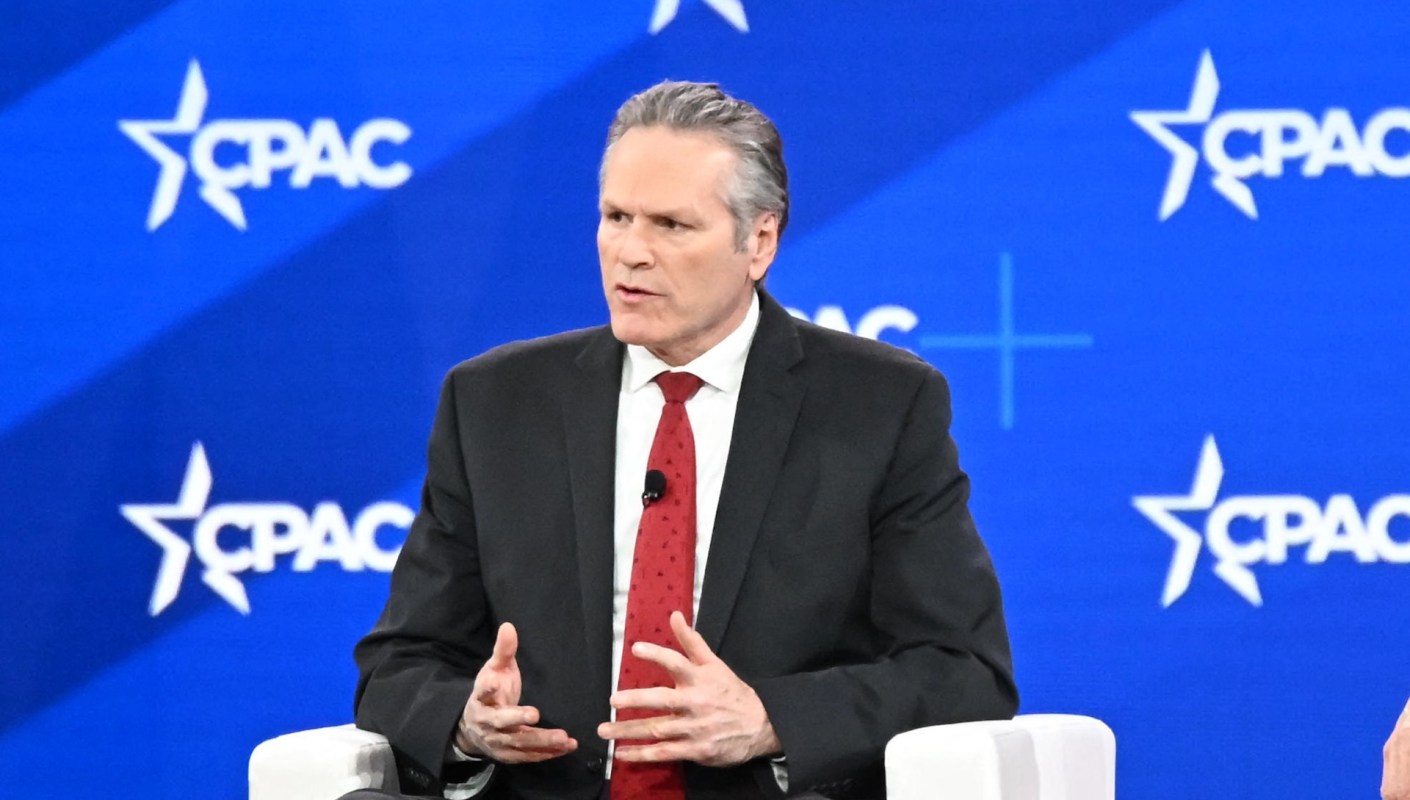
This summer, Alaska Gov. Mike Dunleavy wants state lawmakers back in session to continue passing tax breaks for a huge methane gas project supported by President Donald Trump.
The Alaska LNG plan is central to the push. The project includes a roughly 800-mile pipeline and terminal that critics warn could saddle Alaskans with serious environmental and financial consequences.
What happened?
The governor scheduled special legislative sessions so lawmakers can consider incentives for Alaska LNG. TruthOut described the project as a gas export terminal on the Cook Inlet connected to a pipeline.
The estimated cost has climbed as high as $54.4 billion, and lawmakers in both parties are questioning whether the promised benefits will materialize.
Many Republican legislators are focused on monetizing the region's liquefied natural gas, or LNG. The Dunleavy administration is pushing aggressively for the project before he leaves office.
Yet critics say it would bring construction through wildlife habitat, expand industrial activity near Indigenous communities, and depend on tax breaks that could leave Alaskans to help finance a project meant to send fuel overseas, per TruthOut.
TCD Picks » Quince Spotlight
💡These best-sellers from Quince deliver affordable, sustainable luxury for all




"This gas project can't go through," Rosemary Ahtuangaruak, a former mayor of Nuiqsut and founder of Grandmothers Growing Goodness, told the outlet. "We should not be doing this just so some people can line their pockets today without thinking about tomorrow."
Why does it matter?
Opponents say the pipeline and export terminal would deepen environmental issues by increasing fossil fuel extraction and accelerating Arctic permafrost thaw. They also warn it could disrupt subsistence hunting and fishing grounds that many Alaska Native communities rely on.
The concerns extend well beyond Alaska, though. Fossil fuel power plants contribute to air and water pollution linked to asthma, heart disease, cancer, and premature death, while fuel-price volatility impacts everyone's bills.
Critics also say industry lobbying continues to delay cleaner, cheaper energy solutions that would protect families and lower costs.

Get TCD's free newsletters for easy tips, smart advice, and a chance to earn $5,000 toward home upgrades. To see more stories like this one, change your Google preferences here.






