


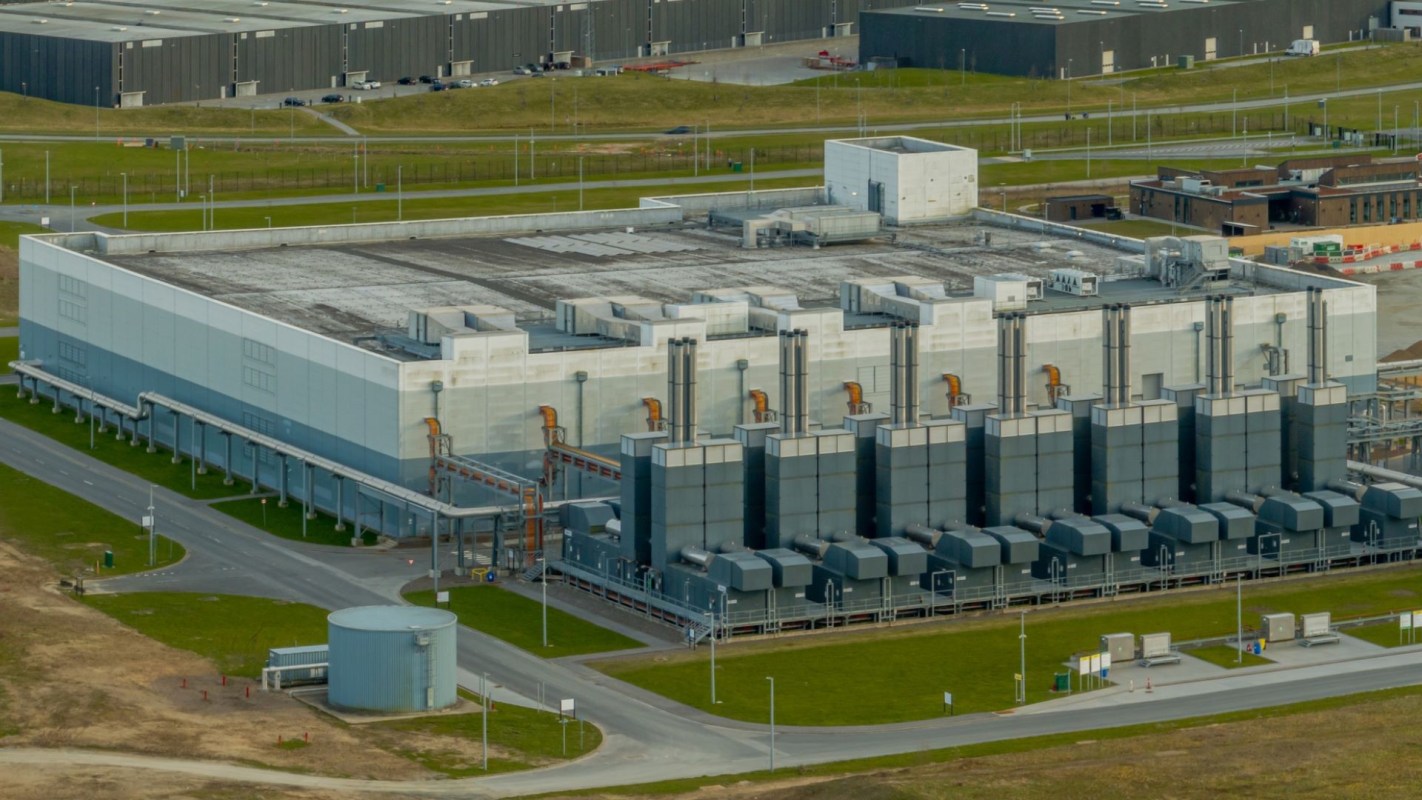
Texas lawmakers are taking a closer look at a fast-growing part of the AI economy: data centers and how much water they use.
Only about 17% of the hundreds of facilities the state surveyed had responded, officials said at a recent hearing.
What happened?
According to Texas Public Radio, committee members warned that sparse reporting is leaving Texas with major gaps as it tries to prepare for future water shortages amid growth, drought, and aquifer depletion.
Data centers are increasingly tied to artificial intelligence, cryptocurrency mining, and the digital tools people use every day.
State Representative Cody Harris said, "Data centers have become a hot-button issue, dominating social media feeds and news reports… The transparency of utilization of resources shouldn't be optional."
The Texas Water Development Board identified 341 data centers in its 2025 survey, up from 22 in 2023.
TCD Picks » Quince Spotlight
💡These best-sellers from Quince deliver affordable, sustainable luxury for all




But Temple McKinnon, who oversees water supply planning for the board, said the agency still lacks the facility-level detail needed to sort water use among cooling, on-site power generation, and other operations.
"Our survey doesn't get into that level of facility detail," McKinnon said, per TPR.
Why does it matter?
A key question is whether Texas can confidently plan for its water needs over the next 50 years with so little participation from industry.
State Representative Brad Buckley summed it up directly: "So we're building a state water plan off of a 17% response rate. Is that an overstatement? I mean, that is a terrible response rate."
Lawmakers also heard about a more local threat. In rural counties without a groundwater conservation district, a data center may be able to drill a well and pump groundwater without a local authority restricting withdrawals. That could allow a large facility to draw from the same aquifer used by nearby households, agricultural operations, and smaller public water providers.
The discussion also reflects AI's growing ties to the energy grid. The infrastructure behind those tools can require enormous amounts of electricity and water.
That demand can strain power plants and raise broader concerns about resource use and the pace at which the technology is expanding.
What are people saying?
Lawmakers appeared increasingly frustrated during the hearing. Harris criticized companies that fail to answer basic questions from communities or lawmakers, saying the lack of response is fueling distrust.
State Representative Trent Ashby was especially direct about unregulated groundwater pumping: "That's a broken system."
McKinnon said the state is still working to fill in the gaps when companies do not respond.
"It's kind of like — I like to call it forensic accounting, in a way," McKinnon said, per TPR. "We ask these folks to report directly, but we're also looking at many other methods to assess water use."

Get TCD's free newsletters for easy tips, smart advice, and a chance to earn $5,000 toward home upgrades. To see more stories like this one, change your Google preferences here.






