


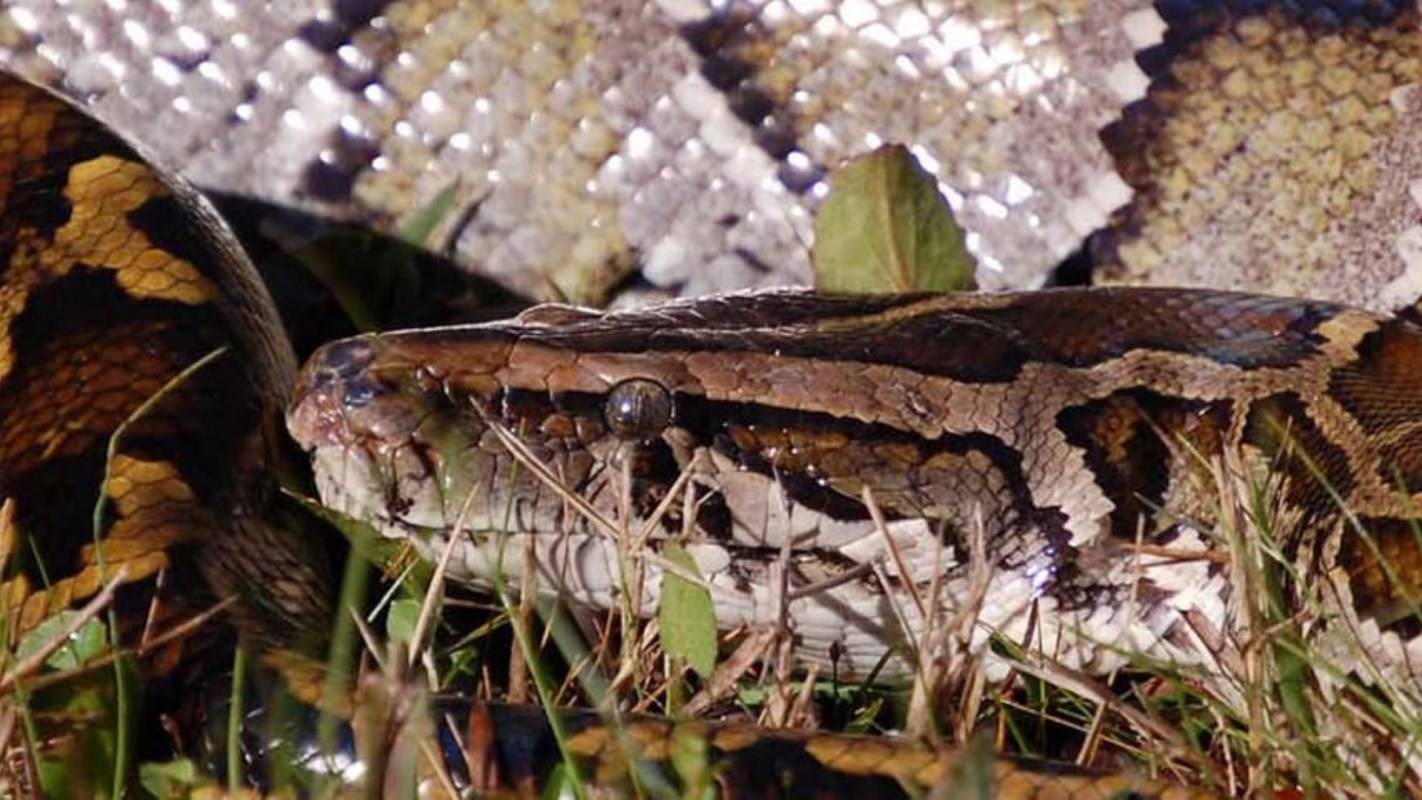
To combat the Burmese python, one of the region's most destructive invasive species, Florida is once again opening the Everglades to the public.
A $10,000 prize awaits the competitor who removes the most pythons during the 10-day event, which is expected to draw about 1,000 snake hunters to South Florida in July.
What's happening?
Anyone joining the 2026 Florida Python Challenge must register and complete an online training course. The hunt begins just after midnight on July 10 and ends at 5 p.m. on July 19.
Beyond the $10,000 top prize, another $15,000 will be distributed to winners in novice, professional, and military divisions, as WGCU reported.
The species is thought to have gained a foothold in South Florida after exotic pet owners likely released snakes in the 1990s, when the snakes became too large to manage.
Burmese pythons are native to parts of Asia and were never meant to inhabit the Everglades, yet their population has since expanded across the region.
TCD Picks » Quince Spotlight
💡These best-sellers from Quince deliver affordable, sustainable luxury for all




The snakes may still number in the hundreds of thousands across a range stretching from south of Lake Okeechobee to Key Largo and from western Broward County to Collier and Lee counties. That is despite the more than 23,000 Burmese pythons the Florida Fish and Wildlife Conservation Commission says have been removed from the Everglades since 2000.
Why does it matter?
The Everglades is a vital ecosystem that supports native wildlife, local communities, and the environmental health of South Florida. When invasive predators such as Burmese pythons spread unchecked, they can sharply reduce populations of native mammals, birds, and reptiles.
Those impacts do not stop with wildlife. A healthier Everglades helps protect biodiversity, supports recreation and tourism, and plays a major role in the region's water system. Efforts to control invasive species are part of the broader work of protecting a landscape that millions of Floridians rely on, whether directly or indirectly.
Releasing nonnative pets into the wild can cause damage that lasts for decades.
What's being done?
State officials have acknowledged that the event will not solve the python problem on its own. A U.S. Geological Survey assessment found that a short-term public hunt is not a realistic way to fully eradicate the species, although it can still remove some snakes and educate participants.
So far, no tool tested by scientists and wildlife managers has worked well enough to rein in the python population at the necessary scale. Methods used over the years include heat-detection equipment, pheromone bait, trained dogs, and radio telemetry.
To make concealed snakes easier to find, researchers are experimenting with a so-called "robobunny" — a dummy rabbit meant to lure hidden pythons into the open.
"We'll keep doing everything we can to protect this important ecosystem," said "Alligator Ron" Bergeron, a governing board member of the South Florida Water Management District, per WGCU. "Removing Burmese pythons from this ecosystem is critical to the survival of the native species that call this area home."

Get TCD's free newsletters for easy tips, smart advice, and a chance to earn $5,000 toward home upgrades. To see more stories like this one, change your Google preferences here.







