


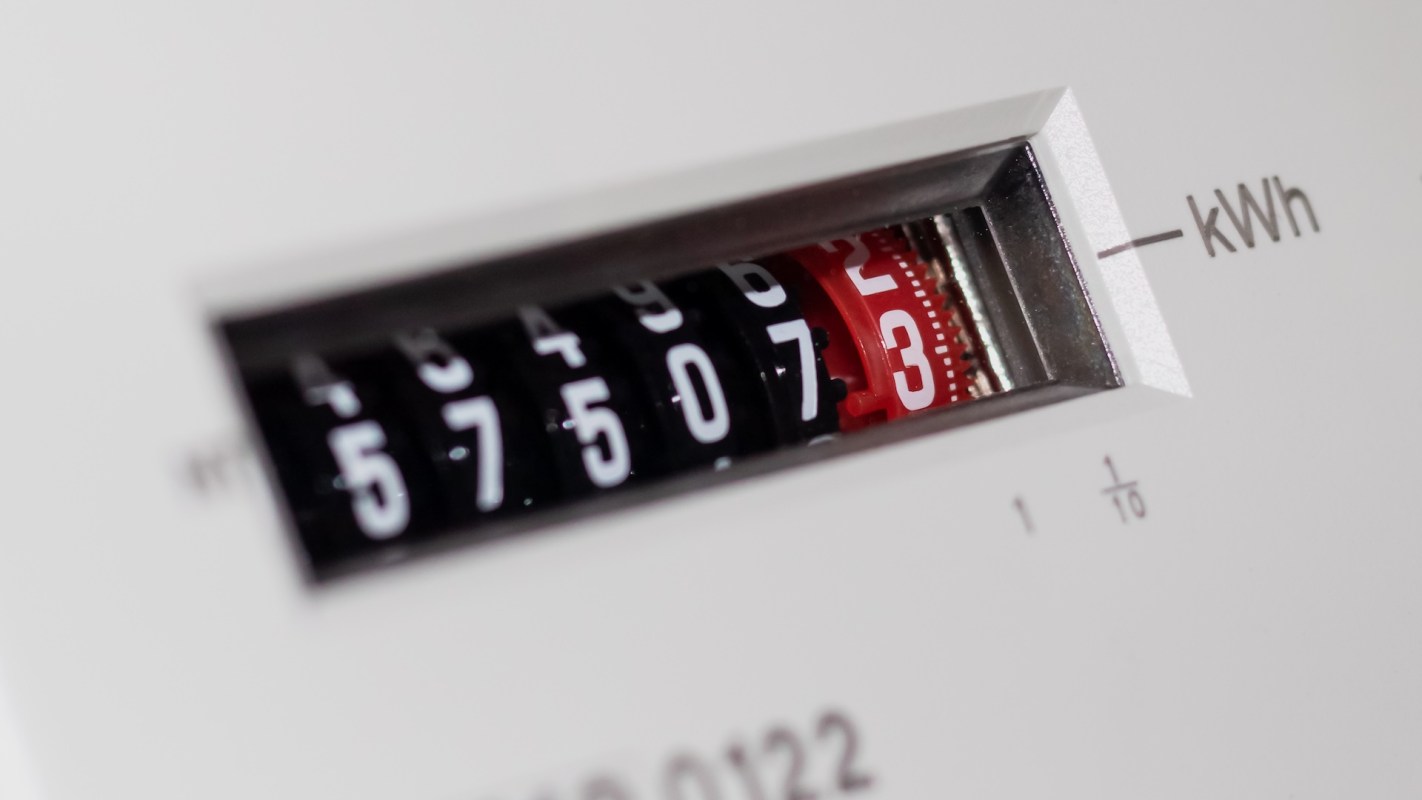
A case before Virginia regulators could increase electricity costs for hundreds of thousands of Appalachian Power customers.
For families already juggling rent, groceries, and utility expenses, the proposal could affect not only how much they pay for electricity but also when those costs hit.
What's happening?
According to Cardinal News, about 540,000 Appalachian Power customers in Western Virginia, including roughly 466,000 residential customers, could get higher bills if the State Corporation Commission approves the utility's latest request.
For the average residential customer, the proposed base-rate increase would add $9.10 per month, an increase of about 5.4%. Appalachian Power says the filing would bring in $61.4 million more each year in base-rate revenue and raise its profit margin 10.5%.
Appalachian Power President and COO Brian Abraham also characterized the framework as a way to address affordability concerns.
"The current economic climate is characterized by significant increases in the costs of living, including energy costs, and APCo understands very well the impact this has on its customers and the rates they pay for electric service," Abraham said, per Cardinal News.
TCD Picks » Quince Spotlight
💡These best-sellers from Quince deliver affordable, sustainable luxury for all




One of the proposals under consideration would reduce the rate for electricity used above 800 kilowatt-hours from December through March, when households with electric heat often see the biggest jumps in usage. Appalachian Power also wants to add an on-peak demand charge based on heavy electricity use during weekday daytime hours.
Why does it matter?
Around 26,000 customers are on the utility's budget billing plan, which lets them pay the same amount for 11 months and then make up any remaining balance in month 12. However, that has led to significant dissatisfaction due to high "settle up" charges, according to Cardinal News.
Additionally, about 60% of Appalachian Power's Virginia customers use electric heat, said Katharine Walsh, director of regulatory pricing and analysis for the American Electric Power subsidiary. That can lead to "disproportionately high winter heating bills."
"The current residential rate structure disadvantages higher usage customers, including electric heating customers," Walsh explained, per Cardinal News.
What's being done?
State regulators are expected to decide the rate increase and billing proposals by Jan. 15, and any approved changes would take effect no sooner than March 1.
A public hearing is scheduled for 10 a.m. Oct. 19. Customers can submit comments through the SCC website for case PUR-2026-00044.
Existing customers on the budget billing plan could remain on it even if new enrollments end, according to Cardinal News. The company said its average monthly payment plan would become the main alternative, using a rolling average for bills and spreading deferred balances over a full year instead of collecting them in one large payment.
"Small fluctuations in bill totals, as opposed to a potentially high one-time deferred balance payment, offer smaller, steady payments that make energy expenses more manageable, particularly for fixed-income and budget-sensitive households," Appalachian Power regulatory consultant Hallie Long said.

Get TCD's free newsletters for easy tips, smart advice, and a chance to earn $5,000 toward home upgrades. To see more stories like this one, change your Google preferences here.






