


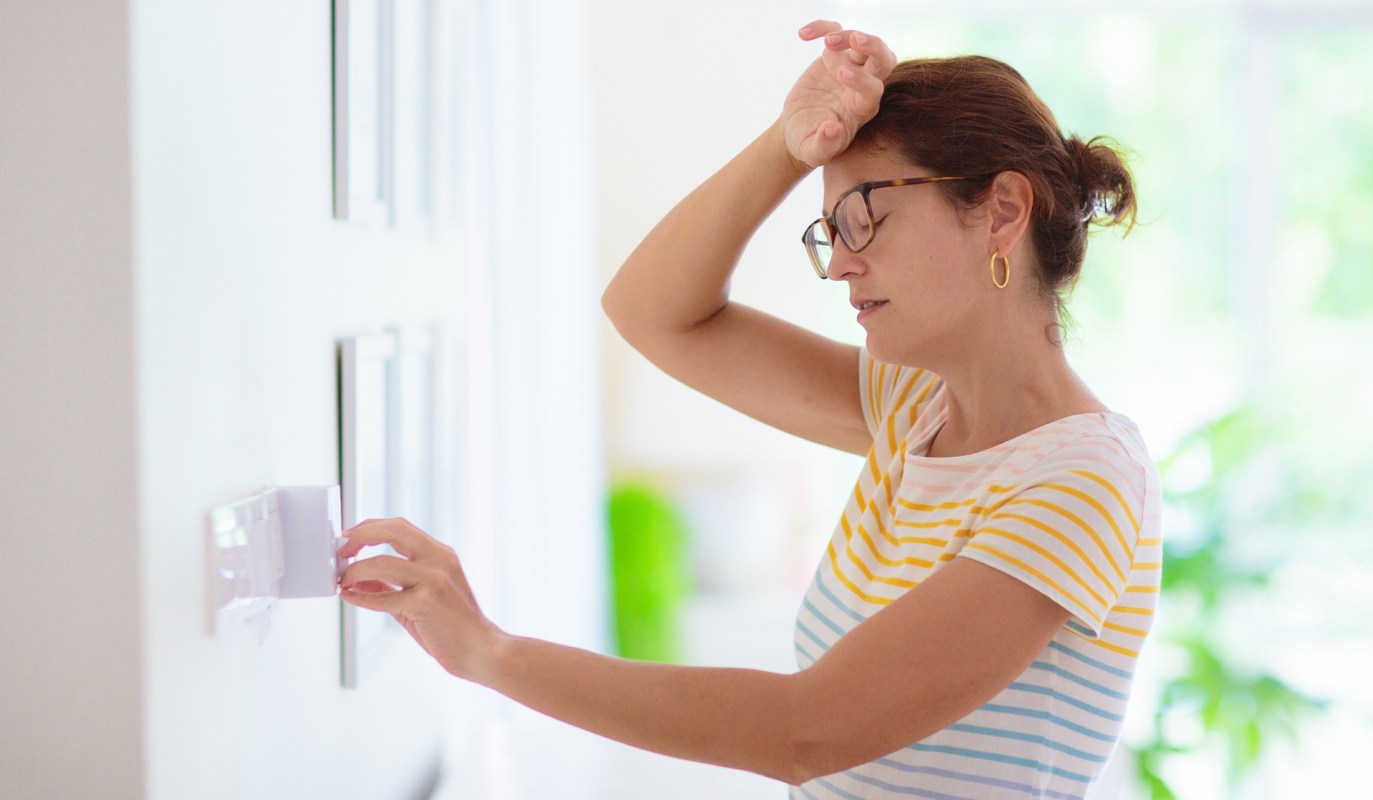
Central New York is heading into a stretch of heat that could make stepping outside feel more like opening an oven.
A relatively mild Sunday is set to give way to a hotter pattern, with several days ahead expected to record temperatures above 90 degrees Fahrenheit. With humidity expected to drive the "feels like" temperature into triple digits, the change could hit both daily comfort and household budgets.
What's happening?
According to WIBX, the steamiest stretch should run from Tuesday through at least Friday, when highs are expected to reach the 90s. The added tropical humidity could make Tuesday feel like the upper 90s, followed by apparent temperatures in the low 100s for several days.
Central New York residents may face extended stretches when it feels much hotter than the thermometer suggests. Heat advisories are also possible on multiple days.
Another concern is the UV Index, which should remain in the "very high" category for much of the week. Unprotected skin can burn in as little as 20 minutes during peak sun, so wearing sunscreen is essential.
Why does it matter?
Extreme heat is more than an inconvenience. It can raise the risk of dehydration, heat exhaustion, and heat stroke, particularly for older adults, young children, outdoor workers, and people with underlying health conditions.
TCD Picks » Quince Spotlight
💡These best-sellers from Quince deliver affordable, sustainable luxury for all




Monthly power bills can rise quickly in this kind of weather. When temperatures stay in the 90s and humidity remains high, air conditioners typically need longer run times, which can push household energy use noticeably higher.
The strain extends beyond individual households as well. Hot spells often bring heavier demand on the grid, which can increase costs and make outages even more disruptive if they occur.
What can I do?
One of the simplest ways to save money is to keep indoor temperatures from climbing in the first place. Closing blinds or curtains during the hottest hours, holding off on oven use in the afternoon, and sealing noticeable leaks around doors or windows can help keep cooled air inside.
If you use air conditioning, a slightly higher thermostat setting while you're home can reduce energy use without giving up too much comfort. Adding fans may help offset that change so the house still feels cool, which can trim costs over the course of a heat wave.
Keeping the system maintained can help as well. Checking or replacing HVAC filters supports efficient operation, which can reduce energy needs. Cooling only the rooms you're using, when possible, may lower demand, and if your home becomes unsafe in the heat, public libraries, malls, community centers, or local cooling centers may provide relief.
It's also wise to drink water regularly, limit strenuous outdoor activity during peak afternoon hours, wear sunscreen, and check on neighbors who may be more vulnerable.

Get TCD's free newsletters for easy tips, smart advice, and a chance to earn $5,000 toward home upgrades. To see more stories like this one, change your Google preferences here.






