


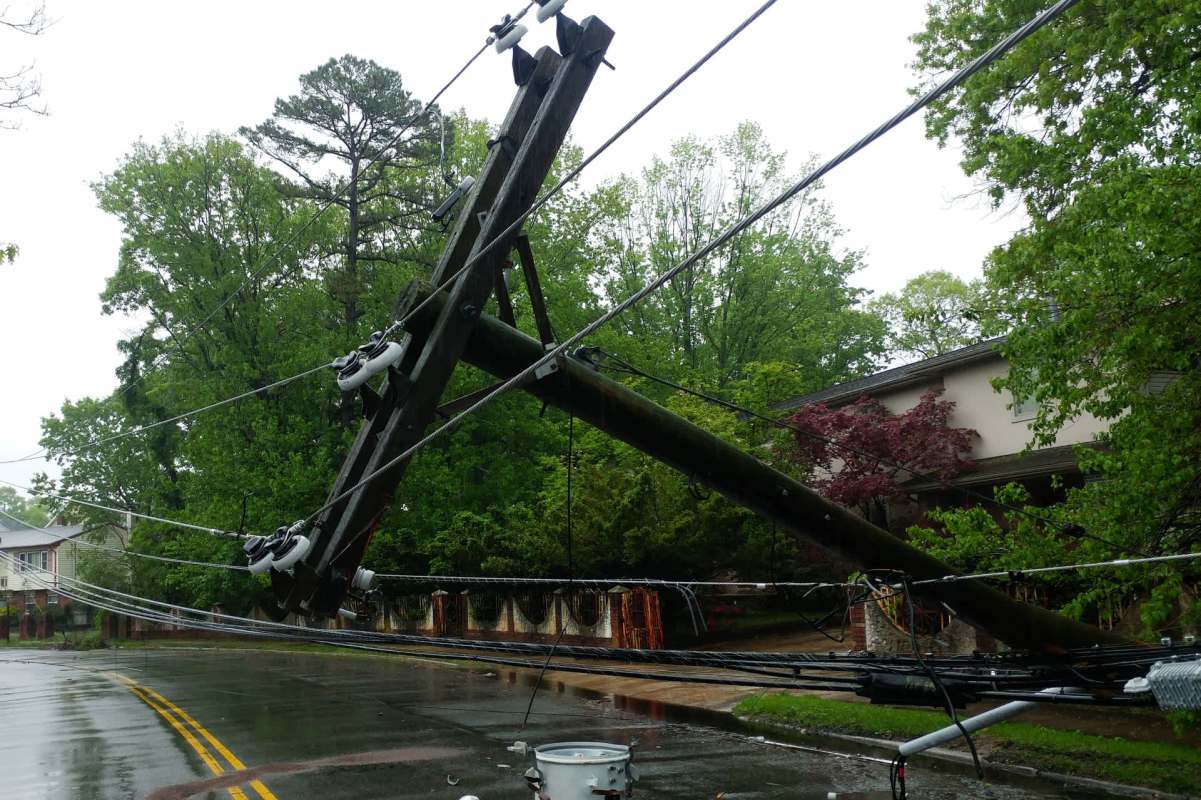
After outages tied to severe weather cut electricity to millions of U.S. homes last year, backup power has become more of a practical safeguard than an optional upgrade.
Against that backdrop, Consumer Reports tested six whole-house standby generators to compare which ones perform best when the grid goes down.
What's happening?
Consumer Reports compared six standby generators in lab tests, evaluating output, power quality, fuel consumption, noise, and ease of use.
These standby systems are designed to start automatically shortly after an outage and generally run on natural gas or propane, so no manual setup is needed in the middle of an emergency.
Among the higher-rated models were the larger Generac G007043, Briggs & Stratton 40786, and Kohler 20RCAL-200SELS. Consumer Reports also pointed to the Champion 100179, Champion 100177, and Cummins RS13A as options for smaller homes.
The results showed some clear differences: the Cummins model delivered the same output on natural gas as on propane; both Champion generators included transfer switches; and the Briggs & Stratton unit averaged 219 hours on propane.
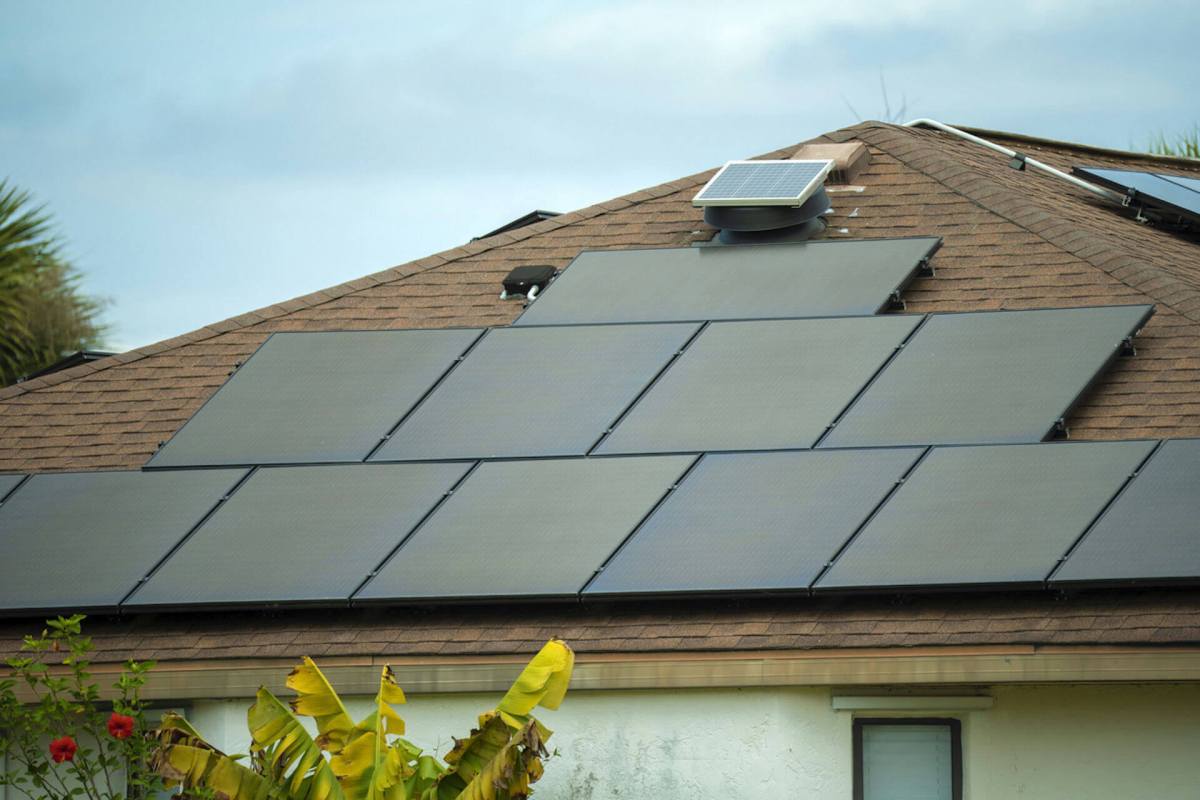
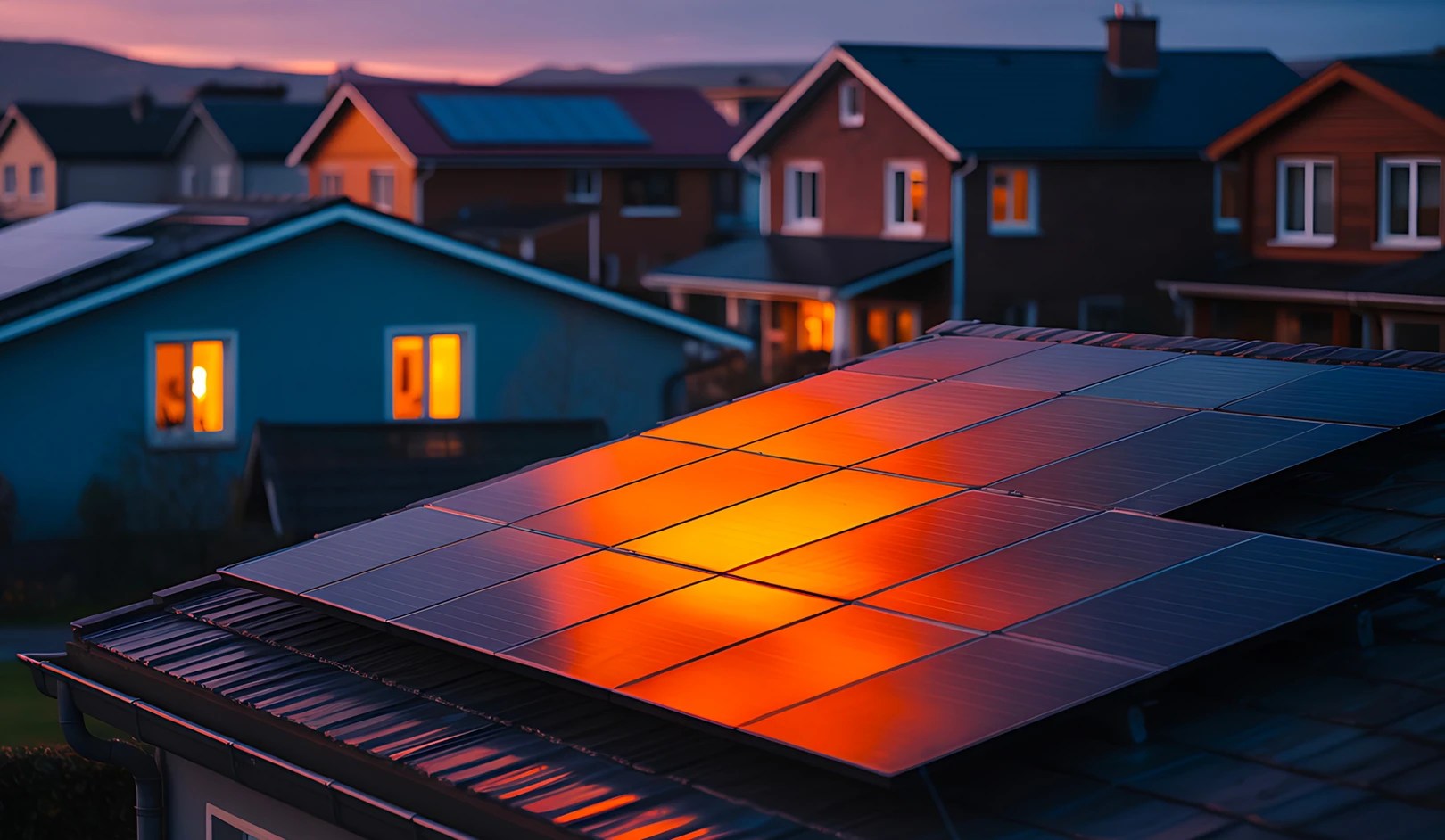
Aside from generators, installing solar panels with battery storage is one of the best ways to keep the lights on during an outage. Solar can also save householders money on home energy when the grid is operational.
Free tools from EnergySage can provide quick solar installation estimates and let shoppers compare quotes to see how much they could cut their power bills.
Save $10,000 on solar panels without even sharing your phone number Want to go solar but not sure who to trust? EnergySage has your back with free and transparent quotes from fully vetted providers that can help you save as much as $10k on installation. To get started, just answer a few questions about your home — no phone number required. Within a day or two, EnergySage will email you the best local options for your needs, and their expert advisers can help you compare quotes and pick a winner. |

Why does it matter?
When the power goes out, the effects can be immediate. Furnaces stop running, well pumps shut down, refrigerated food can spoil, and some medical devices may become unusable. A standby generator can automatically keep those essentials operating, which can be especially important during storms and other emergencies.
Upfront costs can be a difficult hurdle, though. Installation can set you back $2,000 to $20,000 or more, on top of about $3,400 to almost $7,000 for the generator itself.
That means that choosing the wrong size or a model with poor fuel efficiency could leave homeowners paying more both upfront and over time.
Stable voltage also helps protect household appliances. A generator that can handle heavy loads smoothly is less likely to struggle when a refrigerator compressor or air conditioning system suddenly turns on.
More From EnergySage
💡Go deep on the latest news and trends shaping the residential solar landscape


Consumer Reports' testing gives shoppers a clearer guide before they spend thousands of dollars.
Homeowners with bigger backup needs may gravitate toward the higher-output Generac, Briggs & Stratton, or Kohler units, while those in more modest homes may be better served by Champion's smaller models.
Features such as included transfer switches and app-based monitoring can also help reduce the need for surprise add-ons and simplify ownership.
For households comparing backup options, EnergySage's free services can be useful well beyond quote shopping.
With EnergySage's help, the average person can save up to $10,000 on solar purchases and installations. Meanwhile, EnergySage's solar map can provide location-specific pricing estimates. Together, these resources can help customers get the best price for rooftop solar panels and access available incentives.
Adding battery storage to a solar setup is one of the best ways to further protect a home during outages, save on energy costs, and even go off-grid. Thankfully, EnergySage also has resources to check out home battery storage options.

Get TCD's free newsletters for easy tips, smart advice, and a chance to earn $5,000 toward home upgrades. To see more stories like this one, change your Google preferences here.






