


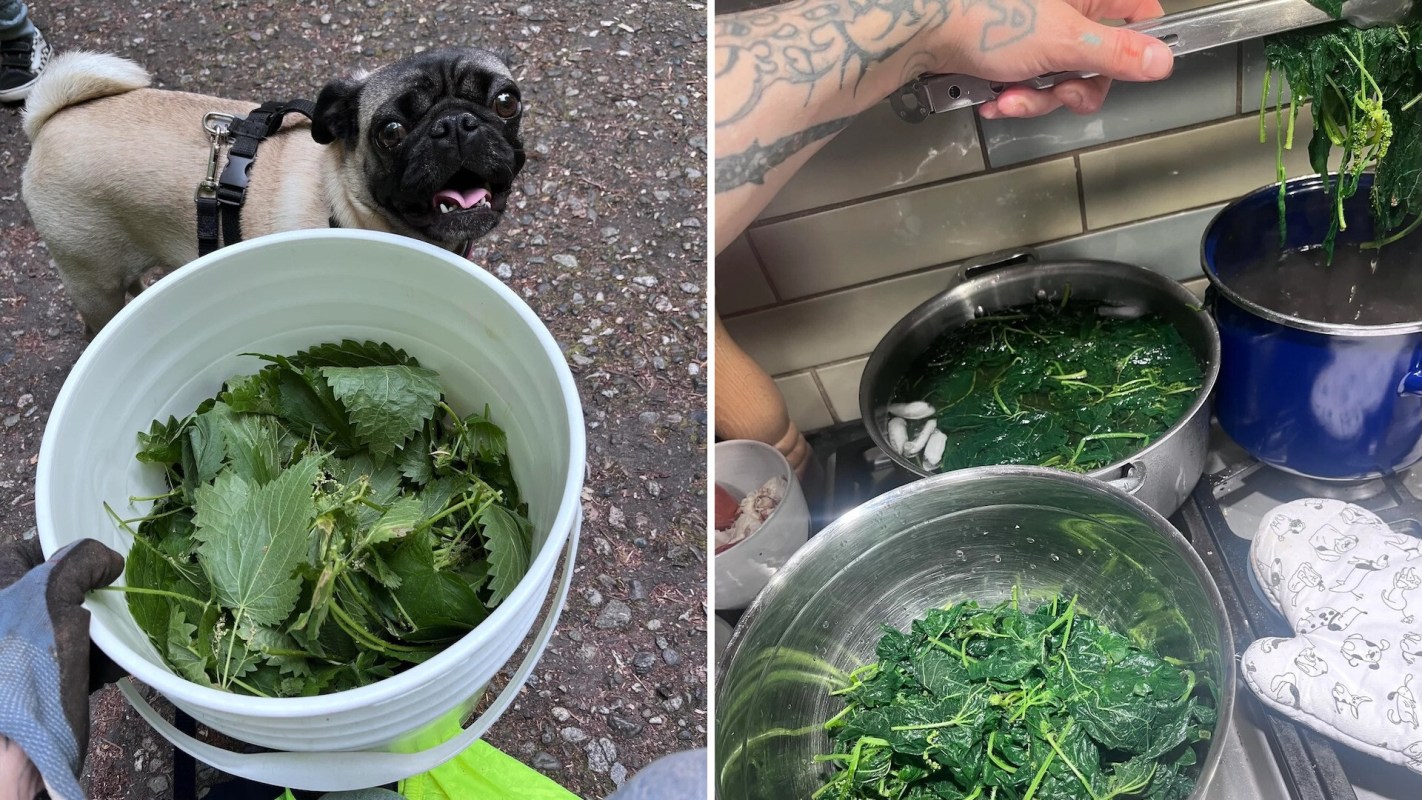
One forager's massive haul of a plant that burns skin is getting attention online after people shared the ways the prickly plant can be used.
What happened?
The forager took to Reddit to brag about their latest haul, a five-gallon bucket "full of stinging nettles." They then shared photos of the plant and included a few of them processing it in the kitchen.
Other foragers quickly weighed in, asking questions about stinging nettles, trading cooking ideas, and offering their own opinions.
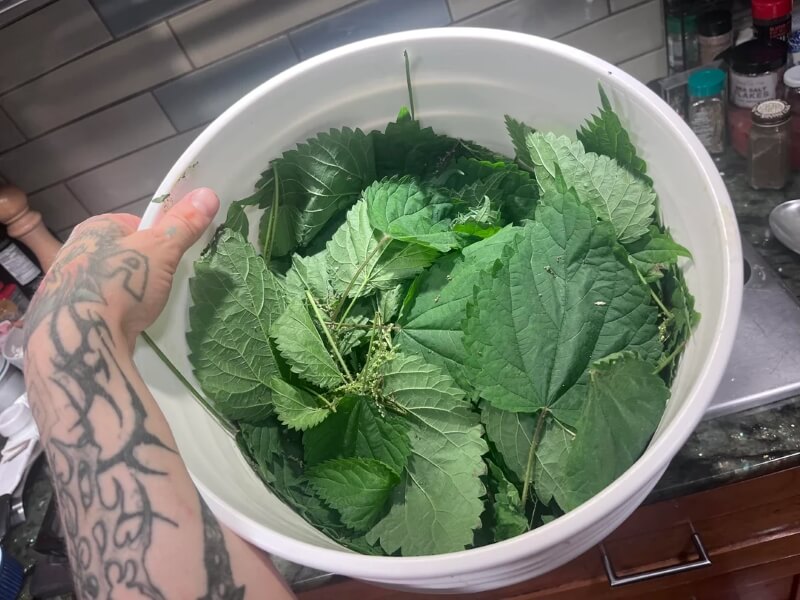
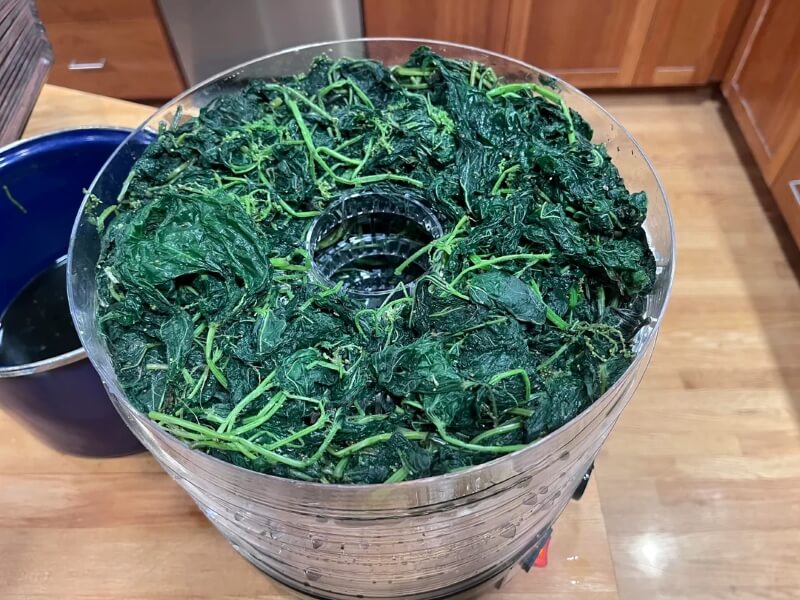
The original poster noted that they would be "making a syrup with the boiling and blanching water, and the dehydrated leaves can be added in curries, soups, and tea." They then added that the syrup would be flavored with vanilla, ginger, and cardamom so that it could be used in mixed drinks.
What are people saying?
Commenters shared a mix of confusion alongside support.
One simply asked, "Why?... I can't get rid of these d*** things, I wish people would come forage them away."
TCD Picks » Quince Spotlight
💡These best-sellers from Quince deliver affordable, sustainable luxury for all




One commenter shared a favorite preparation: "We make amazing nettle soup with potatoes as a base, very nutritious and yummy." The OP responded to the question, noting that stinging nettles, when prepared, are "incredibly nutritious and abundant."
Other users offered tips for preparing the nettles. One wrote: "If the endgame is soups or stews, you should freeze it rather than dehydrate it. It will preserve much more of the flavor profile and nutrients."
Some foragers just added that they also love to harvest the plants, which, when encountered randomly, can cause a burning sensation. A user said, "We make amazing nettle soup with potatoes as a base, very nutritious and yummy."
Why does it matter?
Because nettles can be gathered for free and used in several forms, they can help stretch a grocery budget and cut down on store-bought ingredients.
While many people see them as a nuisance, foragers value them as a nutritious edible green that can be cooked into meals or prepared by blanching, freezing, drying, and steeping.
That means one harvest can be turned into soup, tea, curry add-ins, or flavored syrup instead of going to waste.
A good rule of thumb for foraging is to never eat something you can't identify with 100% confidence. If you want to get started, learning from experts and following other safety tips, including not harvesting from areas with heavy pollution, are among the best foraging practices.

Get TCD's free newsletters for easy tips, smart advice, and a chance to earn $5,000 toward home upgrades. To see more stories like this one, change your Google preferences here.







