


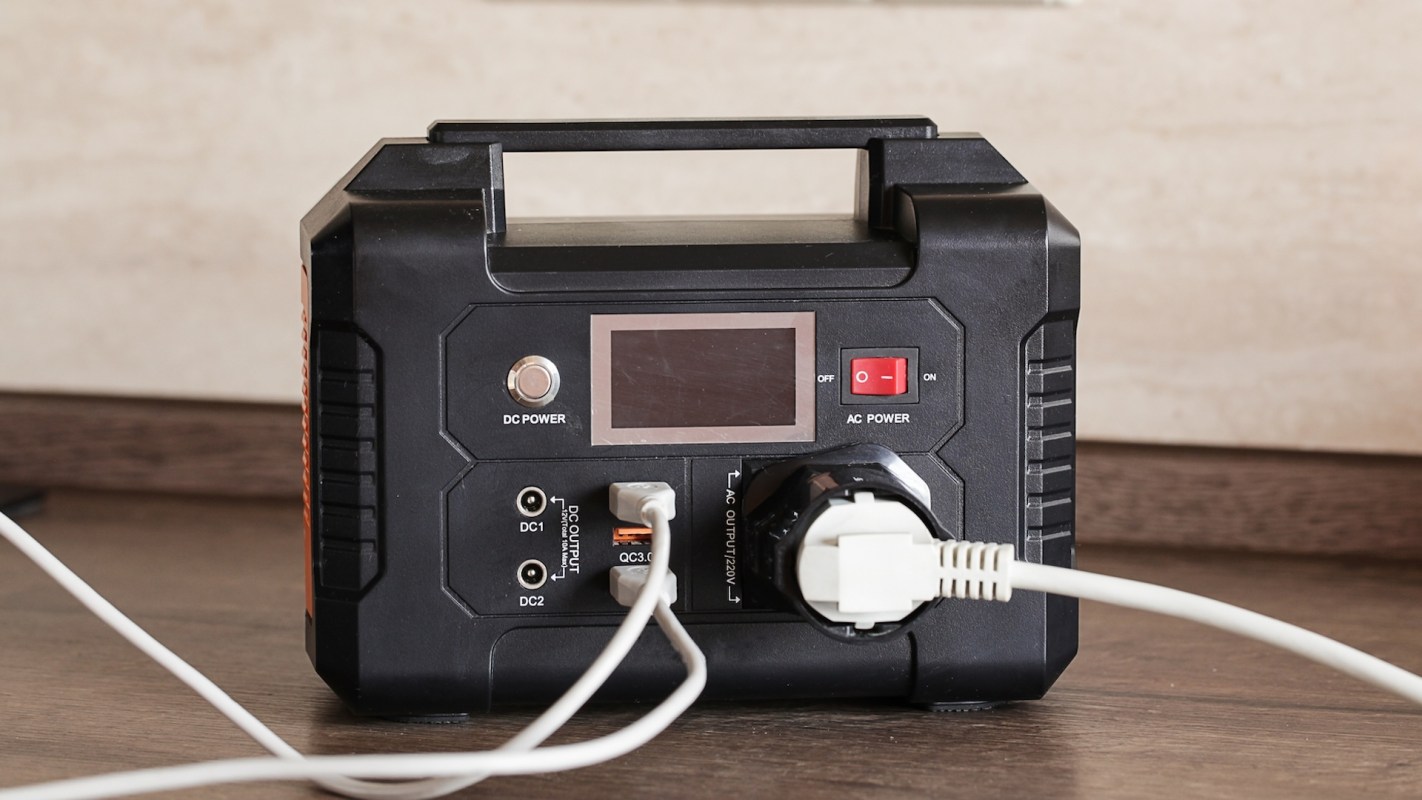
Renew Economy reports that some Australians are already connecting portable home batteries to their household mains despite rules that prohibit it.
That choice highlights a wider policy mismatch: Renters and people in apartments want access to cheaper, cleaner backup power, but the regulations have not evolved to meet that demand. And since many can't install rooftop solar or traditional battery systems, some are turning to unauthorized plug-in alternatives instead.
What's happening?
According to Renew Economy, Australia had passed 400,000 home battery installations by May, with a federal rebate helping fuel the rapid growth. Even so, renters and apartment dwellers are often unable to use rooftop solar or traditional home battery setups.
With those options out of reach for many people, some consumers are resorting to unauthorized plug-in devices. Phil Krok, Anker Solix's sales manager in Australia, told the outlet that programs such as the federal Solar Sharer scheme and Victoria's Midday Power Saver could add pressure to make those benefits available to renters and apartment residents too.
"Younger Australians are the majority who rent and don't have access to renewable resources," Krok said.
Adding battery storage is one of the best ways to protect your home during outages, save money on energy, go off-grid, and move toward greater energy independence. Installing a battery system can store solar energy generated in the daytime and utilize it at night, during severe blackouts, or even during peak utility rate periods to cut down your energy bill.
If you're exploring legal and safe home battery options, check out EnergySage's free tools to compare information and see competitive installation estimates. EnergySage has teamed up with the electrification company Qmerit to guarantee you get the best price on home battery storage solutions.
Pila is another company that offers excellent battery backup options. Its plug-and-play batteries are priced at a fraction of the cost of a whole-home backup system. Pila's batteries are simple and quick to use, without even needing to hire an electrician to install them.
Save $10,000 on solar panels without even sharing your phone number Want to go solar but not sure who to trust? EnergySage has your back with free and transparent quotes from fully vetted providers in your area. To get started, just answer a few questions about your home — no phone number required. Within a day or two, EnergySage will email you the best options for your needs, and their expert advisers can help you compare quotes and pick a winner. Solar panels can save you more than $50k over their 25-year lifespan, and EnergySage can help you save as much as $10k on installation. Which begs the question — isn't that worth an email or two? |

Why does it matter?
Breaking the rules is only part of the issue. Experts say there are genuine safety risks if batteries made for other markets — or sold through online marketplaces without Australian approval — are connected to local electrical systems.
Glen Morris, founder of battery and solar tester Smart Energy Labs, said the practice is already underway, including by one apartment resident he knows who has four batteries plugged in. He said Germany's approved balcony systems run at relatively low power, but warned about "blind RCDs," meaning safety switches that may fail to operate properly if DC current is fed into an AC circuit.
In practical terms, that means safety devices may fail to detect a fault, potentially exposing residents or workers to electric-shock risks. Experts warn that plug-in batteries continue to feed electricity into a circuit even after the power has been turned off, creating a likely danger for electricians.
Beyond the immediate safety concerns, the policy lag also risks slowing progress toward a cleaner and more equitable energy future. While homeowners can benefit from lower power bills, blackout protection, and greater energy independence, renters are often left out. Battery storage remains one of the most effective tools households can use to keep essential appliances running during outages and reduce energy costs.
What's being done?
Momentum has been growing for Australia to permit balcony solar and plug-in batteries, following Germany's example, Renew Economy reported. Morris said that the technology is also being examined by officials in several European countries and by regulators in 15 U.S. states.
Krok said the concept has been met with enthusiasm by people in the New South Wales energy department. He also said Anker Solix is preparing an Australian website to coincide with the Solar Sharer scheme's expected October launch, allowing people to register interest and helping build momentum for a framework.
"There are people doing it already, and there are people doing it in a safe way, who are using products that are approved for use in [other] places, for instance Europe," Morris said.
Krok added: "This year would be amazing to see recognition of the product and the category itself. And to have some sort of framework to allow customers to get on board."

Get TCD's free newsletters for easy tips, smart advice, and a chance to earn $5,000 toward home upgrades. To see more stories like this one, change your Google preferences here.






