


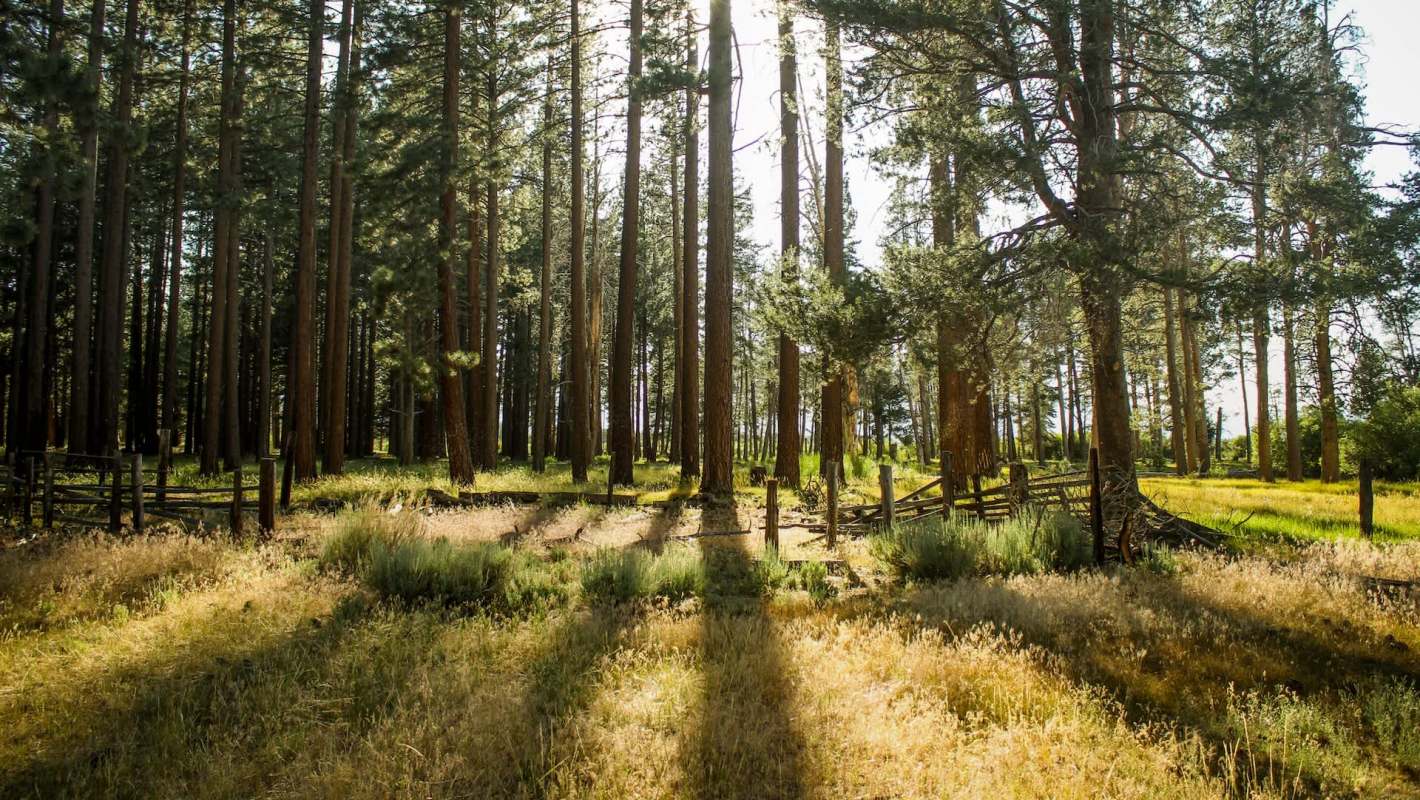
In the Lake Tahoe Basin, there has been debate over how to restore land after the Caldor Fire expanded beyond reforestation.
Residents are scrutinizing a plan by the U.S. Forest Service proposal to use the herbicide glyphosate, raising wider concerns about public health, public lands, and how communities are treated after disaster.
What's happening?
Opposition is growing after The Guardian published a feature on the Forest Service plan for the Caldor Fire restoration project in the Lake Tahoe Basin, as reported by Active NorCal.
After the 2021 Caldor Fire burned more than 200,000 acres in and around the basin, reforestation plans were set for roughly 2,400 to 3,600 acres, The Guardian reported. The outlet said the Forest Service, which manages more than 156,000 acres of national forest in the basin, is proposing to use glyphosate along with four other herbicides on parts of that area in order to eliminate overgrown vegetation to prepare for new tree plantings, as noted by the Guardian.
The Guardian said the chemicals would be applied by backpack crews rather than aerial spraying and kept at least 100 feet from water bodies. Even so, many residents say those protections do not go far enough in a region known for its forests, trails, and fragile watersheds.
Any herbicide use would still be years away, though. Active NorCal said the Forest Service does not expect herbicide use in 2026 or 2027, and that any spraying would begin no earlier than 2028. Even so, opposition is already building, with a Change.org petition topping 35,000 signatures and a June 11 town hall drawing a full audience to plan how to fight the proposal.
TCD Picks » Quince Spotlight
💡These best-sellers from Quince deliver affordable, sustainable luxury for all




Why does it matter?
Lake Tahoe is a public landscape tied to clean water, recreation, wildlife habitat, and a local economy closely linked to the outdoors. According to The Guardian, around 75% of the lake's watershed is inside national forest land, and glyphosate is noted to be a harmful chemical for more than 90% of endangered species.
The chemical at the center of the dispute, glyphosate, has been controversial for years. Active NorCal reported that Bayer has paid over $12 billion to resolve legal claims tied to glyphosate, and in 2015, the World Health Organization's cancer research agency labeled it a probable carcinogen.
The dispute is sharpened by a split between major authorities. According to Active NorCal, the Environmental Protection Agency says glyphosate is "not likely to cause cancer when used as directed," while the World Health Organization's cancer research agency labeled glyphosate a "probable carcinogen."
What's being done?
Residents and advocacy groups are organizing early, well before any possible 2028 application date.
The petition campaign is one sign of that strategy, but it is not the only one. Local residents have also filled public meetings to share concerns and coordinate next steps, while the Make America Healthy Again movement has lobbied the Environmental Protection Agency to ban glyphosate entirely.

Get TCD's free newsletters for easy tips, smart advice, and a chance to earn $5,000 toward home upgrades. To see more stories like this one, change your Google preferences here.







