


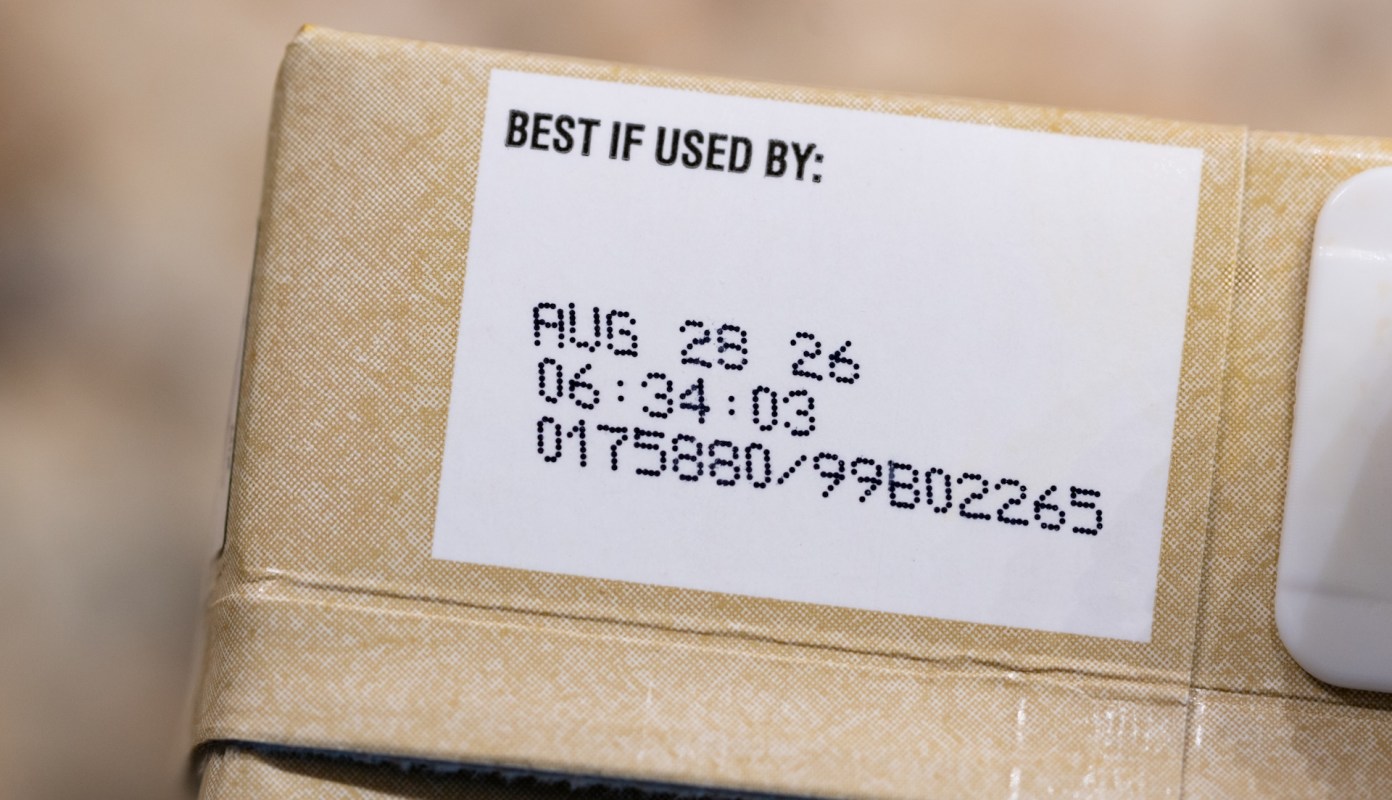
California is about to alter a familiar feature on food packaging: the date label.
Starting July 1, many food packages in the state will begin dropping the phrase "sell by" as California tries to make labels easier for shoppers to understand, cut waste, and help households avoid discarding food that is still good.
What's happening?
Assembly Bill 660 replaces the current patchwork of date phrases on covered foods with standardized language, Newsweek reported. On those products, wording such as "Best if used by" or "Best if frozen by" generally refers to quality, while "Use by" or "Freeze by" refers to safety.
The law applies to products made on or after July 1, while older inventory can still be sold during a sell-through period. It also does not require every food product to carry a date label; instead, it standardizes the wording when companies choose to include one or are required to.
Some products are exempt. Infant formula, eggs, and pasteurized in-shell eggs, beer and malt beverages, wine, distilled spirits, and shellfish already follow separate rules.
Companies that fail to comply could face penalties under the California Food and Agricultural Code, including misdemeanor fines of up to $1,000.
TCD Picks » Quince Spotlight
💡These best-sellers from Quince deliver affordable, sustainable luxury for all




Assemblymember Jacqui Irwin, who authored the bill, said in a statement, "Having to wonder whether our food is still good is an issue that we all have struggled with. Today's signing of AB 660 is a monumental step to keep money in the pockets of consumers while helping the environment and the planet."
Why does it matter?
A major problem with the current system is that shoppers often treat "sell by" as an expiration warning, even though stores mainly use it for inventory purposes, Newsweek reported. As a result, food can end up in the trash well before it becomes unsafe to eat.
The cost of that misunderstanding can be substantial. EPA research cited in the report found that the average American wastes about $728 worth of food each year, nearly $2,900 for a family of four. A Harris Poll study, cited by the Center for Science in the Public Interest, also found that 88% of Americans throw away food that is still safe due to label confusion.
Backers of the bill also point to the environmental toll. They say California discards about 6 million tons of food every year, and Newsweek reported that organic waste in landfills accounts for roughly 41% of the state's methane emissions.
What's being done?
The new labeling system is meant to draw a clearer line between food quality and food safety. Under it, "Best if used by" indicates when taste or texture may start to decline even though the product can still be safe, while "Use by" is intended to mark the point when safety may become a concern.
Supporters say that distinction could make everyday decisions easier in both kitchens and grocery aisles, particularly at a time when food prices remain elevated.
The law could also have effects beyond California. Because California is such a large market, manufacturers may find it simpler and cheaper to use the same clearer labels nationwide rather than maintain separate packaging systems, as Newsweek reported.
Erica Parker, a Policy Associate with Californians Against Waste, said, "The inconsistent use of phrases like 'Sell By,' 'Expires On,' 'Freshest Before,' and others makes for an impossible-to-navigate system for consumers who don't want to throw away good food or make their families sick."

Get TCD's free newsletters for easy tips, smart advice, and a chance to earn $5,000 toward home upgrades. To see more stories like this one, change your Google preferences here.







