


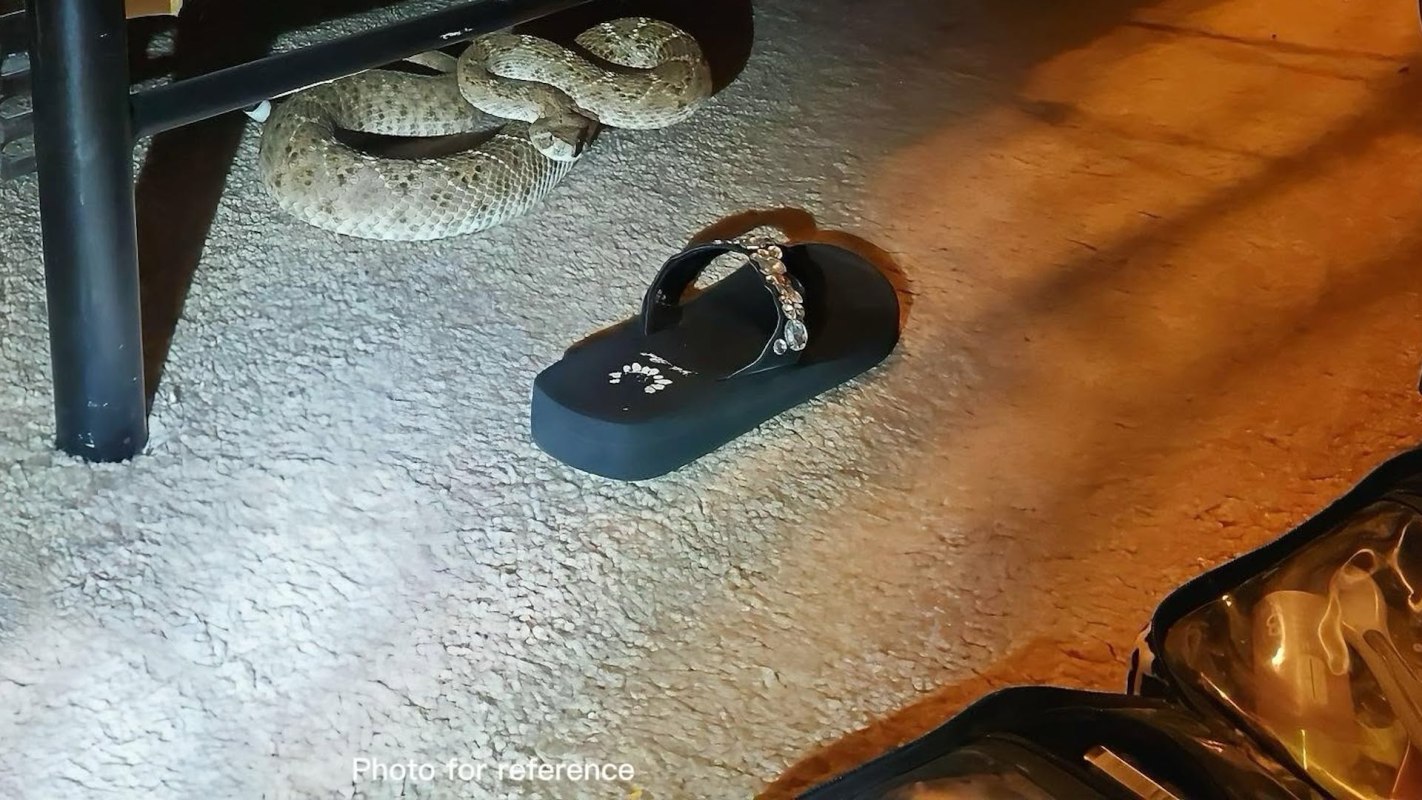
A late-night animal complaint in Del Rio, Texas, led police to a bedroom where they found a rattlesnake.
What happened?
According to United Press International, which cited the Del Rio Police Department, officers were called to a home on Irene Avenue in March on a report of an animal inside the residence.
"Upon arrival, officers discovered a rattlesnake inside a bedroom of the residence," the department said in a news release.
Residents were moved out of the house as officers waited for Del Rio Animal Services to respond.
The snake was removed, and neither people nor the reptile were harmed.
The episode prompted a seasonal reminder from the department, which noted that snake activity often rises at that time of year.
TCD Picks » Quince Spotlight
💡These best-sellers from Quince deliver affordable, sustainable luxury for all




"The Del Rio Police Department would like to remind residents that snakes commonly emerge from hibernation during warmer months, particularly between March and April," it wrote.
Why does it matter?
The incident also points to a broader pattern. As neighborhoods expand into wildlife habitat and natural spaces become more fragmented, animals are increasingly likely to end up in garages, yards, and homes.
In many cases, these encounters are not simply a matter of animals "invading" human spaces. Human development, landscaping choices, outdoor clutter, and the presence of rodents around homes can all make residential areas more attractive or accessible to snakes seeking shelter, food, or relief from heat.
Venomous snake bites can quickly become medical emergencies, while frightened homeowners may also be more likely to injure or kill wildlife in panic. Safe removal helps reduce the danger on both sides.
In spring, more people may spend time outdoors cleaning up yards and opening windows and doors — routine activities that can raise the odds of a surprise encounter if precautions are not taken.
What can I do?
In this case, the home's occupants were evacuated and trained professionals were called in to deal with the snake.
Prevention can make a major difference. Sealing gaps under doors, around pipes, and near foundations can keep wildlife out. Reducing brush piles, debris, and rodent activity around homes can also make properties less appealing to snakes.
If you live in an area where snakes are common, save contact information for local animal control before an emergency happens. Experts generally advise against trying to capture or kill a venomous snake yourself since doing so can increase the chance of a bite.
Homeowners can also learn how to make outdoor spaces safer while respecting local ecosystems. Simple steps such as careful yard maintenance and understanding the wildlife common to your area can lower risk.

Get TCD's free newsletters for easy tips, smart advice, and a chance to earn $5,000 toward home upgrades. To see more stories like this one, change your Google preferences here.






