


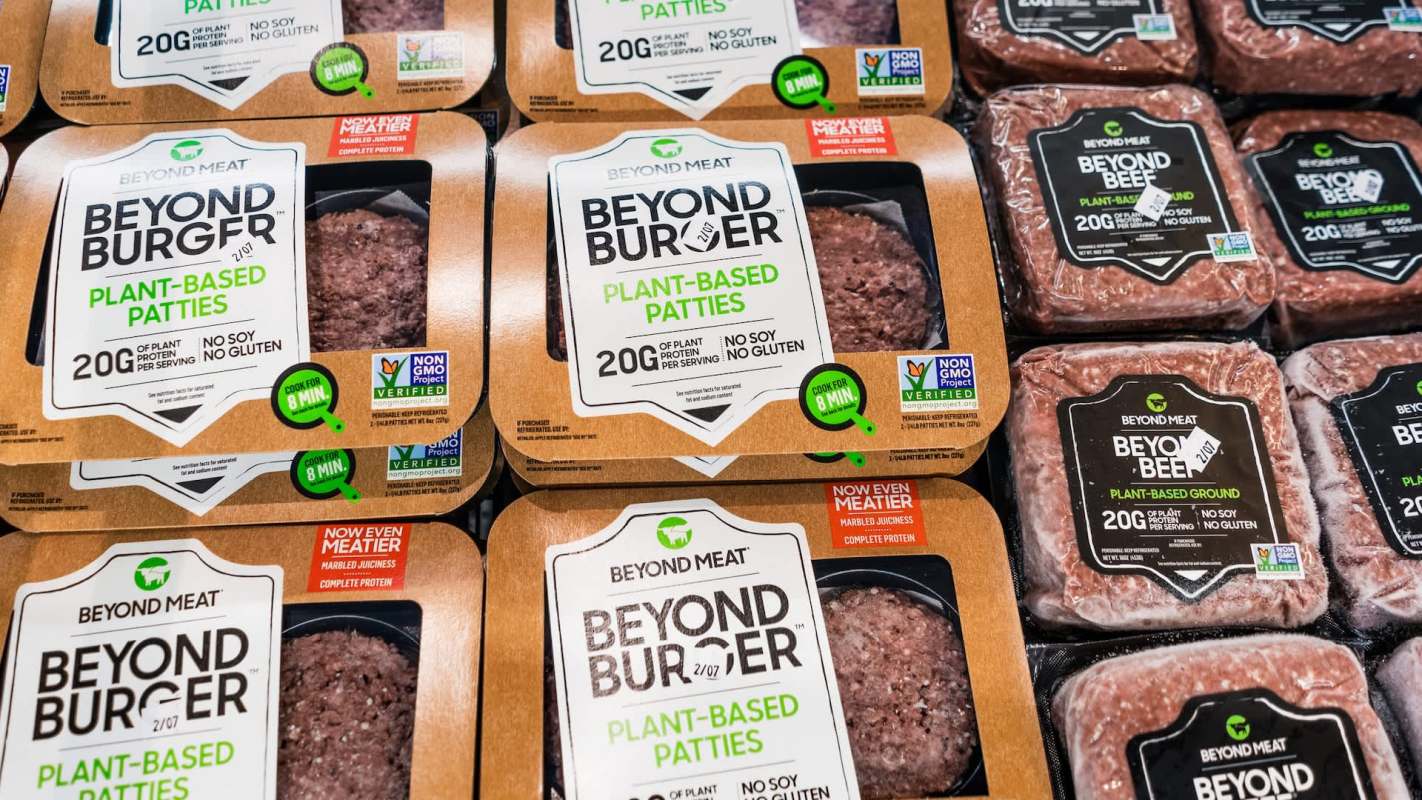
Debate over plant-based foods in the United Kingdom now has a new point of comparison. In one supermarket study comparing similar products, the plant-based options were found to use far more additives than the animal-based versions.
That does not mean the products were unsafe, but it does raise questions about processed replacement foods.
What's happening?
Published in Food Additives & Contaminants: Part A and covered by Mirage News, the study was conducted by researchers at the Institute for Optimum Nutrition in London. They compared 71 matched pairs of plant-based and animal-based supermarket items, including milk, brownies, meat, lasagna, mayonnaise, yogurt, and more.
Across those products, the research team — Joseph Whittaker, senior author and lecturer at ION, alongside Vivienne Alexa Robinson and Elouise Redmayne — counted 199 food additives in the plant-based items and 100 in the animal-based products.
The same pattern appeared in the broader ingredient totals: 1,566 ingredients were listed across the plant-based products versus 1,110 in the animal-based range. And the plant-based items had 39 E-numbers compared with 31. (E-numbers are codes that represent substances approved as food additives in the European Union and the U.K.)
The biggest gaps were found in dairy, meat, and fish alternatives.
TCD Picks » Quince Spotlight
💡These best-sellers from Quince deliver affordable, sustainable luxury for all




Why does it matter?
Plant-based eating has become increasingly popular for a range of reasons, including health, animal welfare, and environmental concerns.
At the same time, many consumers are paying close attention to ingredient lists, ultra-processed foods, and so-called clean-label products.
In many cases, recreating the taste, texture, and shelf life of animal-based foods requires stabilizers, flavorings, colorings, and other additives.
Whittaker noted that having more additives "does not necessarily mean an increased health risk."
It is important to note that the study assessed only one supermarket range, did not measure the amount of each additive used, and did not analyze how frequently consumers eat these foods. All the additives identified also complied with U.K. food safety regulations.
What can I do?
A bean stew, lentil soup, or peanut butter sandwich is very different from an engineered meat substitute or dessert product.
Whittaker suggested that people following plant-based diets "should focus on whole foods that are naturally plant-based, rather than trying to replicate animal-based foods."
He added, "If future findings are consistent with ours, we could start to generalise more about plant-based products and be more certain in our conclusions."

Get TCD's free newsletters for easy tips, smart advice, and a chance to earn $5,000 toward home upgrades. To see more stories like this one, change your Google preferences here.







