


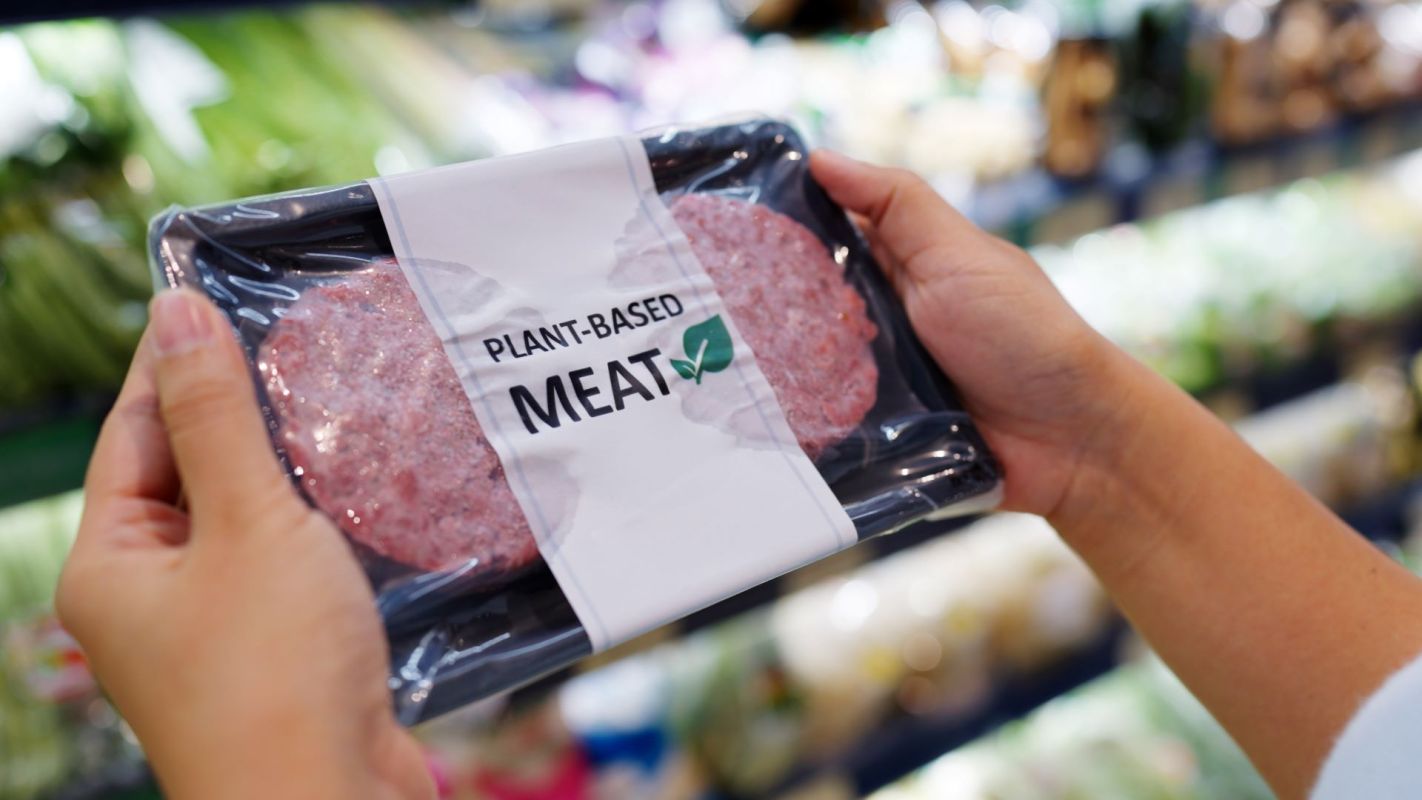
While many shoppers say they want more sustainable choices, plenty of people still aren't sold on some plant-based foods' taste.
Now, one U.S. nonprofit believes artificial intelligence could help bridge that divide — making it easier for more people to choose lower-impact foods without feeling like they are compromising.
What happened?
According to Green Queen, Food System Innovations is using a $2 million Bezos Earth Fund grant to launch a Food Intelligence Lab built around open-source AI. The effort is aimed squarely at two long-running complaints about alternative proteins: taste and texture.
Results from Nectar, the nonprofit's sensory analysis arm, highlight why that focus matters. Green Queen reported that only about one-third of people like the average vegan product, compared with more than three in five who find conventional meat and dairy appealing. That gap helps explain why many plant-based launches struggle to gain traction, even as major food companies continue investing in them.
"We treat food formulation as an optimisation problem: how do you maximise consumer satisfaction — taste, texture, overall liking — while meeting constraints like cost, nutrition, and manufacturability," Anna Thomas, director of machine learning at the lab, told Green Queen.
Why does it matter?
If the approach works at scale, it could make plant-based foods more appealing to more shoppers. Better-tasting, more affordable meat and dairy alternatives could help families work more climate-friendly meals into their routines without giving up the flavors and textures they are used to.
TCD Picks » Quince Spotlight
💡These best-sellers from Quince deliver affordable, sustainable luxury for all




Animal agriculture carries a major environmental footprint. It uses huge amounts of land and water while producing a large share of planet-heating pollution.
On the other hand, eating plant-based food more often than not can help decrease pollution. And Food System Innovations' work looks promising.
As Green Queen reported, one test with Proxy Foods AI showed its optimization system boosted a dairy-free Greek yogurt's sensory performance by 29% after 10 formulation rounds over five days.
What are people saying?
Thomas said, "Our model is designed to work alongside food scientists, … The system recommends the 'next best experiment,' helping teams iterate far more quickly than traditional trial-and-error approaches."
On AI's environmental tradeoffs, Thomas said, "It's a valid and important concern, and one we take seriously."
She added, "If AI can materially accelerate the shift toward better-performing, more affordable sustainable proteins, the downstream emissions reductions can be substantial."

Get TCD's free newsletters for easy tips, smart advice, and a chance to earn $5,000 toward home upgrades. To see more stories like this one, change your Google preferences here.







