


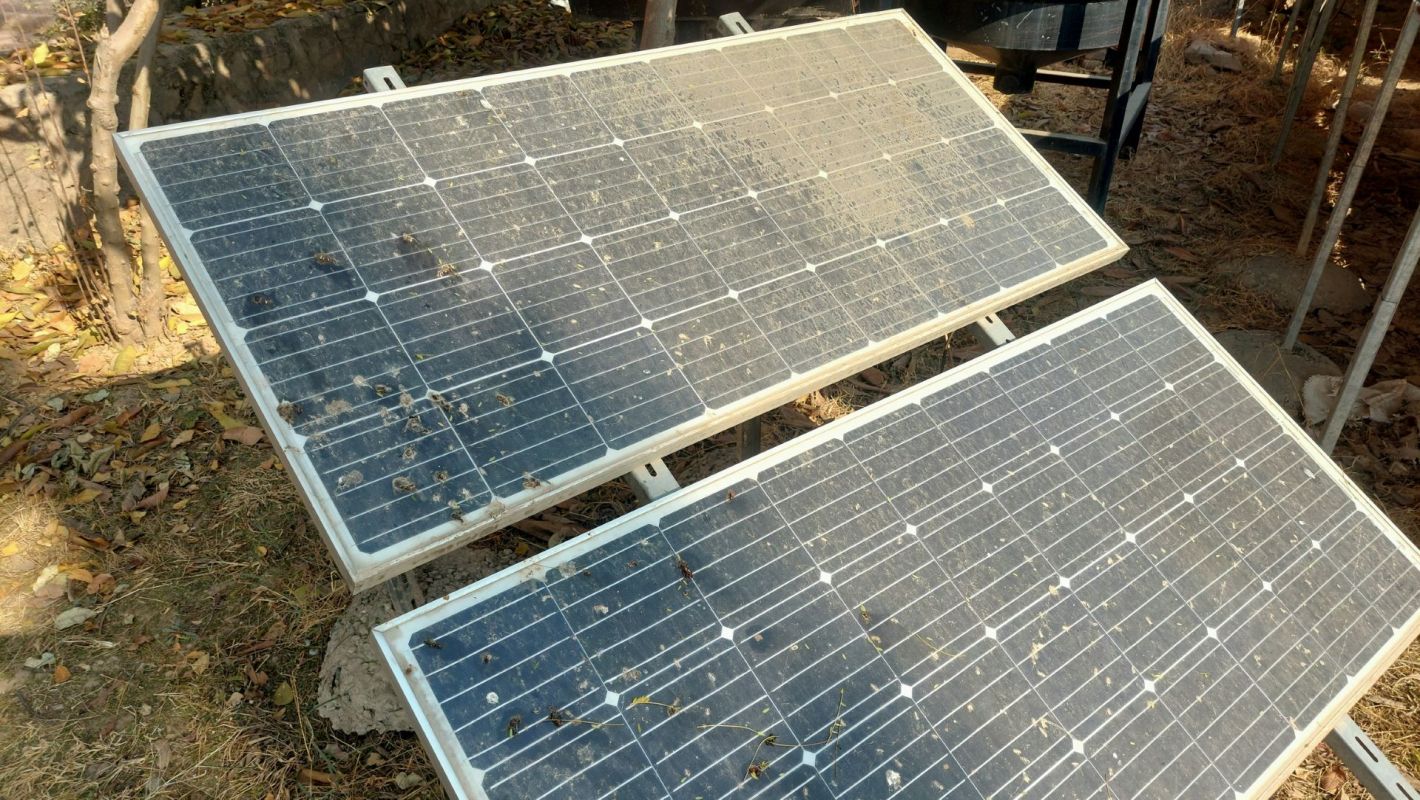
A Reddit post about grimy solar panels is raising a practical question for homeowners: How much electricity are you leaving on the table by not cleaning them?
In this case, the answer appeared to be quite a bit — though even the original poster noted that the math is not perfectly simple.
What happened?
A member of a Reddit solar forum said they experienced a noticeable jump in power generation after washing dirty panels installed about 30 feet above the ground. They showed before-and-after pics, with the before image showing some mild dirt, some possible bird poop, and, more notably, what appeared to be some lichen growth, and all was cleaned away in the after pic.
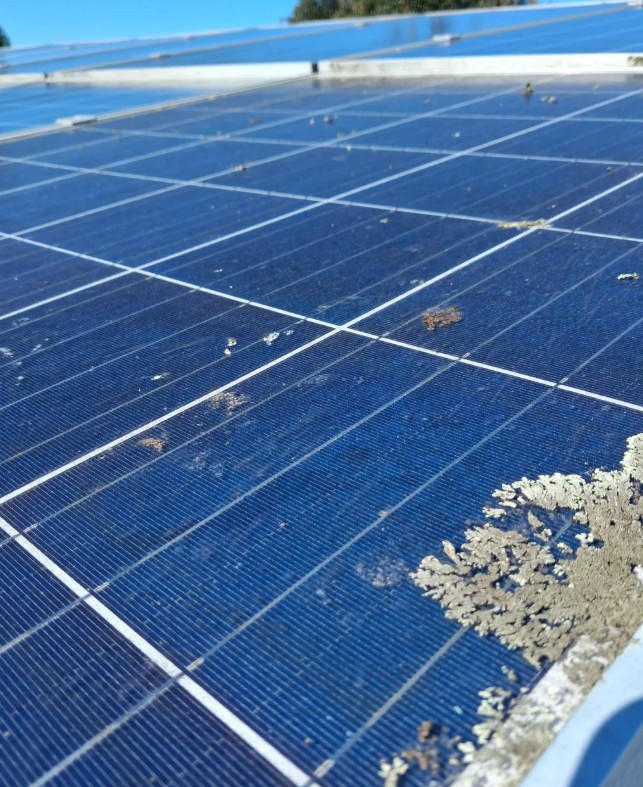
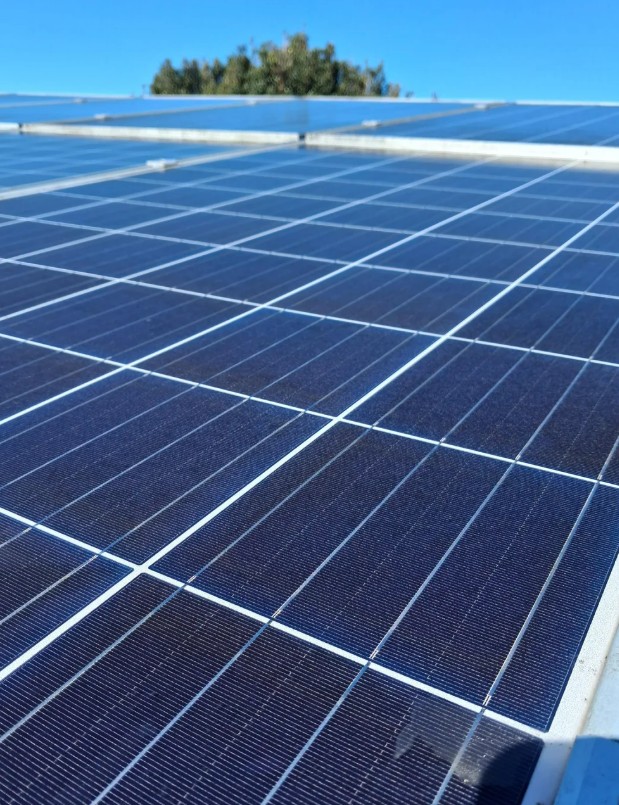
In the Reddit post, they said the output was 2.46 kilowatts at 9:30 a.m., before the wash, and 3.26 kilowatts at 10:30 a.m., afterward.
The poster cautioned that the comparison was not perfect, since solar production often increases later in the morning as sunlight strengthens. Still, they said output appeared to rise from 3.16 kilowatts to 3.26 kilowatts after the last panel was cleaned.
Why does it matter?
For households with rooftop solar, even modest efficiency gains can mean more usable electricity and stronger returns on an expensive home upgrade.
TCD Picks » Quince Spotlight
💡These best-sellers from Quince deliver affordable, sustainable luxury for all




Dust, pollen, bird droppings, and other buildup can block sunlight from reaching photovoltaic cells, reducing output — sometimes only slightly and sometimes more significantly. Routine panel cleaning can take time and money and, in some cases, involve the safety risk of climbing a roof.
Results can vary widely. A dirty array in a dry or dusty climate may benefit from a wash, while panels in rainy regions may already get enough natural cleaning to keep performance relatively steady.
It's worth noting that experts say it's best to use deionized water to avoid streaks or water spots forming after a cleaning, though if you're starting with panels as dirty and growth-covered as the OP had, any kind of mild cleaning product and a water rinse is better than nothing — after all, it will be raining on the panels fairly often.
Roof angle, nearby trees, local weather, and how long it has been since the last cleaning can all affect whether washing panels makes a meaningful difference. Cost and safety are also factors. If panels are difficult to reach or require professional service, owners may need to weigh any energy gains against the cost of cleaning. And if the panels are mounted high up, as they were in this case, climbing up to scrub them yourself may not be worth the risk.
What are people saying?
Commenters turned the post into a broader debate about solar maintenance.
One person joked, "They need to make lil roomba cleaning bots for the panels. I'd buy that."
A different commenter argued that cleaning does not always pay off, saying they washed their own array after 11 years and saw "ZERO difference in production." They added that they "never made back that $350 cleaning fee," because rain in the southeastern United States had already kept the panels clean enough.
The original poster, meanwhile, acknowledged that "some gain is just the higher-yielding part of the day," reinforcing that cleaning was not the only factor.

Get TCD's free newsletters for easy tips, smart advice, and a chance to earn $5,000 toward home upgrades. To see more stories like this one, change your Google preferences here.






