


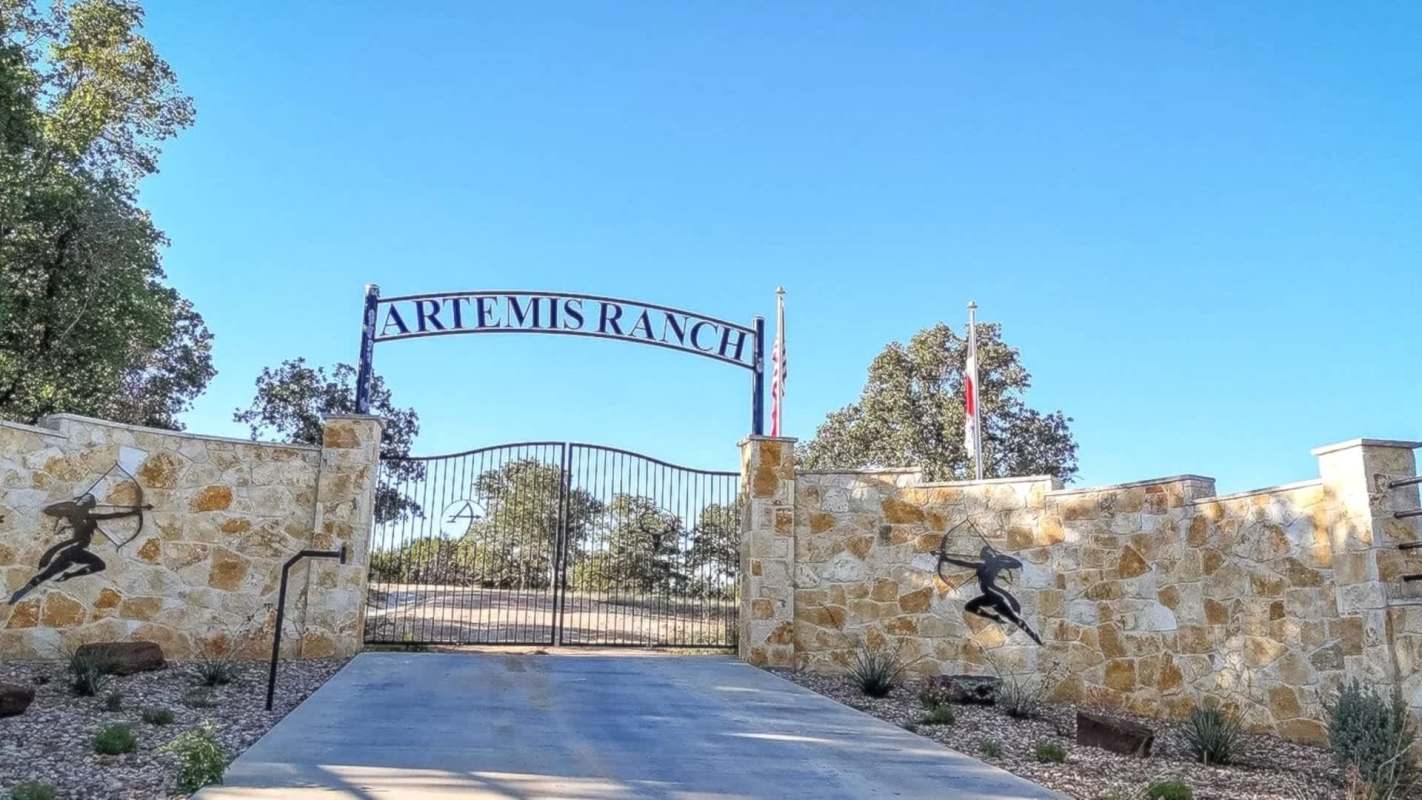
A wildlife resort in Texas known for giraffes, gazelles, and wildebeests is now at the heart of a pipeline dispute that pits the state's natural gas expansion against private property rights.
Interest in the case has grown after a jury ordered the pipeline company to pay the ranch owners far more than it had proposed for access to the property.
What happened?
According to The Texas Tribune, the Matterhorn Express pipeline was set to cross about a half-mile of Artemis Ranch near its entrance.
Ty and Leslie Eggemeyer spent years fighting that route through their nearly 4,000-acre eco-tourism property in Lampasas County.
For Ty Eggemeyer, the route conflicted with the brand they had created for the ranch: "We've been pushing our ranch as an eco-tourism ranch. How does that fit with a 42-inch gas pipeline running through the front entrance?"
The company first offered about $38,000 and later made a final offer of roughly $21,000 for the easement.
TCD Picks » Quince Spotlight
💡These best-sellers from Quince deliver affordable, sustainable luxury for all




The Eggemeyers turned it down, leading to a long condemnation fight under Texas eminent domain law.
In April, a jury valued the easement and related property damage at about $7 million, roughly 330 times the company's final offer.
"I had tears running down my face," Eggemeyer recalled.
Why does it matter?
The Artemis Ranch dispute comes amid a larger surge in pipeline construction across Texas.
Growing demand for gas from data centers and liquefied natural gas export terminals could leave more rural landowners facing similar legal pressure.
Critics argue that the process often puts property owners in a weak bargaining position.
Chris Johns, an eminent domain attorney in Austin, told the Tribune, "Over 80% or 90% of landowners will negotiate 10% or 20% more than that final written offer and think they've hit a home run. But they haven't. They got low-balled, and they accepted it."
What are people saying?
For some Texans, the case has renewed calls to reconsider the state's eminent domain rules.
Allison Koester, a Coleman County rancher facing a proposed pipeline, asked, "How can something be eminent domain-able if all the product is being piped to get put on a boat and shipped overseas?"
Others say the debate keeps returning without producing lasting change.
Kathi Seay, policy adviser for state Senator Bob Hall, said, "This is an issue that raises to the surface every couple of years with the gnashing of teeth, then quietly slides back below the surface."

Get TCD's free newsletters for easy tips, smart advice, and a chance to earn $5,000 toward home upgrades. To see more stories like this one, change your Google preferences here.






