


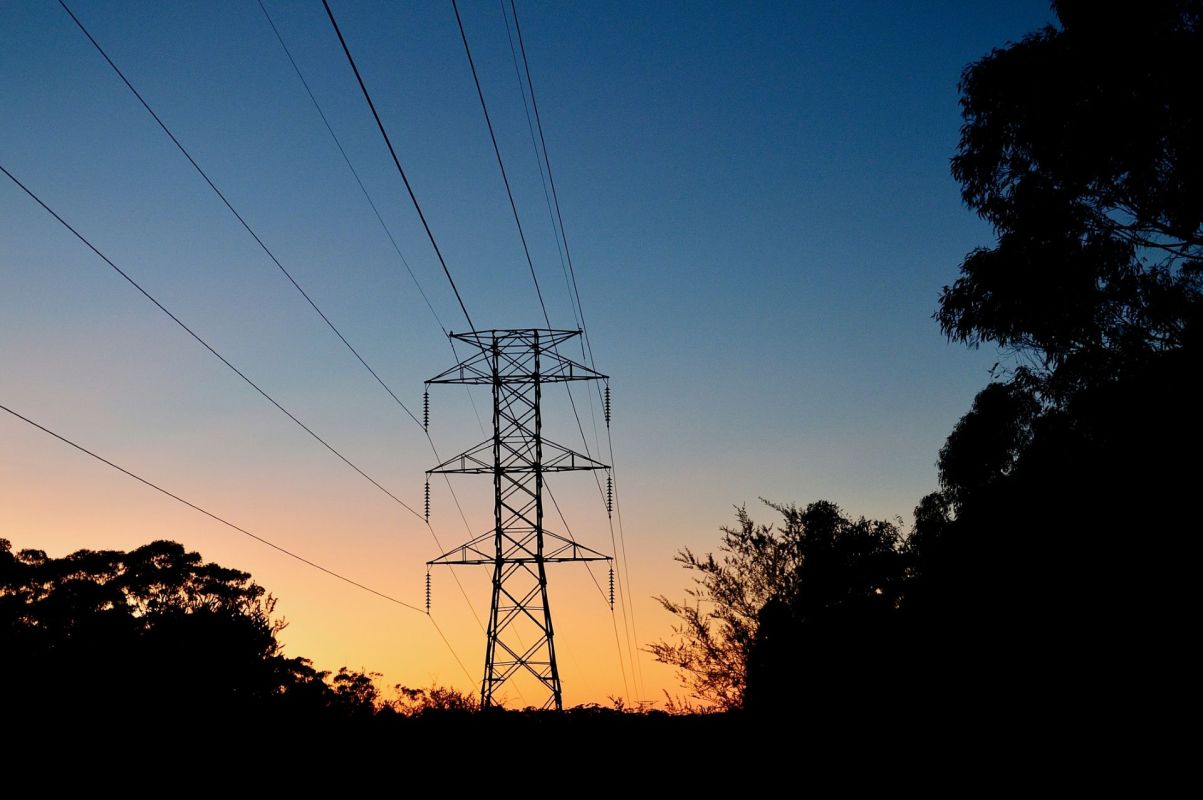
After years of rising household energy bills, Pennsylvania's House has unanimously backed a plan aimed at tightening limits on utility costs.
In a 202-0 vote on June 22, lawmakers pushed forward a bipartisan proposal that would restrict the shareholder profit built into utility rates and cut electricity bills by 6.5% through an added amendment.
What happened?
House Bill 2224 cleared the Pennsylvania House and now moves to the state Senate. The measure was introduced by Philadelphia Democratic state Reps. Elizabeth Fiedler and Danilo Burgos, as reported by NewtownPANow.
At the center of the proposal is "return on equity," the profit that utility shareholders are allowed to earn. Pennsylvania utility companies hold a massive share of the profit in their service regions, and this bill would establish a specific market-based formula for their return on equity. Supporters say Pennsylvania utilities effectively face little competition in their territories, even as their allowed returns rank among the highest in the country, according to NewtownPANow.
Rather than leave that figure open-ended, the bill would set a default cap using a market formula: the 10-year U.S. Treasury bond yield plus 2%.
The vote comes after Pennsylvania households saw utility bills rise by an average of 60% over five years, according to Heatmap News data.
TCD Picks » Quince Spotlight
💡These best-sellers from Quince deliver affordable, sustainable luxury for all




Fiedler put the issue plainly: "When you look at your energy bill every month, all the dollars on that bill are not for safe and reliable service or even for the energy itself – some of those dollars are going straight to wealthy shareholders." She added that this bill could potentially save families hundreds of dollars a year.
Lawmakers also approved an amendment from Republican state Rep. Craig Williams that would remove Pennsylvania's Gross Receipts Tax from customer utility bills, a change projected to lower electricity bills by 6.5%.
Why does it matter?
For households already strained by higher prices for food, gas, and housing, utility bills are among the toughest monthly costs to avoid.
Energy is not optional, so when rates rise, households have little room to cut back without affecting comfort or basic safety.
If approved by the Senate, the bill could reduce what customers pay while still allowing utilities to invest in infrastructure.
Backers of the legislation say it would better align shareholder profits with market conditions rather than leaving ratepayers exposed to outsized returns.
Burgos said utility companies deserve a fair return, but it "shouldn't come at the expense of Pennsylvanians who are already struggling to make ends meet."
Utilities are often granted protected service territories, which means customers usually cannot shop around the way they can for other goods or services.
In that kind of system, stricter rules on profit levels can directly shape what people see on their monthly bills.
What's being done?
The bill would establish clearer limits where state law currently allows a "reasonable return" without setting a specific cap, as noted by the Pennsylvania Capital-Star.
Supporters argue that tying return on equity to a widely watched market benchmark would make future rate-setting more predictable and fairer for customers.
A press release from Fiedler's office said the proposal would still allow utilities to recover costs for upgrades, materials, and worker salaries through rate cases.
The bill is aimed at excessive windfalls, not the routine investments needed to maintain reliable service.
Lawmakers have also been pressuring utilities directly. Gov. Josh Shapiro, along with legislators from both parties, has been working to lower energy costs, and that pressure recently helped push PECO to drop its proposed rate hike for next year.
PECO made $814 million last year.
"We recognize that Pennsylvanians are struggling with basic necessities like gas, food, and energy and have decided to withdraw our proposal," said David Vahos, PECO president and CEO.

Get TCD's free newsletters for easy tips, smart advice, and a chance to earn $5,000 toward home upgrades. To see more stories like this one, change your Google preferences here.






