


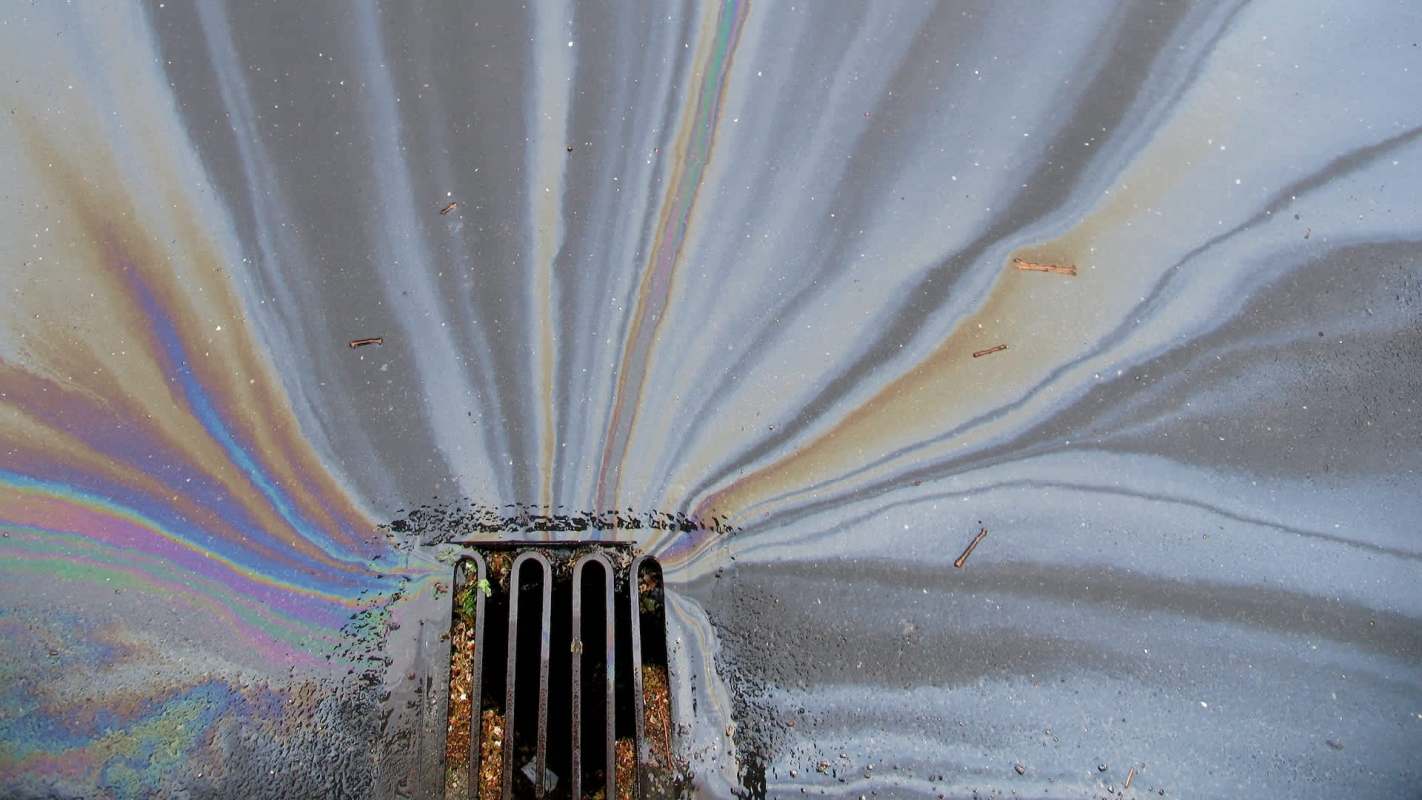
Officials now say the May 22 East Los Angeles drilling accident released roughly 25,000 gallons of crude oil — far more than first reported — after petroleum flowed into storm drains and the Los Angeles River and led regulators to cite three companies.
What happened?
LAist reported that L.A. County Public Works now puts the spill at nearly 10 times the 2,400 gallons announced in the immediate aftermath.
Speaking to county supervisors, Public Works Director Mark Pestrella said, "The incident itself can be considered one of the largest oil spills into the Los Angeles River in recent history."
The early estimate reflected what first responders could see at the scene, according to a spokesperson for the South Coast Air Quality Management District, who said it was "based on visual observations made by first responders and reported to the California Office of Emergency Services."
A later assessment by the pipeline operator raised the total.
On June 18, South Coast AQMD sent notices of violation to Arcadian Infracom, HP Communications, and Camarillo Drilling, citing both the spill and petroleum odors reported in nearby neighborhoods.
TCD Picks » Quince Spotlight
💡These best-sellers from Quince deliver affordable, sustainable luxury for all




Inspectors said they were dispatched that day after multiple public complaints, including one from Esteban E. Torres High School, and later determined the smell was coming from the site near Eastern and Cesar Chavez avenues.
Why does it matter?
The incident shut down roads for days and pushed oil into the river system. The L.A. County Department of Public Health said petroleum odors may have caused or worsened headaches, nausea, dizziness, irritation of the eyes, nose, or throat, and breathing problems, including asthma symptoms.
There may also be financial consequences for people nearby. Residents and business owners who believe they were harmed can file claims with Pacific Pipeline System, the pipeline operator, for losses such as property damage, business interruption, cleanup costs, or other documented expenses related to the incident.
Oil spills are one threat, but coal- and natural gas-fired power plants also contribute to air and water pollution linked to asthma, heart disease, cancer, and premature death.
These fuel sources can also keep household energy costs elevated compared with increasingly abundant solar and wind power, while industry lobbying often slows the shift to cleaner, cheaper energy.
What are people saying?
Residents are continuing to push for more disclosure.
In a June 22 email to County Supervisor Hilda Solis' office, the Maravilla Community Advisory Committee requested a town hall and wider access to environmental test results, public health guidance, and cleanup updates.
South Coast AQMD rules and California's Health and Safety Code bar emissions that "cause injury, nuisance, or annoyance" to the public.
If the matter is not resolved through settlements, the notices of violation could ultimately result in a civil lawsuit.

Get TCD's free newsletters for easy tips, smart advice, and a chance to earn $5,000 toward home upgrades. To see more stories like this one, change your Google preferences here.






