


As another stretch of intense summer weather settles over West Texas, many residents may be bracing for a familiar combination: hotter days and more expensive electric bills.
As local stations KMID and KPEJ reported, though, some households may be able to reduce those monthly costs with a relatively straightforward change at home.
What's happening?
Summer cooling already comes at a significant cost for many Texans, and rising temperatures in the Permian Basin can push those expenses through the roof. Data from the U.S. Energy Information Administration, cited by KMID/KPEJ, shows that a typical Texas household using about 1,176 kilowatt-hours of electricity pays roughly $177 a month on average.
Bills can vary notably depending on the size of the home. Apartments tend to average about $80 to $120 per month, while larger houses may see summer electric costs climb to somewhere between $220 and $320, KMID/KPEJ reported.
Even modest efficiency improvements can make a difference during the hottest months of the year, when air conditioners are working hardest.
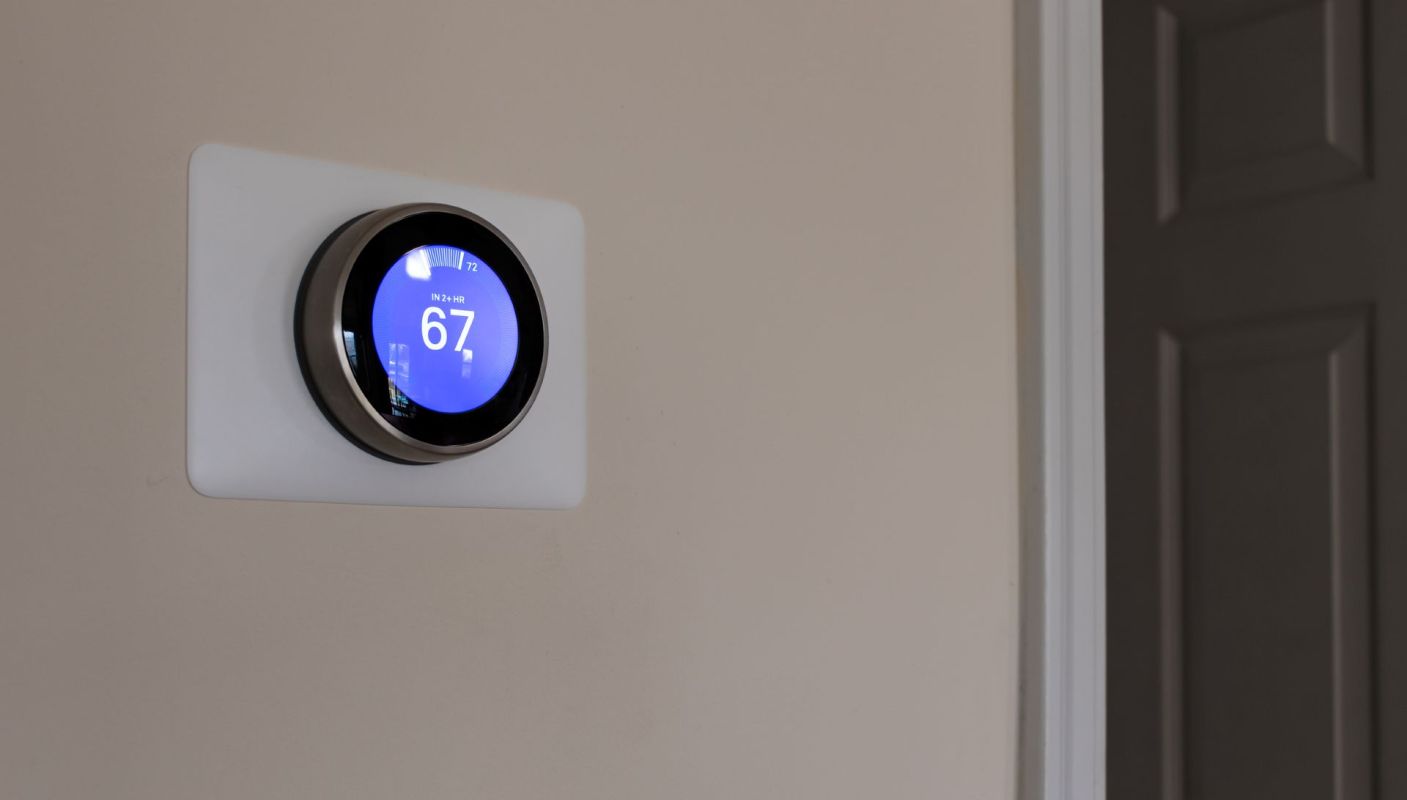
Paul Hines, chief scientist with Energy Hub, said a smart thermostat can help reduce those costs by automatically adjusting cooling times based on when it's needed, instead of having the AC run at full blast throughout the day.
TCD Picks » Quince Spotlight
💡These best-sellers from Quince deliver affordable, sustainable luxury for all




Why does it matter?
Summer electric bills are more than an inconvenience for many households. They can put real pressure on already-strained budgets, where people already deal with other mandatory costs of living.
When cooling costs rise alongside grocery, housing, and transportation expenses, families may be forced to make difficult tradeoffs.
Hines said that "[most smart thermostats are inexpensive], maybe $100 from some [retailers]." He added that with this smart technology, which isn't constantly draining energy 24/7, it can "end up saving quite a bit [of money] like $20 a month, which is pretty significant."
A potential savings of $20 per month from smarter cooling may not sound dramatic at first, but it can add up to significant savings each year.
There is also a broader impact on the power grid when temperatures begin to rise around the globe. When large numbers of households turn up the AC at the same time during periods of extreme heat, utilities face increased demand that can strain the system and contribute to higher costs.
What can I do?
If your home still uses a basic manual thermostat, upgrading to a smart model may be worth considering, especially if your household is empty during the day or follows a predictable routine. A smart thermostat can automatically cool your home when needed and reduce energy use when it's not.
Hines also said residents should check with their electricity provider about any grid-smart programs that may be available.
One option he highlighted is a home battery program, where utilities may pay customers to draw from stored energy on peak-demand days, helping support the grid while potentially cutting costs for participating households.
For people looking to save even more, it can also help to keep blinds or curtains closed during the day, avoid using ovens during peak afternoon hours, and make sure AC filters are clean so the system does not have to work harder than necessary.
Hines summed up the appeal of the technology this way: "You can program it to cool your home only during the hours that you actually need cooling. That can end up saving quite a bit, like $20 a month."

Get TCD's free newsletters for easy tips, smart advice, and a chance to earn $5,000 toward home upgrades. To see more stories like this one, change your Google preferences here.






