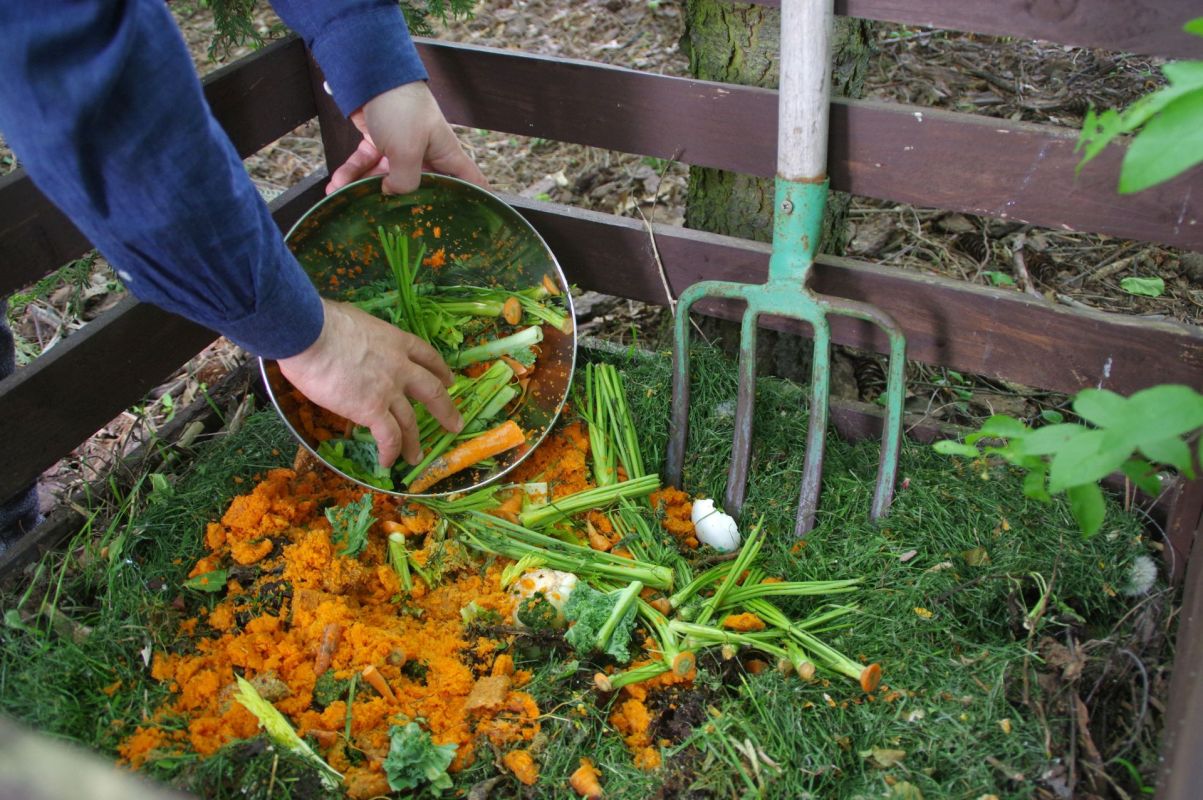
For gardeners looking to cut food waste while feeding their soil at the same time, tucking kitchen scraps beneath the soil in a garden bed may sound almost too easy to be true.
But a Reddit discussion suggests the method can work — if gardeners can keep neighborhood critters from treating the area like a buffet.
What's happening?
On Reddit, one gardener asked for firsthand experience with burying kitchen waste in a bed, writing: "Some commenters say this attracts pests while others say it doesn't as long as you put browns down. Has anyone tried this?"
The replies that followed laid out both the appeal and the risks.
Rather than maintaining a separate pile, trench or pit composting puts scraps straight into the soil, according to the Environmental Protection Agency. Gardeners dig a trench or hole, bury kitchen waste, and let worms and soil microbes break it down in place so plants can later use those nutrients.
The tone of the thread was largely positive, with one commenter saying "it works" and describing the method as "essentially in-ground worm farming."
TCD Picks » Quince Spotlight
💡These best-sellers from Quince deliver affordable, sustainable luxury for all




At the same time, some commenters pointed out the approach's limits. Sometimes, the scraps don't go through a hot compost cycle, which means harmful bacteria like Salmonella and E. coli can get in, per the University of Connecticut. Materials like manure or food scraps are very risky for this.
Some vegetables, like tomatoes, can also regrow in compost areas if the compost isn't hot enough.
A big concern is animals. Some Reddit users mentioned that raccoons, rats, squirrels, skunks, and dogs may dig up buried food if it is not placed deep enough or otherwise protected.
Why does it matter?
For households looking to reduce waste, trench composting can offer an appealing shortcut. It can turn peels, coffee grounds, and other food scraps into richer soil without requiring the space, setup, or maintenance of a separate compost pile.
Healthier soil can support a more productive garden, as the CAES Field Report revealed, helping people save money on produce while enjoying fresher, better-tasting fruits and vegetables at home.
Gardening can also offer mental and physical health benefits, from light exercise to stress relief, especially for people who spend much of the day indoors.
In the Reddit discussion, commenters said food scraps are among the simpler inputs that tend to work well when composted directly in the ground.
Wood chips, shredded cardboard, and other bulky browns are better reserved for a traditional compost pile, where they can fully decompose instead of drawing nitrogen from nearby soil.
Here are a few more tips on how to grow your own food.
How do I start composting?
If you want to try trench composting, start small.
First, collect and store your scraps in a closed container in your kitchen, the EPA advised. Outside, set aside an area for leaves, twigs, and carbon-rich material to mix with the food scraps.
Select a space in your yard for the compost pile that is easily accessible — not near a fence and near a water source. Gardeners in the thread also mentioned a few variations that may be easier to manage, including buckets buried with holes and winter trench grids that spread scraps across different parts of a garden.
If your yard already gets frequent animal visitors, it may also be wise to protect the area with a sturdy cover or another barrier.
Try to chop up your kitchen scraps into smaller pieces before bringing them outside. This will help them break down quicker.
It's important to remember to mix up your pile periodically to help speed up the decomposition process.
Also, look into controlling pests without chemicals to help reduce the risk without adding harsh products to your yard.

Get TCD's free newsletters for easy tips, smart advice, and a chance to earn $5,000 toward home upgrades. To see more stories like this one, change your Google preferences here.