


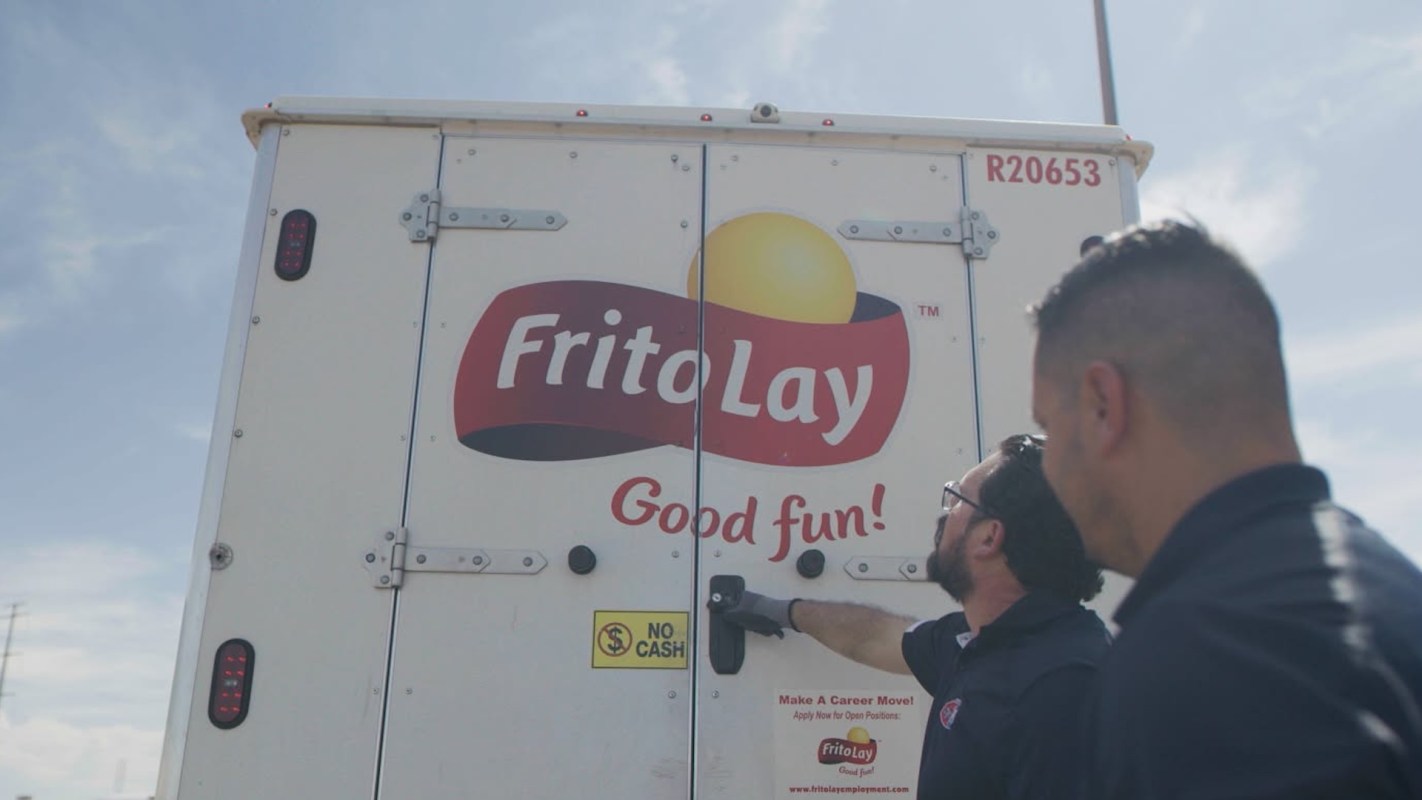
Canary Media reported that Frito-Lay has never banned potatoes from growing on land that once held solar panels.
Amid growing fights in several states over putting solar projects on agricultural land, however, a viral political video is trying to make Frito-Lay seem like a bad taste in environmentalists' mouths.
What happened?
As Canary Media noted, the current wave of confusion appears to trace back to a Facebook video from Michigan Republican state Rep. Cam Cavitt, which drew more than 1 million views.
In that video, fellow Michigan Republican Rep. Dave Prestin says, "Any field that had solar panels installed on it will never be allowed to grow potatoes for human consumption due to the leaching."
PepsiCo, Frito-Lay's parent company, told Canary Media that it "has not issued blanket guidance to growers that fields with solar installations will not be accepted."
Pennsylvania Republican Sen. Cris Dush later echoed the message, writing, "When Frito Lay refuses to accept potatoes from farms that had solar arrays we should all sit up and take notice!"
Experts cited by Canary Media, said published research has not shown solar farms make fields unfit for potatoes. They also pointed to agrivoltaics studies indicating that some crops, including potatoes, may do well in the shadier, more moisture-retaining conditions around solar panels.
Why does it matter?
Scott Laeser, a senior working lands adviser at the Rural Climate Partnership, warned Canary Media, "Raising these claims about solar could prevent farmers from diversifying their income stream and adding a really stable source of income to their operation."
Save $10,000 on solar panels without even sharing your phone number Want to go solar but not sure who to trust? EnergySage has your back with free and transparent quotes from fully vetted providers that can help you save as much as $10k on installation. To get started, just answer a few questions about your home — no phone number required. Within a day or two, EnergySage will email you the best local options for your needs, and their expert advisers can help you compare quotes and pick a winner. |

The issue remains politically charged, even though an American Farmland Trust estimate cited by the outlet suggests solar would occupy less than 1% of Lower 48 farmland by 2040.
Steven Loheide, a University of Wisconsin-Madison professor of civil and environmental engineering, assessed the situation to Canary Media.
"There's a huge opportunity to get both agricultural benefits and energy production off a single plot of land," he relayed to the outlet.
Going solar isn't a great way for farmers to earn passive income and for homeowners to use clean energy. EnergySage's free tools can make the process easier for you by providing quick solar installation estimates so you can find the best quotes on the system for you.
More From EnergySage
💡Go deep on the latest news and trends shaping the residential solar landscape


What are people saying?
Alan Knapp, a plant ecologist at Colorado State University, told Canary Media, "I've never heard of any sort of toxicity issues or any concerns about the quality of the crop being consumed by humans being impacted by the installation of solar panels above."
Notably, some agricultural industry figures who have voiced worries about solar still said the specific claim is unproven.
At a committee hearing, Dennis Iott, chair of Potato Growers of Michigan, refuted the notion, per Canary Media.
"The food safety issue hasn't been seen yet, because we haven't taken those solar fields out," he said, the outlet reported.
What can I do?
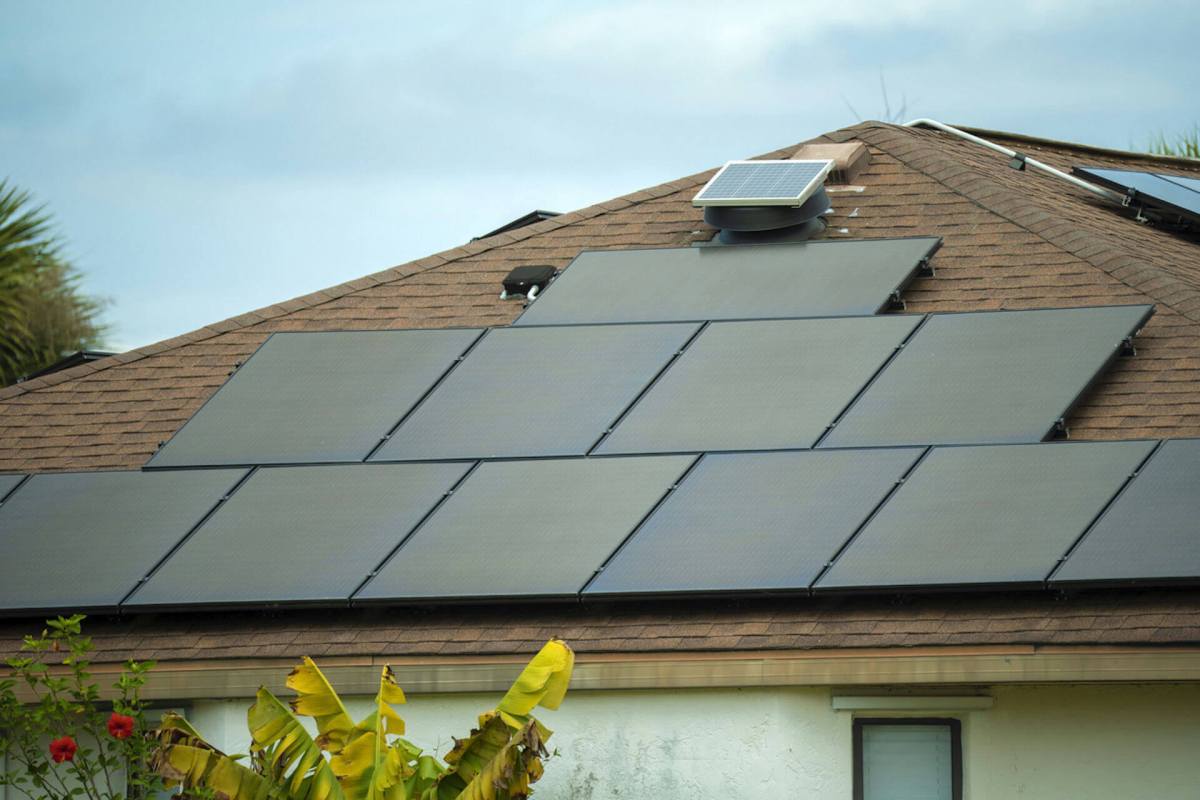
Rooftop solar doesn't have to navigate these issues, and EnergySage's free services can help you save up to $10,000 on solar purchases and installations. That is through accessing all the information and offers you need to land the best deal.
Part of that is EnergySage's mapping tool that identifies the average cost of home solar in your state as well as all available incentives and savings.
One more way to optimize a solar setup is through adding battery storage. EnergySage's free tools including competitive installation estimates can hook you up with a system that will protect your home during outages, help you save on energy, and go off grid.

Get TCD's free newsletters for easy tips, smart advice, and a chance to earn $5,000 toward home upgrades. To see more stories like this one, change your Google preferences here.






