


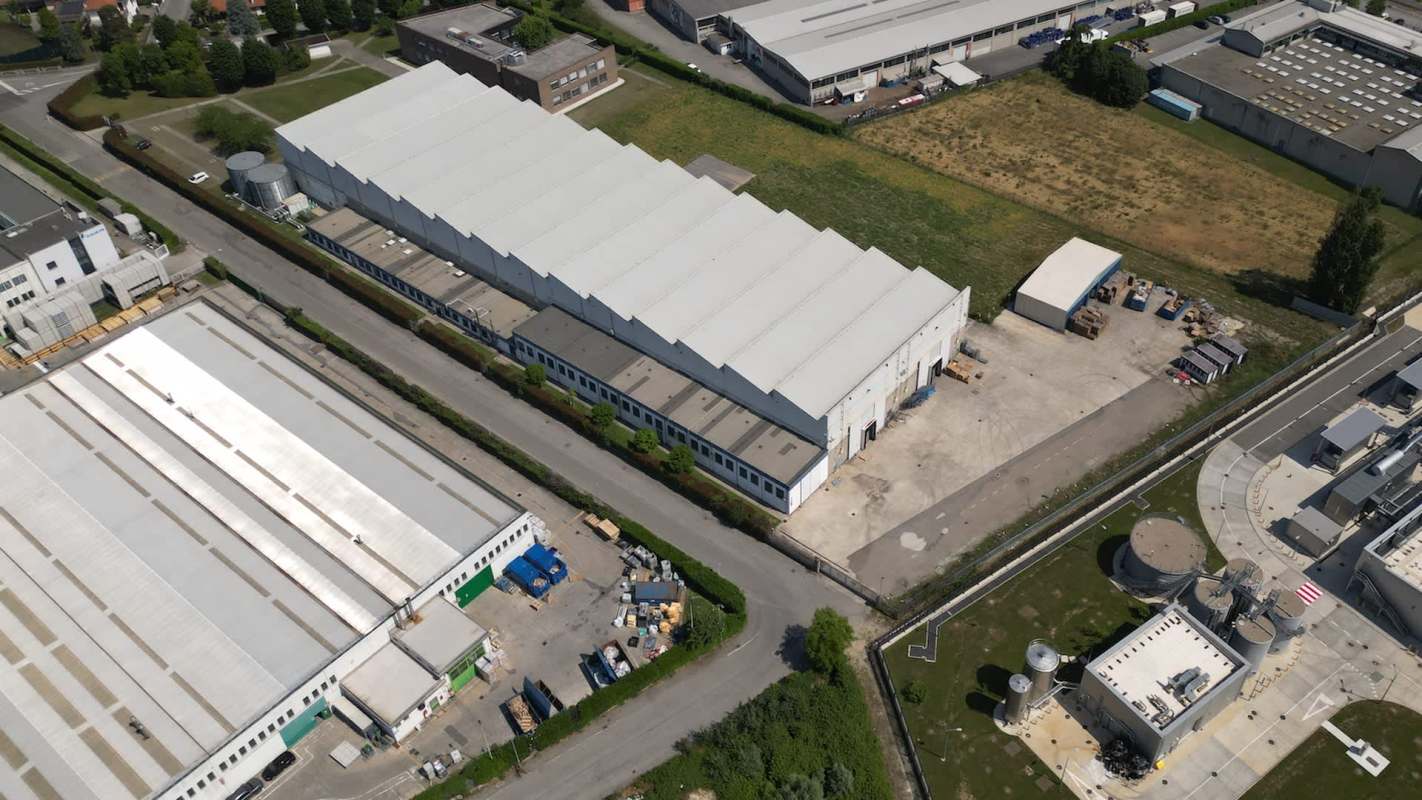
Concern over what data centers could mean for electricity demand, water supplies, pollution, and taxpayer incentives is leading Colorado communities to reconsider how quickly those projects should grow.
What happened?
According to the Colorado Sun, Denver, Jefferson County, and Longmont have each recently taken steps to slow new data center proposals or to keep additional ones from moving forward for now.
Longmont imposed a 100-megawatt ceiling on new applications to discourage giant "hyperscale" projects, Denver approved a one-year pause on additional data center permits, and Jefferson County stopped new zoning or development approvals for projects that were not already underway.
Those local moves followed the 2026 legislative session, during which Colorado lawmakers failed to adopt statewide rules for data centers.
One proposal would have provided tax incentives to attract developers, while another would have required new facilities to use renewable energy and aimed to shield customers from higher electricity costs. Both bills failed after heavy lobbying.
In Denver, the sharpest dispute has focused on CoreSite's three-phase development in the Globeville-Elyria-Swansea neighborhood.
TCD Picks » Quince Spotlight
💡These best-sellers from Quince deliver affordable, sustainable luxury for all




Its first phase currently uses about 18 megawatts, and the completed project is expected to draw 65 to 75 megawatts from Xcel Energy's grid, according to the Sun.
Why does it matter?
As artificial intelligence expands, data centers are drawing more attention because the computing needed to run AI models requires large amounts of electricity and cooling.
AI can also offer meaningful benefits, such as helping utilities predict demand, improve grid efficiency, and better manage clean energy systems.
Opponents are worried about a range of effects, including higher electricity and water consumption, possible increases in utility rates, and pollution from power plants that run on non-renewable energy sources like gas, oil, and coal.
Environmental groups say Colorado's local moratoriums also point to a broader lack of state oversight.
Howard Geller, founder of the nonprofit Southwest Energy Efficiency Project, warned, "Data centers should not get a free pass."
In New Mexico, Oracle's proposed Project Jupiter would generate 2,500 megawatts of power for a self-contained site and could emit 10 million tons of carbon dioxide annually. Colin Cox of the Center for Biological Diversity described it bluntly: "It's stupidly massive."
Utah is also weighing an enormous gas-powered data center tied to Kevin O'Leary.
Because Colorado's clean-energy rules mainly apply to regulated utilities, critics worry that an off-grid project could still move forward.
Geller said, "There's a growing need for all this computing power, and they need it yesterday."
What are people saying?
Industry representatives say the moratoriums send the wrong signal.
Dan Diorio, vice president of state policy for the Data Center Coalition, said, "Enacting local moratoriums on data center development would send a signal that the area is closed for business."
Consumer and environmental advocates, however, are pushing for stronger guardrails.
Perry Wheeler, a spokesperson for Earthjustice, said, "This intervention being granted will ensure that residential ratepayers will have a seat at the table in a proceeding that could impact what this does to their utility bills."

Get TCD's free newsletters for easy tips, smart advice, and a chance to earn $5,000 toward home upgrades. To see more stories like this one, change your Google preferences here.






