


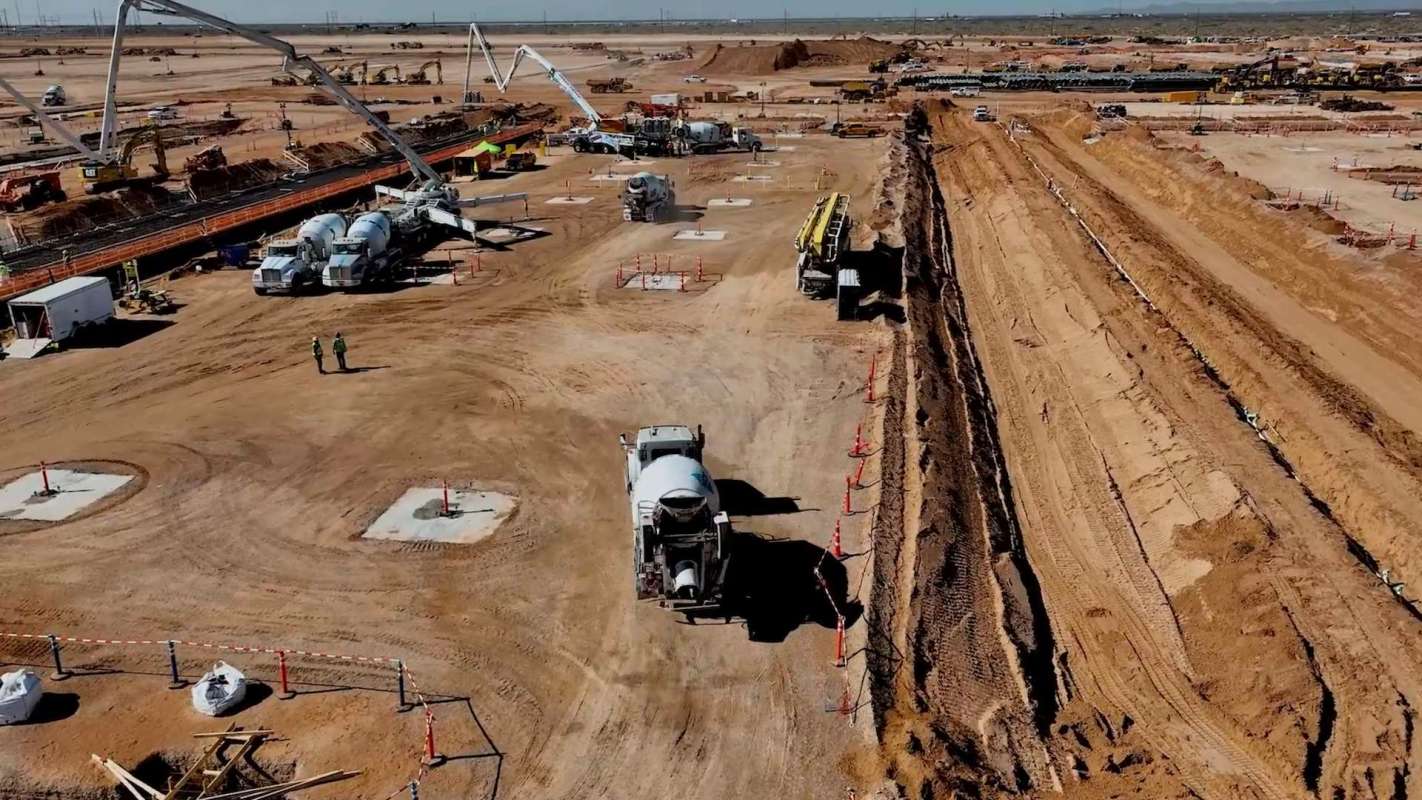
Hopes of an economic windfall from a giant artificial intelligence data center in southern New Mexico are now colliding with a tougher question from nearby communities.
In a desert already dealing with drought, residents want to know how the project will be supplied with water.
What's happening?
Near the Texas border in Doña Ana County, New Mexico, a 1,400-acre development known as "Project Jupiter" is taking shape.
NPR News describes the Oracle- and OpenAI-linked site as one of the largest data centers in the country, and a full buildout could amount to as much as $165 billion in investment. Last year, county officials cleared the project using industrial revenue bonds, a tax-incentive mechanism often used to bring in large developments.
Supporters of Project Jupiter have pointed to corporate projections that include the creation of several hundred new jobs, $360 million for schools and infrastructure, $50 million for the local water utility, and $12 million a year in county revenue.
Yet, these pledges to the community are made instead of the tech giants paying property taxes, which would amount to billions of dollars.
TCD Picks » Quince Spotlight
💡These best-sellers from Quince deliver affordable, sustainable luxury for all




For many residents and lawmakers, these projected benefits do not erase the unanswered questions. They say the approval happened too fast, especially given the uncertainty around water use.
Meanwhile, developers say Project Jupiter will use the water rights obtained from a nearby sod farm, and NPR reported that the site's overall consumption would stay below what that farm once used.
Even so, critics remain doubtful, in part because estimates and project details have changed over time.
Why does it matter?
The debate extends beyond one project because water in the region is already scarce. The lower Rio Grande now goes dry for long periods of the year, groundwater is declining, and New Mexico is already being pushed under a new interstate water agreement to retire thousands of acres of irrigated farmland.
Against that backdrop, a huge new industrial user draws scrutiny even if it is working within existing rights. Colin Cox, a Center for Biological Diversity attorney, framed the concern this way: "Will that water even be there" when Jupiter needs it, "or is it just water on paper?"
Project Jupiter also shows how closely AI growth is becoming tied to the electric grid. Data centers consume vast amounts of power and cooling, which can strain grids, raise pollution when fossil fuels are involved, increase utility costs, and create security and societal risks if expansion outruns oversight.
What happens with the project could influence farm income, confidence in drinking-water supplies, public budgets, and whether the promised jobs are enough to justify placing energy-hungry infrastructure in the desert.

Get TCD's free newsletters for easy tips, smart advice, and a chance to earn $5,000 toward home upgrades. To see more stories like this one, change your Google preferences here.






