


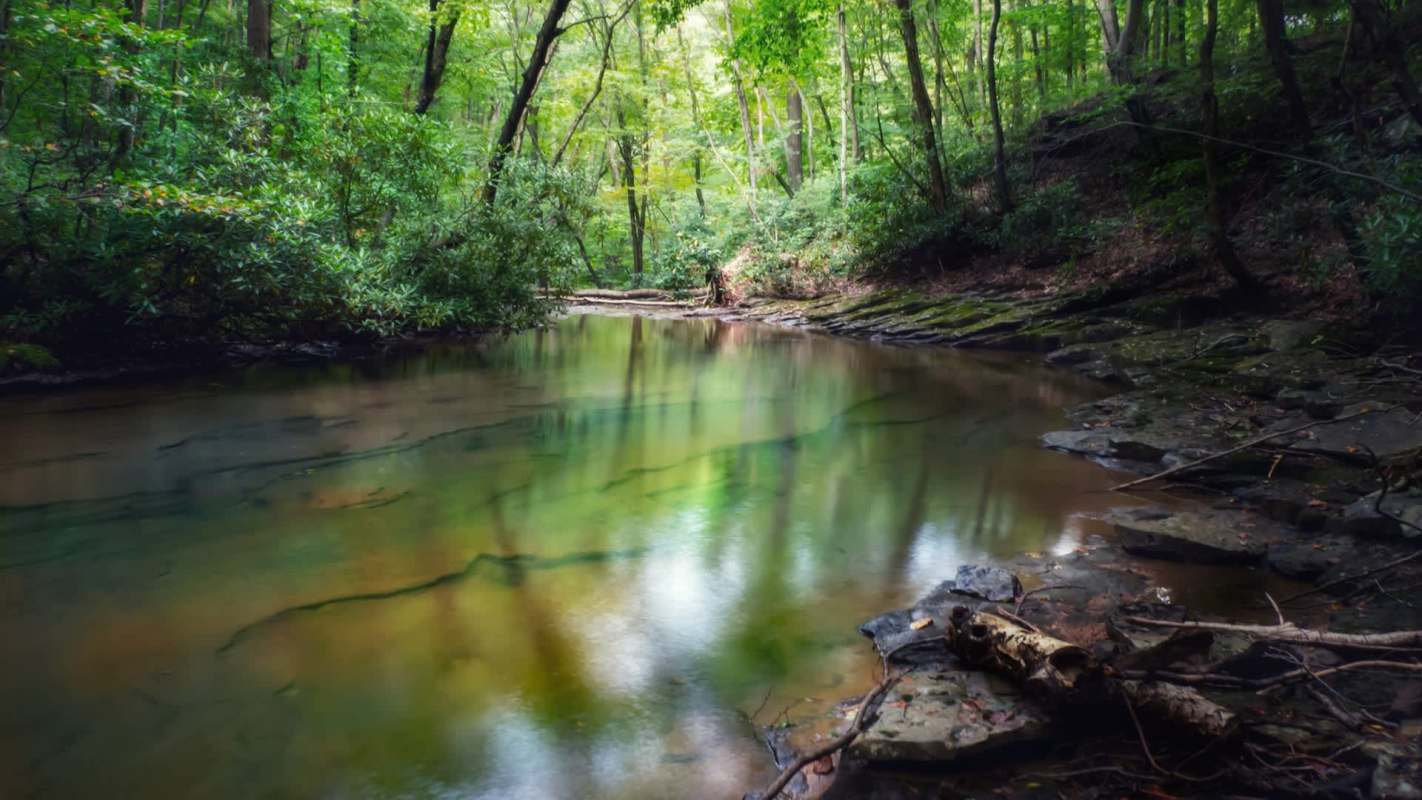
Pennsylvania regulators are weighing whether to allow LCT Energy to release treated minewater into headwater streams connected to a stocked trout waterway in the Laurel Highlands, and the window for public comment is rapidly closing.
The decision could have lasting implications for water quality, wetlands, and nearby communities in a part of western Pennsylvania where coal mining has already raised concerns about stream damage and underground subsidence.
What's happening?
The Pennsylvania Department of Environmental Protection is taking comments through June 30 on a draft discharge permit for LCT Energy's proposed Rustic Ridge II coal mine, 90.5 WESA reported.
The planned 2,300-acre underground mine would produce metallurgical coal for steelmaking in conventional blast furnaces.
If approved, the permit would allow minewater to enter two streams that drain to Jacobs Creek, a trout-stocked waterway in Westmoreland County.
While the minewater would be treated, critics of the proposal say this would not eliminate risk, noting that wastewater can still carry pollutants, including iron, manganese, and aluminum. Additionally, other waterways would need to be destroyed to complete the project.
TCD Picks » Quince Spotlight
💡These best-sellers from Quince deliver affordable, sustainable luxury for all




"They would need to bury or permanently destroy over 1,700 feet of headwaters of Jacobs Creek and they would also need to fill in just over a half an acre of wetland," said Stacey Magda, with the nonprofit Mountain Watershed Association, per 90.5 WESA.
Why does it matter?
Headwater streams and wetlands help filter pollution, absorb runoff, support aquatic life, and keep downstream waters cooler and healthier.
Magda told 90.5 WESA that heat is another concern because the discharged mine water could be warmer than the receiving streams, which the state has earmarked as coldwater fisheries.
LCT Energy's nearby Rustic Ridge #1 mine has also contributed to fears about the new project because its room-and-pillar mining method did not fully prevent subsidence in some locations.
According to 90.5 WESA, several homes above that mine reportedly sustained structural damage consistent with underground sinking. Ultimately, LCT Energy acknowledged the problem and purchased some of those properties.
More broadly, fossil fuel projects can affect communities long after permits are approved.
Coal and natural gas power plants release air and water pollution linked to asthma, heart disease, cancer, and premature death. They can also contribute to higher energy bills, with industry lobbying slowing the adoption of cleaner, cheaper energy solutions.
What's being done?
Residents, watershed groups, and other stakeholders have until June 30 to submit comments to the DEP before the agency makes a final call on the discharge permit.
The draft permit includes mitigation measures, including treating minewater in settling ponds before discharge. Supporters of these systems generally argue that they can lower acidity and reduce pollution. Critics, however, say that "treated" does not always mean harmless, particularly when waterways are small, ecologically sensitive, or already under strain.
Public participation can help shape permit conditions, monitoring requirements, and enforcement expectations if the project moves forward.

Get TCD's free newsletters for easy tips, smart advice, and a chance to earn $5,000 toward home upgrades. To see more stories like this one, change your Google preferences here.







